Shivratri 2026: Date, Fasting Rules & Puja Vidhi for Mahashivratri
5 min read
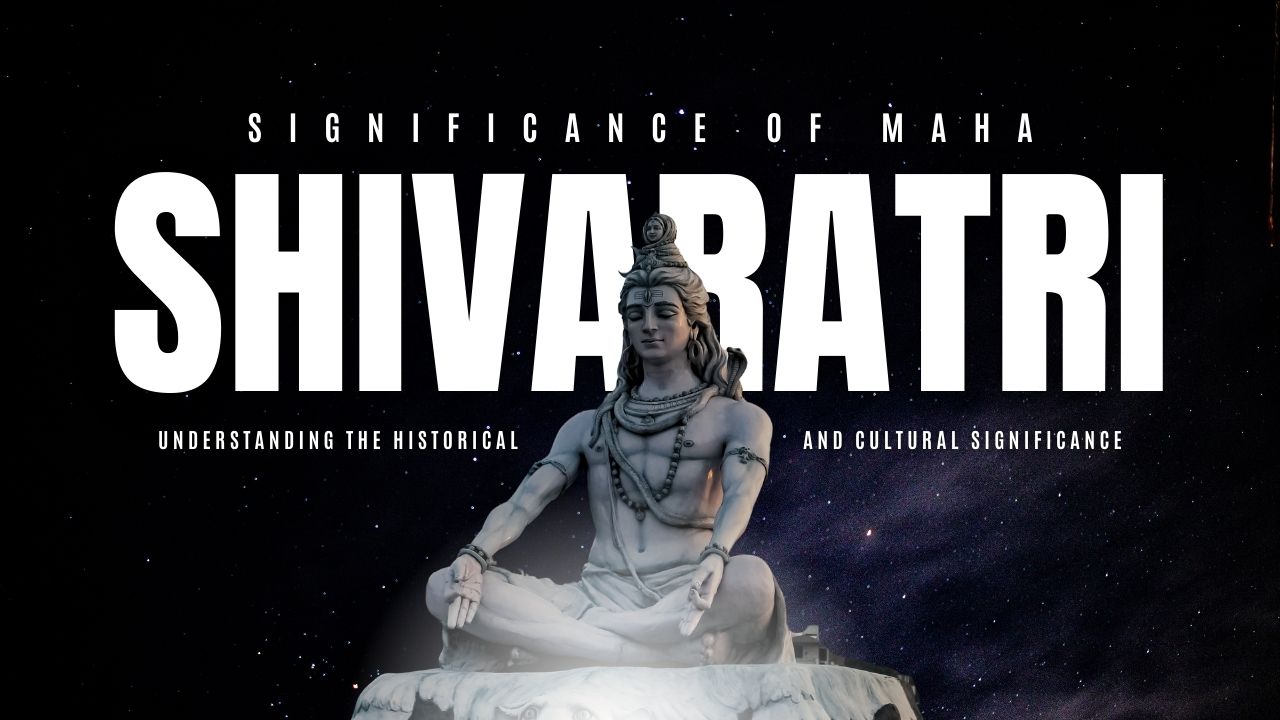
Mahashivratri is one of the most sacred Hindu festivals, celebrated by devotees of Lord Shiva across India and around the world. Known as the “Great Night of Shiva,” this auspicious occasion is observed with fasting, night-long prayers, mantra chanting, and special temple rituals. Devotees stay awake through the night to seek Lord Shiva’s divine blessings for peace, prosperity, and spiritual growth.
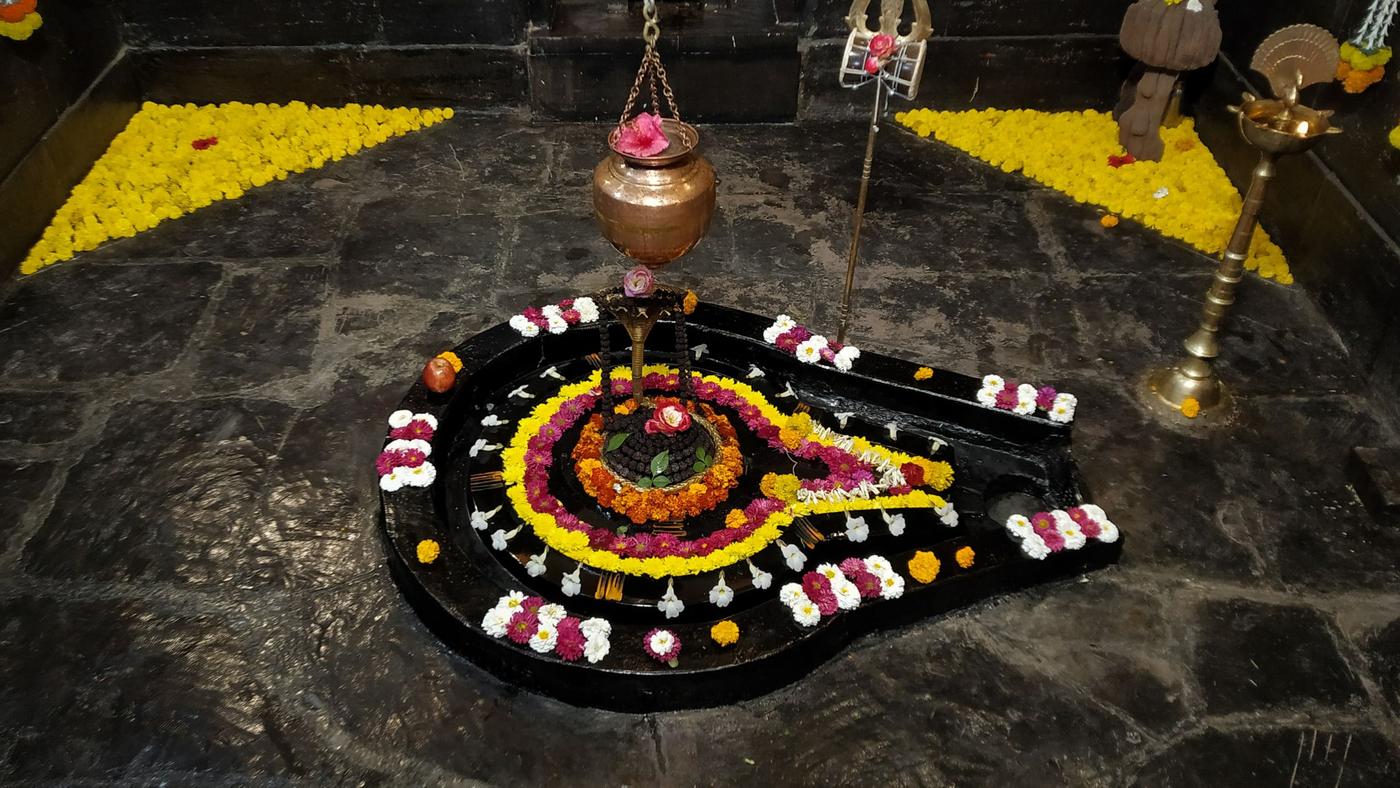
According to Hindu mythology, Mahashivratri marks the divine marriage of Lord Shiva and Goddess Parvati. It is believed that worshipping Lord Shiva with a pure heart on this powerful night removes negativity, fulfills wishes, and brings inner strength. Temples witness large gatherings of devotees, with the air filled with the chanting of “Om Namah Shivaya.” Offerings such as milk, water, honey, Bael (Bilva) leaves, fruits like Ber, and flowers are poured over the Shiva Lingam as part of the sacred rituals.
In 2026, Mahashivratri will be celebrated on Sunday, February 15. Spiritually, this night is considered highly energetic. It is believed that the planetary alignment on Mahashivratri enhances spiritual awareness and meditation practices. Many devotees sit in silence, chant Shiva mantras, or perform Rudrabhishek to elevate their consciousness. The atmosphere on this night is filled with devotion, positivity, and a deep sense of spiritual connection.
Your Key to Effortless Travel
Meet Travelfika
Planning a trip should be exciting, not exhausting—and that's where Travelfika comes in! With our smart AI-powered tools, insider tips, and seamless planning features, we make travel easier than ever.
Whether you're crafting the perfect itinerary, discovering hidden spots, or getting real-time recommendations, Travelfika has your back. No more endless research or last-minute stress—just smooth, effortless travel planning tailored to you. So go ahead, dream big, explore more, and let Travelfika handle Read More
Planning a trip should be exciting, not exhausting—and that's where Travelfika comes in! With our smart AI-powered tools, insider tips, and seamless planning features, we make travel easier than ever.
Whether you're crafting the perfect itinerary, discovering hidden spots, or getting real-time recommendations, Travelfika has your back. No more endless research—just smooth, effortless travel planning tailored to you.Read More
Planning a trip should be exciting, not exhausting—and that's where Travelfika comes in! With our smart AI-powered tools, insider tips, and seamless planning features, we make travel easier than ever.
Whether you're crafting the perfect itinerary, discovering hidden spots, or getting real-time recommendations, Travelfika has your back.Read More
Planning a trip should be exciting, not exhausting—and that's where Travelfika comes in! With our smart AI-powered tools, insider tips, and seamless planning features, we make travel easier than ever. Read More
Planning a trip should be exciting, not exhausting— and that's where Travelfika comes in! With our smart AI-powered tools, insider tips, and seamless planning features. Read More
Mahashivratri 2026 Date & Auspicious Timings
In 2026, Mahashivratri will be observed on Sunday, 15 February 2026, according to the Hindu lunar calendar. It falls on Krishna Paksha Chaturdashi in the month of Phalguna, the sacred night dedicated to Lord Shiva and celebrated with fasting, rituals, and night-long worship. The Chaturdashi Tithi begins on 15 February at about 5:04 PM and ends on 16 February at about 5:34 PM.
Auspicious Ritual Timings (2026)
Devotees observe Mahashivratri with puja and meditation throughout the night. The key muhurats for worship are:
• First Prahar Puja: 15 February 2026 06:11 PM to 09:23 PM
• Second Prahar Puja: 15 February 09:23 PM to 16 February 12:35 AM
• Third Prahar Puja: 16 February 12:35 AM to 03:47 AM
• Fourth Prahar Puja: 16 February 03:47 AM to 06:59 AM
• Nishita Kaal Puja (Midnight): 16 February 12:09 AM to 01:01 AM
• Shivaratri Parana (Breaking Fast): 16 February 06:59 AM to 03:24 PM
The Nishita Kaal — the midnight period- is considered especially auspicious, as it is believed that Lord Shiva blesses devotees most during this time. Many observe the ritual of chaturprahar puja — worship divided into four segments through the night, and stay awake, chant mantras, or perform rudrabhishek to seek spiritual merit and the blessings of Shiva.
Significance of Mahashivratri 2026
Mahashivratri 2026 is a sacred occasion dedicated to self-discipline, devotion, and spiritual awakening. Devotees observe fasts, remain awake throughout the night, and chant the powerful mantra “Om Namah Shivaya,” which is believed to cleanse past sins and bring peace, prosperity, and ultimately liberation (moksha). The festival represents inner purification and surrender to divine consciousness.
According to Hindu beliefs, Mahashivratri marks the divine union of Lord Shiva and Goddess Parvati. This union symbolizes the balance of Shiva (consciousness) and Shakti (energy), representing harmony in the universe. Devotees celebrate this sacred bond as a reminder of balance between strength and compassion, destruction and creation.
Another widely known belief is that Lord Shiva performed the cosmic dance known as Tandava on this night. The Tandava symbolizes the eternal cycle of creation, preservation, and destruction. It reminds devotees that while life constantly changes, the soul remains eternal. Observing a fast on Mahashivratri is believed to purify both the body and mind. Many devotees avoid grains and consume simple sattvic foods such as fruits, milk, and nuts.
Mahashivratri 2026 Rituals & Worship Guidelines
On Mahashivratri 2026, devotees begin the day by cleaning their homes and taking a ritual bath early in the morning. Many also visit temples or bathe in holy rivers as a symbol of purification before beginning the worship of Lord Shiva.
The Maha Shivaratri Puja includes several sacred rituals, each carrying deep spiritual meaning:
Bathing the Shiva Lingam with milk and water, along with offering Bael (Bilva) leaves, symbolizes purification of the soul and devotion to Lord Shiva.
Applying vermilion (sindoor) after the ritual bath represents spiritual awakening and divine blessings.
Offering fruits during the puja symbolizes longevity, good health, and fulfillment of desires.
Betel leaves are offered as a sign of satisfaction and gratitude for worldly blessings.
Burning incense sticks signifies prosperity and the removal of negative energies.
Lighting a lamp (diya) represents knowledge, wisdom, and the removal of darkness from life.
Chanting “Om Namah Shivaya” throughout the night is considered one of the most powerful ways to seek Lord Shiva’s blessings. Many devotees also perform Rudrabhishek, a sacred Vedic ritual believed to bring health, peace, and spiritual growth. Panchamrit — a mixture of milk, curd, ghee, honey, and sugar — is used during abhishek to honor Lord Shiva and symbolize purity and nourishment.
Fasting Rules & Benefits of Mahashivratri 2026
The Mahashivratri fast in 2026 will be observed on Sunday, February 15, beginning at sunrise and continuing through the night until the following morning after the fourth prahar. Devotees break their fast during the prescribed Parana time on February 16, 2026.
During the fast, devotees avoid Tamsic foods such as alcohol, non-vegetarian food, onion, garlic, and processed items. The purpose of fasting is not only physical discipline but also spiritual purification and mental clarity.
There are two main types of Mahashivratri fast:
Nirjala Fast
In this strict form of fasting, devotees abstain from both food and water for the entire day and night. It is considered the most disciplined and spiritually intense form of vrat, observed by those seeking deep devotion and spiritual merit.
Phalahar Fast
In this milder form, devotees consume fruits, milk, nuts, and light fasting foods such as sabudana khichdi, kuttu puri, kheer, and makhana. This allows devotees to maintain energy while continuing prayers and rituals.
Spiritual and Health Benefits of Fasting
Fasting on Mahashivratri is believed to remove negative energies and bring inner peace. Devotees remain focused on chanting, meditation, and self-reflection, strengthening their connection with Lord Shiva. From a health perspective, fasting may help detoxify the body, improve digestion, and enhance mental clarity when done mindfully.
Dos and Don’ts of Mahashivratri 2026
Things You Should Do on Mahashivratri
✔ Wake up early and take a ritual bath before beginning the fast.
✔ Visit a Shiva temple and offer milk, water, honey, and Bael (Bilva) leaves to the Shiva Lingam.
✔ Chant “Om Namah Shivaya” and meditate to seek Lord Shiva’s blessings.
✔ Follow a Saatvik (pure vegetarian) diet if observing Phalahar fast.
✔ Stay awake during the night and participate in prahar-wise puja or mantra chanting.
Things You Should Avoid on Mahashivratri
❌ Avoid consuming non-vegetarian food, onion, and garlic.
❌ Do not consume alcohol, tobacco, or intoxicants.
❌ Avoid negative thoughts, anger, arguments, or harsh speech.
❌ Do not break the fast abruptly; end it mindfully with light Saatvik food during Parana time.
❌ Avoid offering items not traditionally used in Shiva worship, such as tulsi leaves or coconut water.
8 Best Indian Places to Visit During MahaShivratri 2026
Mahashivratri is a wonderful time to explore India's rich spiritual heritage. Whether it's visiting ancient temples, attending vibrant festivals, or experiencing sacred rituals, there's so much to discover.
Check out Things to Do in India and plan your next spiritual adventure with Travelfika!
1. Isha Foundation Adiyogi, Tamil Nadu
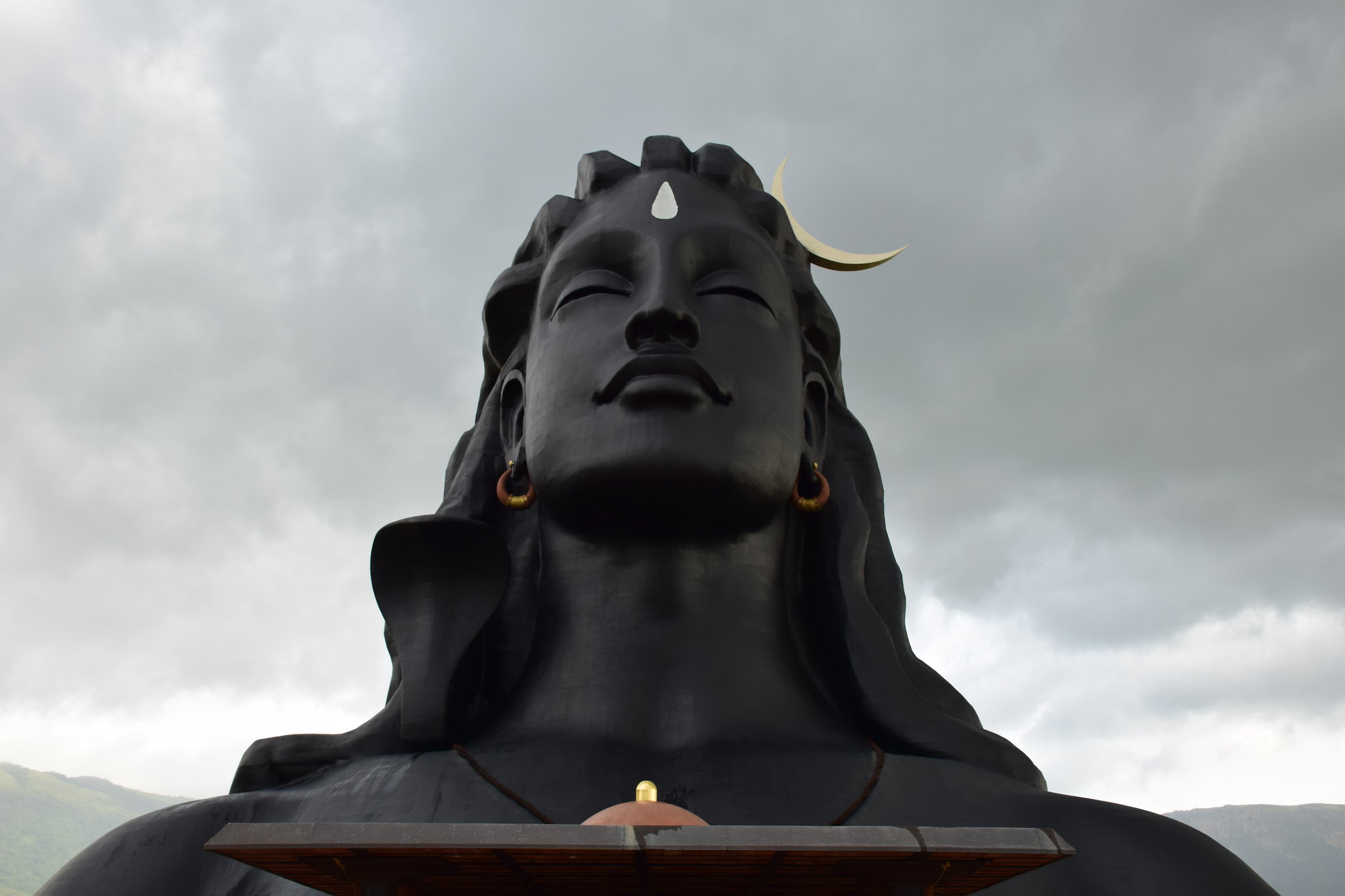
The Isha Foundation in Tamil Nadu is home to the huge 112-feet-tall Adiyogi Shiva statue which is the world's largest statue of Lord Shiva. It represents Shiva as the first yogi (Adiyogi) and teaches yoga and meditation. During Maha Shivratri 2026, thousands of people will gather here for all-night meditation, dance, and music. The main attraction is the powerful spiritual energy of this place, by Sadhguru. Get to know more about celebrating Shivaratri at Isha Yoga Foundation, Coimbatore.
2. Kashi Vishwanath Temple, Varanasi
It is one of the most important temples of Lord Shiva. During Maha Shivratri, special prayers like Shiva Abhishek and Rudrabhishek take place. The famous Ganga Aarti at Dashashwamedh Ghat is a beautiful sight. Devotees from all over India visit this temple to seek blessings and wash away their sins in the holy River Ganga.
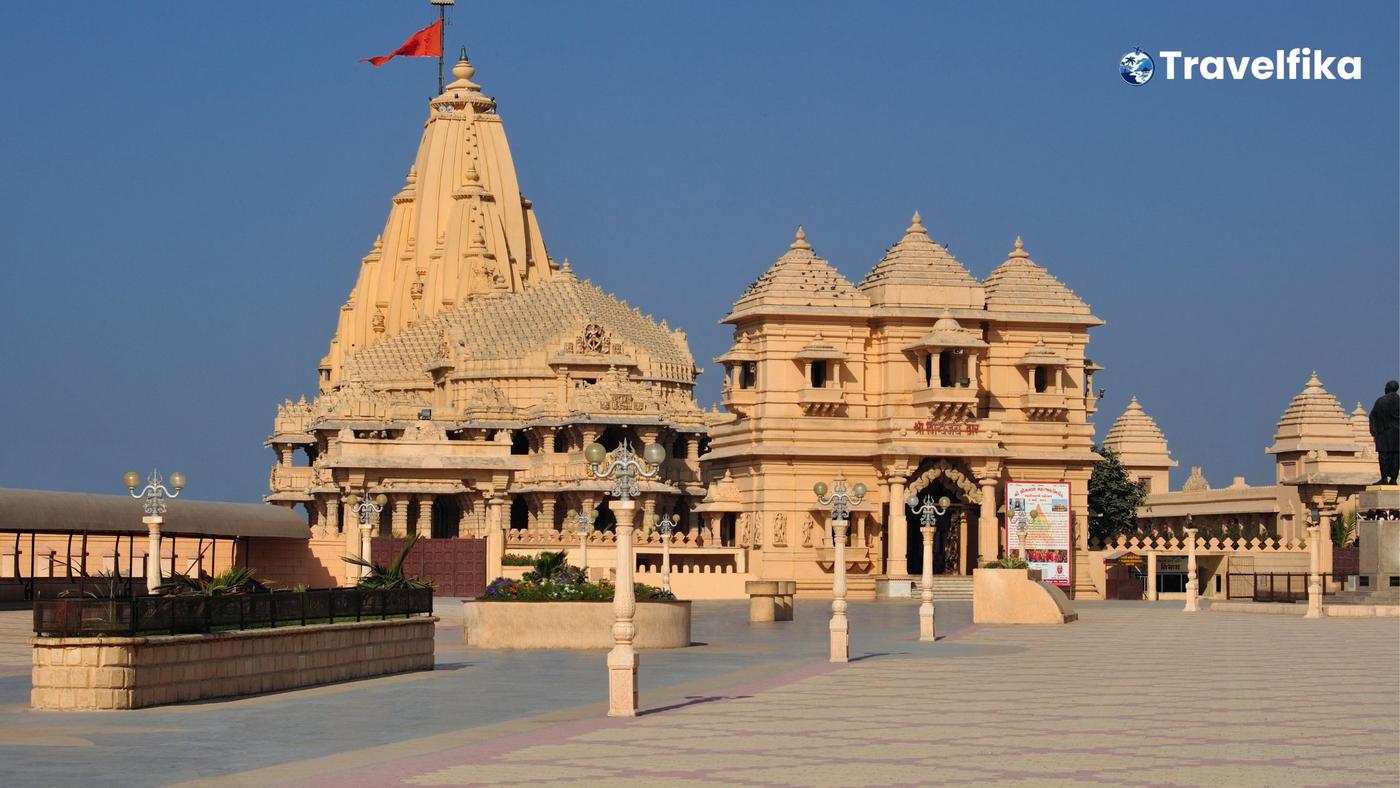
3. Somnath Temple, Gujarat
The temple is very special because it is the first Jyotirlinga of Lord Shiva. On Maha Shivratri, the temple is beautifully decorated, and thousands of people come to pray. Special rituals like Maha Rudrabhishek (holy bath of Shiva) and bhajans (devotional songs) take place. The temple is in Prabhas Patan, and its grand Shivratri celebrations are the main attraction.
4. Lingaraj Temple, Bhubaneswar
This is a famous and beautiful temple with amazing old carvings. It is very important for Lord Shiva's worship. On Maha Shivratri, people pray all night, and the temple glows with Deepa Darshan (lamp lighting), and the night puja is the main attraction here.
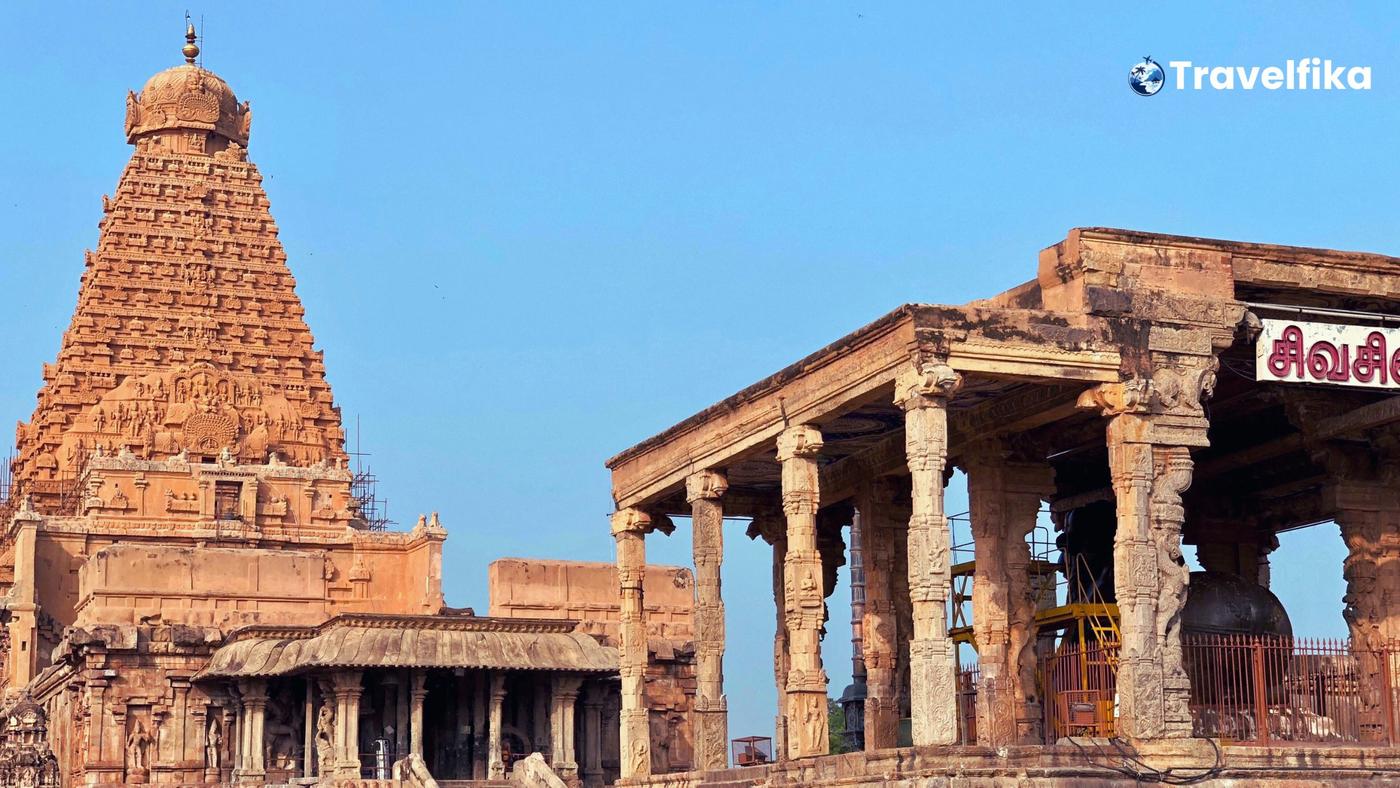
5. Brihadeeswarar Temple, Tamil Nadu
A very old and famous temple situated in Thanjavur, Tamil Nadu. It is a UNESCO World Heritage site and an important place for Lord Shiva’s worship. On Maha Shivratri, people pray, and there are beautiful classical dance performances. The main attraction is the grand puja and amazing dance show.
6. Pashupatinath Temple, Nepal
The temple attracts people from many countries on the night of Maha Shivratri. There are big celebrations with prayers, Kirtans (devotional songs), and special rituals by sadhus. The main attraction is the grand worship of Lord Shiva and the gathering of many holy saints.
7. Mahakaleshwar Temple, Ujjain
This is a very special temple of Lord Shiva. It has the Mahakaleshwar Jyotirlinga, which is very sacred. The famous Bhasma Aarti is done early in the morning with sacred ash. During Maha Shivratri, grand celebrations take place, and midnight prayers.
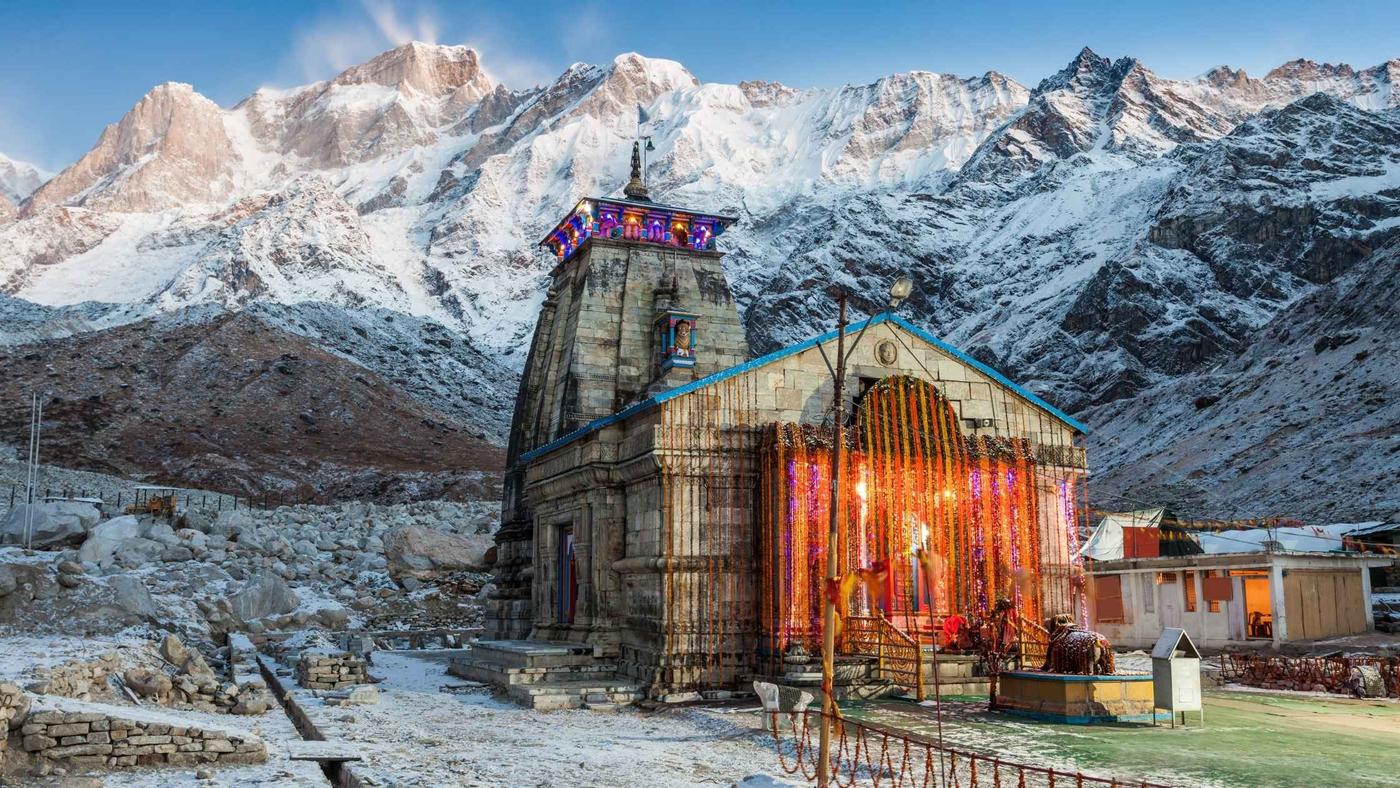
8. Kedarnath Temple, Uttarakhand
It is a holy place for Lord Shiva’s worship. In winter, the temple is closed due to heavy snowfall, and prayers are offered at Ukhimath. The temple is surrounded by beautiful snow-covered mountains, making it very peaceful.
1. When is Mahashivratri in 2026 — February 15 or 16?
Mahashivratri in 2026 will be observed on Sunday, February 15. The Chaturdashi Tithi begins on February 15 and continues into February 16, which is why both dates may appear in calendars. However, the main fasting and night-long worship will be observed on February 15.
2. What is the Nishita Kaal Puja time for Mahashivratri 2026?
Nishita Kaal, the most auspicious midnight period for Shiva Puja, falls during the late-night hours of February 15–16, 2026. This is considered the most powerful time to perform Shiva worship, meditation, and mantra chanting.
3. Is it necessary to stay awake all night on Mahashivratri?
Staying awake all night (Jagaran) is not compulsory, but it is highly recommended in Hindu tradition. Devotees believe that night-long chanting and meditation increase spiritual energy and bring divine blessings.
4. Why is Mahashivratri celebrated at night?
Mahashivratri is observed at night because it is believed to be the time when Lord Shiva performs the cosmic dance (Tandava) and blesses devotees during Nishita Kaal. The night symbolizes inner awakening and spiritual transformation.
5. Why are Bael (Bilva) leaves offered to Lord Shiva?
Bael leaves are considered sacred and cooling in nature. Offering Bilva Patra symbolizes purity, surrender, and devotion. It is believed that offering Bael leaves pleases Lord Shiva and removes negative karma.
6. Can we drink tea or coffee during Mahashivratri fast?
In a strict Nirjala fast, tea and coffee are avoided. However, devotees observing a Phalahar fast may consume tea, milk, or light beverages. Ideally, fruits, milk, and sattvic foods are recommended.
7. What should not be offered to Lord Shiva on Mahashivratri?
Tulsi leaves, coconut water, and turmeric are generally not offered to Lord Shiva. Devotees should offer water, milk, honey, Bael leaves, fruits, and Panchamrit during Shiva Puja.
8. What are the benefits of fasting on Mahashivratri?
Fasting on Mahashivratri is believed to purify the body and mind, remove negative energy, and bring peace and spiritual growth. Devotees believe it helps in attaining blessings, success, and liberation (moksha).
9. Can Mahashivratri be celebrated without fasting?
Yes, fasting is a traditional practice but not mandatory. Devotees can observe Mahashivratri by chanting “Om Namah Shivaya,” visiting temples, meditating, and performing simple puja at home.
10. What is the significance of Rudrabhishek on Mahashivratri?
Rudrabhishek is a sacred ritual where Vedic mantras are chanted while offering Panchamrit and holy water to the Shiva Lingam. It is believed to remove obstacles, bring prosperity, and ensure health and peace.
Mahashivratri is a sacred and powerful festival that celebrates Lord Shiva and his divine energy. It is a day of fasting, prayer, and devotion, helping devotees cleanse their minds and souls. Worshipping Shiva on this day is believed to remove negativity, bring peace, and fulfill wishes. This festival teaches us the values of patience, devotion, and self-discipline. It is a time to seek blessings, let go of past mistakes, and move towards a positive life.
May Mahashivratri 2026 bring peace, happiness, and spiritual growth to all. Let us celebrate this holy night with love, faith, and devotion in our hearts.