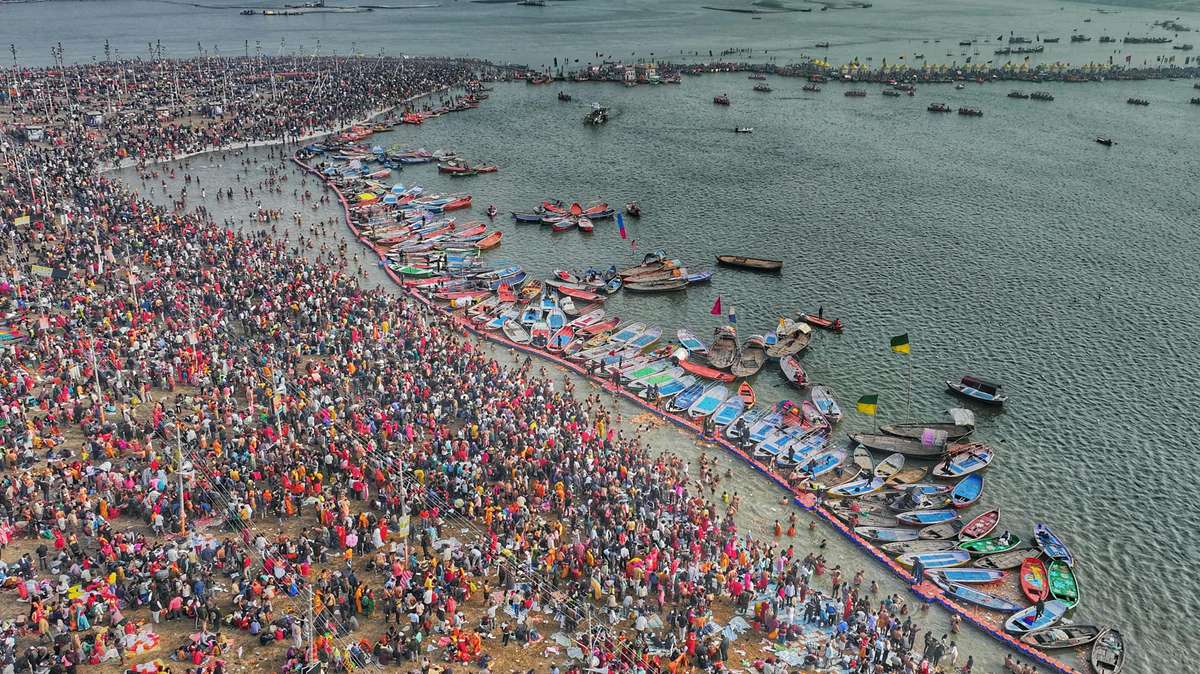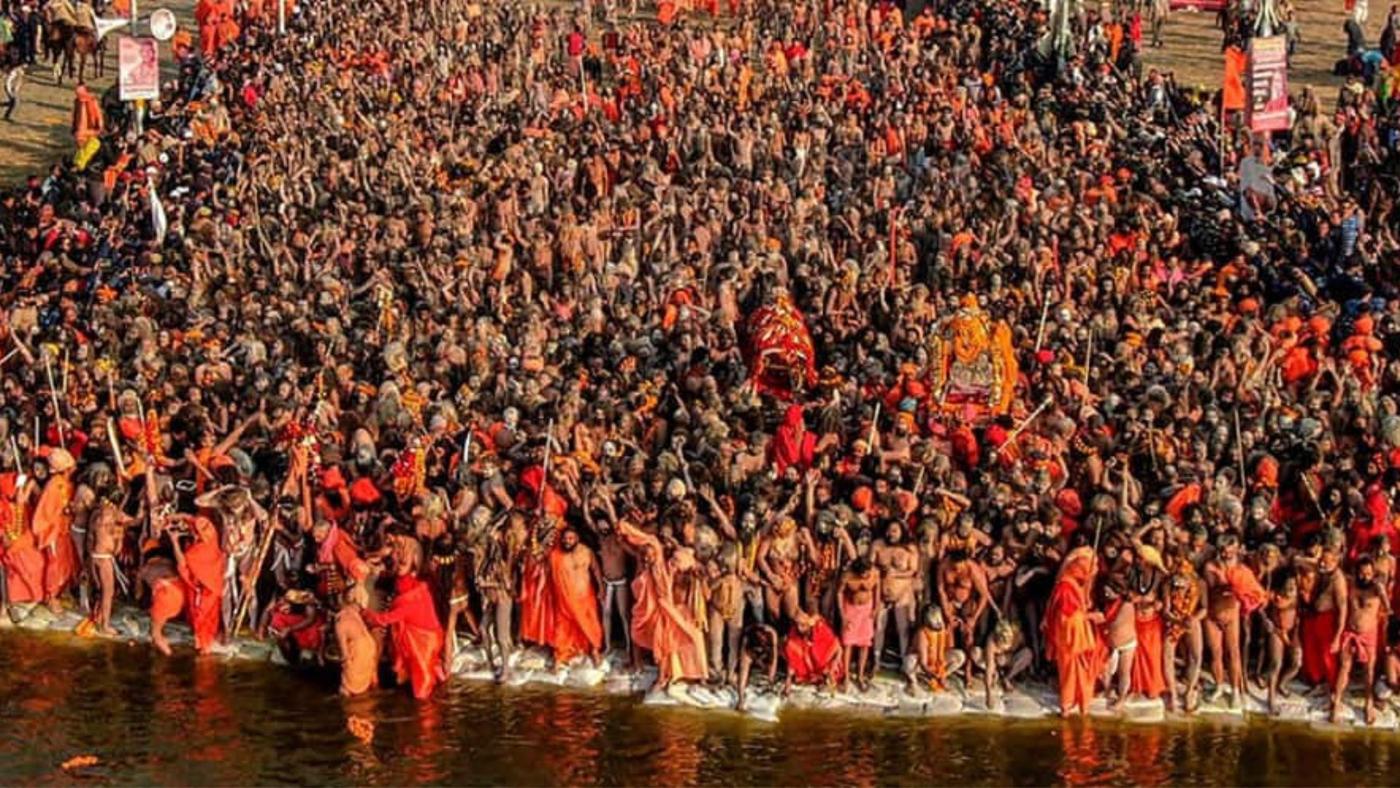
The Maha Kumbh Mela is an integral part of Indian tradition. It is considered the largest peaceful gathering of people. Every 12 years, millions of devotees, sadhus, and tourists around the world converge at the confluence of India's sacred rivers. The whole event is a testament to the human quest for dive and attaining spiritual liberation. The pilgrims immerse themselves in the holy waters of the rivers, Ganga, Yamuna, and Saraswati as it symbolizes the purification of the soul and is believed to be the path of attaining Moksha.
Now that we know what Kumbh Mela is, let’s dig in to learn more about the history and significance behind this grand event, shall we?
Origins of Maha Kumbh Mela
Kumbh Mela is not a recent showcase by the religion but its origin is deeply rooted in Hindu mythology. Have you heard the story about Samudra Manthan or the Churning of the Ocean?
The story goes like this, the devas and asuras (gods and demons) collaborated to churn the ocean in search of the elixir of immortality, known as "Amrita". During the process, a few drops fell at four earthly locations: Allahabad (Prayagraj), Haridwar, Ujjain, and Nashik. These places became sacred sites and the event Kumbh Mela was established to celebrate and respect this amazing cosmic event, in a 12-year cycle; the event takes place in Prayagraj where the three rivers converge.