Why Visit Mauritius: Your Tropical Paradise Awaits
Why Should You Visit Mauritius for a Tropical Paradise?
5 min read
We've done the tropical island circuit more times than our editors would like to admit. Bali, Phuket, the Seychelles, Zanzibar, half of the Caribbean. So when we say why visit Mauritius is a question with a genuinely good answer, we mean it with the full weight of too many airport layovers and too much mediocre coconut water behind us. This is not just another island. It is, frankly, embarrassingly good, and the most annoying part is that it manages to be beautiful and interesting at the same time, which almost no island actually pulls off.
The smell hits you first when you land at Sir Seewoosagur Ramgoolam International. There is this warm, slightly sweet, floral heaviness that is not quite flowers and not quite rain, but is completely unmistakable. By the time the humidity wraps itself around you like a second shirt, you are either going to love this place or spend a week hiding in air conditioning. We loved it. Here is why you probably will too.
The Beaches Are Not Overrated (We Wanted Them to Be)
With 330 kilometers of coastline, Mauritius had a lot of ground to cover and plenty of opportunity to disappoint us. It did not disappoint us. Flic en Flac on the west coast is a long, unhurried stretch of golden sand where the water is so calm it looks painted on. We went in anyway. Belle Mare on the east coast is where we arrived at dawn to catch the sunrise and ended up sitting on the sand for two hours eating things from a paper bag, saying almost nothing to each other, because the light was genuinely too good to interrupt with conversation.
Your Key to Effortless Travel
Meet Travelfika
Planning a trip should be exciting, not exhausting—and that's where Travelfika comes in! With our smart AI-powered tools, insider tips, and seamless planning features, we make travel easier than ever.
Whether you're crafting the perfect itinerary, discovering hidden spots, or getting real-time recommendations, Travelfika has your back. No more endless research or last-minute stress—just smooth, effortless travel planning tailored to you. So go ahead, dream big, explore more, and let Travelfika handle Read More
Planning a trip should be exciting, not exhausting—and that's where Travelfika comes in! With our smart AI-powered tools, insider tips, and seamless planning features, we make travel easier than ever.
Whether you're crafting the perfect itinerary, discovering hidden spots, or getting real-time recommendations, Travelfika has your back. No more endless research—just smooth, effortless travel planning tailored to you.Read More
Planning a trip should be exciting, not exhausting—and that's where Travelfika comes in! With our smart AI-powered tools, insider tips, and seamless planning features, we make travel easier than ever.
Whether you're crafting the perfect itinerary, discovering hidden spots, or getting real-time recommendations, Travelfika has your back.Read More
Planning a trip should be exciting, not exhausting—and that's where Travelfika comes in! With our smart AI-powered tools, insider tips, and seamless planning features, we make travel easier than ever. Read More
Planning a trip should be exciting, not exhausting— and that's where Travelfika comes in! With our smart AI-powered tools, insider tips, and seamless planning features. Read More
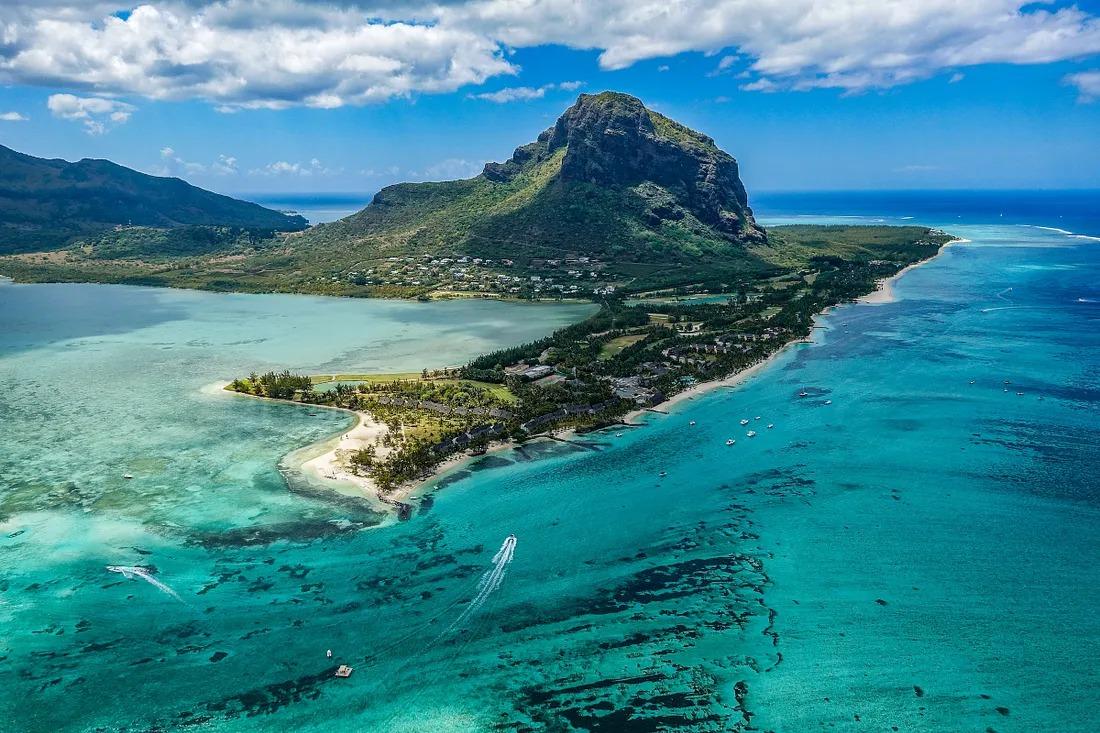
Le Morne Beach in the southwest is the one we argue about most. It is dramatic in the way that makes you feel like you accidentally wandered onto a film set. The hulking shadow of Le Morne Brabant mountain sits behind you, kitesurfers cut across the water in front of you, and the wind makes any attempt at keeping a hat completely pointless. If you know how to kitesurf, this is your beach. If you do not, watching the people who do is entertainment enough. Trou aux Biches up north is quieter, shadier, and so shallow that you can walk out for what feels like half a kilometer and still be waist-deep. Families love it. We loved it too, even though we would never admit that to our more adventurous readers.
Underwater, Everything Gets Quieter and Better
One of us is a certified diver. The rest are enthusiastic snorkelers with varying levels of technique and zero levels of shame. Mauritius accommodated all of us generously. Visibility in the lagoons can stretch to 50 meters on a good day, which means you are not peering through murky green soup hoping to spot a fish. You are watching entire coral gardens unfold below you in full color, from the surface, through water so clear it almost feels like a trick.
Blue Bay Marine Park near Mahebourg is the headline act, and for once, the headline act actually lives up to the billing. Sea turtles, parrotfish, clouds of sergeant majors darting around staghorn coral. We spent three hours there and still felt like we left early. Tamarin Bay on the west coast is where you go for dolphin watching, though we will say plainly what most operators will not: go with someone who keeps a respectful distance and lets the dolphins approach on their own terms. Those operators exist, and the difference in experience is significant.
For those who want the marine experience without putting their face in the water, the undersea walks and semi-submarine tours are surprisingly excellent. Better than they sound. More interesting than they look in the brochure.
Why Visit Mauritius If Not for the Interior Most Tourists Miss
Here is our consistent frustration with how Mauritius gets sold: the marketing leans so hard on the beaches that the interior barely gets a mention, and the interior is spectacular in a completely different way. Black River Gorges National Park covers about two percent of the island's total area and contains the last remaining stretches of native forest. We hiked it on a morning when the mist was still sitting in the valley and the air smelled like wet earth and something green and very much alive. It felt nothing like a beach holiday, in the best possible way.
Chamarel is where things get genuinely strange. The Seven Coloured Earths, a small area of volcanic soil that presents itself in seven distinct shades of red, brown, violet, green, blue, purple, and yellow, should not work as well as it does visually. It sounds like a tourist gimmick. It is not a tourist gimmick. Stand there in the late afternoon light and try not to take seventeen photographs. You will not succeed. Nearby, the Chamarel Waterfall drops over 80 meters into a gorge, and the rum distillery in the village makes a product that one of us described as the best argument for day drinking they had ever encountered. We are inclined to agree.
Trou aux Cerfs in Curepipe is an extinct volcanic crater that most tour itineraries treat as a five-minute stop. Spend longer. The panoramic view of the island on a clear day is the kind of thing that recalibrates your sense of scale. And Tamarind Falls, a series of seven cascading waterfalls tucked into forest that you reach by actual trekking through actual mud, is the reward for travelers willing to do more than point at things from a bus window.
The Culture Is Genuinely One of the Most Interesting Things About This Island
Mauritius was uninhabited until the 16th century. In the centuries since, it has absorbed Dutch, French, British, Indian, Chinese, African, and Malay influences into a culture that is coherent and completely its own, which is rarer than it sounds. Port Louis makes this legible in real time. Walk from the Caudan Waterfront, past colonial-era buildings with cast-iron balconies, through the Central Market where the noise and the smell of spices and the sheer density of people is almost physically overwhelming in the best way, and you end up at Aapravasi Ghat. This UNESCO World Heritage site marks where indentured laborers arrived after the abolition of slavery, and their stories shaped so much of who Mauritians are today. It is not a place you skim past.
Grand Bassin, known locally as Ganga Talao, is a crater lake at altitude, surrounded by temples and enormous statues that are quietly breathtaking even if religion is not your thing. The air up there is cooler, the crowds thinner than you would expect, and the atmosphere carries actual spiritual weight rather than the performative tourism you find at more famous sites. We arrived mid-week to a handful of Hindu pilgrims making offerings, and it was one of the more quietly affecting hours we spent on the island.
The Food Will Ruin You for Ordinary Meals
We had Dholl Puri for the first time at a roadside stall in Quatre Bornes. Fluffy flatbreads stuffed with spiced split yellow peas, topped with chutneys and pickled things the vendor decided you needed, wrapped in paper and handed over for the price of an afterthought. We went back the next morning. And the morning after that. That is the infuriating thing about Mauritian street food: it is both deeply affordable and completely impossible to replicate anywhere else on earth.
Seafood curry made with the morning's catch and simmered in coconut-based gravy will make you quietly furious at every so-called seafood curry you have eaten before. Gateau Piment, fried lentil fritters flecked with chili, are the snack you eat while waiting for actual food and then suddenly realize you have worked your way through a full portion without noticing. And Mauritian rum, produced from fresh sugarcane juice rather than molasses, is smooth and aromatic and dangerously easy to drink at two in the afternoon while sitting on a terrace above the ocean. We are not saying we did that. We are also not saying we did not.
When to Actually Go (And What That Decision Actually Means)
The dry season runs May through October. Temperatures hover in the mid-20s Celsius, the humidity backs off considerably, and the trade winds keep everything comfortable. This is the best time for hiking Black River Gorges without dissolving, and for general sightseeing without feeling like you are being slowly steamed. It is also the busiest period, and the resorts price accordingly.
November through April is warmer, wetter, and occasionally dramatic. Cyclone season technically runs December through March, though direct hits are infrequent. The upside is that marine life is at its most active, the water is at its warmest, and mid-range accommodation is considerably less crowded. The shoulder months of April through June and September through November are where we would personally land every time: pleasant weather, manageable crowds, and pricing that has not peaked.
Life Beyond the Beach, Which Is Not a Consolation Prize
Grand Baie in the north is the nightlife hub. Beach bars that stay lively well past the point where sensible decisions are made, cocktails that taste better with the sound of the ocean underneath them, and an energy that is genuinely fun without tipping into obnoxious. Port Louis Central Market is a sensory assault in the best possible sense: crowded, loud, smelling of turmeric and dried fish and fresh fruit, and full of genuine goods if you are willing to look past the tourist-facing stalls at the front. Caudan Waterfront is where you go when you want to spend money on things that come in nice bags, and there is nothing wrong with that.
Where to Sleep, Because That Also Matters
The north coast around Grand Baie and Pereybere puts you close to the nightlife and the water sports. Ideal if you are traveling younger or simply have a higher tolerance for noise after 10pm. The east coast around Belle Mare is where the major luxury resorts sit, facing calm turquoise water backed by landscaping that requires teams of people to maintain. It is quieter, more polished, and worth it if your budget stretches. The southwest around Le Morne and Tamarin is for people who came to actually do things. Kitesurf, hike, explore. Then collapse somewhere beautiful at the end of it.
Mauritius Earns It. Full Stop.
That is the thing we keep coming back to when someone asks us which island is actually worth the long flight. Mauritius earns its reputation through sheer variety. You can have a genuinely luxurious, do-nothing beach week, or you can hike and eat and dive and learn history and still feel like you have barely scratched the surface. Most islands are beautiful and also a little boring after the third day. Mauritius is beautiful and keeps giving you reasons to stay interested.
Mauritius: Honest Answers to the Questions You're Actually Asking
Do I need a visa to visit Mauritius?
Most travelers do not. Citizens of the EU, UK, USA, Canada, and Australia receive visa-free entry or a visa on arrival for stays of 60 to 90 days depending on your passport. Immigration rules change without warning, so check the official Mauritius government immigration portal for your specific nationality before you book. Do not rely on a blog post from 2021, including this one.
What is genuinely the best time to visit Mauritius?
For comfortable weather, May to October is the clear answer. Humidity drops, temperatures sit in the mid-20s Celsius, and you can hike without feeling like you are wearing the air. For budget travelers, the shoulder months of April to June or September to November offer real savings without much weather compromise. If diving is your priority, the wet season from November to April has the most active marine conditions. We have been in multiple seasons and would pick shoulder season every single time.
How many days do you actually need in Mauritius?
Five to seven days covers the beaches, decent eating, and one or two inland sites. That is the minimum version of Mauritius. To properly hike Black River Gorges, spend real time at Chamarel, get on the water more than once, and actually settle into the pace of the place rather than sprint past it, you need eight to ten days. You will want to come back anyway, but ten days means you will not feel like you owe the island an apology.
Is Mauritius expensive?
It depends entirely on how you travel:
Ultra-luxury resort tier: genuinely expensive, especially in peak season
Mid-range hotels and self-catering guesthouses: perfectly decent and reasonably priced
Street food from roadside stalls: almost nothing by Western standards
Local restaurants in Quatre Bornes or Mahebourg: exceptional food at a fraction of resort dinner prices
Mauritius can be expensive. It absolutely does not have to be.
Mauritius or Maldives: which should you actually choose?
It depends on what kind of traveler you are. The Maldives delivers pure ocean escape better than almost anywhere on earth. But there is no hiking, no street food, no colonial history, no Hindu temples, no chaotic market to get lost in. Mauritius competes on beaches and water sports, then keeps going. If you want nothing-but-ocean silence, choose the Maldives. If you want a destination that stays interesting for ten days and feels like you actually went somewhere, choose Mauritius, and it is not close.