Check out the Top 10 Things to Do in San Juan Puerto Rico
Check out the Top 10 Things to Do in San Juan Puerto Rico
5 min read
San Juan doesn't ease you in gently. The second you step out of Luis Muñoz Marín International Airport, the heat wraps around you like a damp blanket, the smell of plantains frying somewhere nearby hits your nose, and a merengue beat thumps out of a car idling at the curb. We were sweating through our shirts within four minutes of landing, and somehow, we didn't care even a little bit. If you're looking for the best things to do in San Juan Puerto Rico, this is the guide written by people who showed up, stayed too late, ate too much mofongo, and came back wanting more.
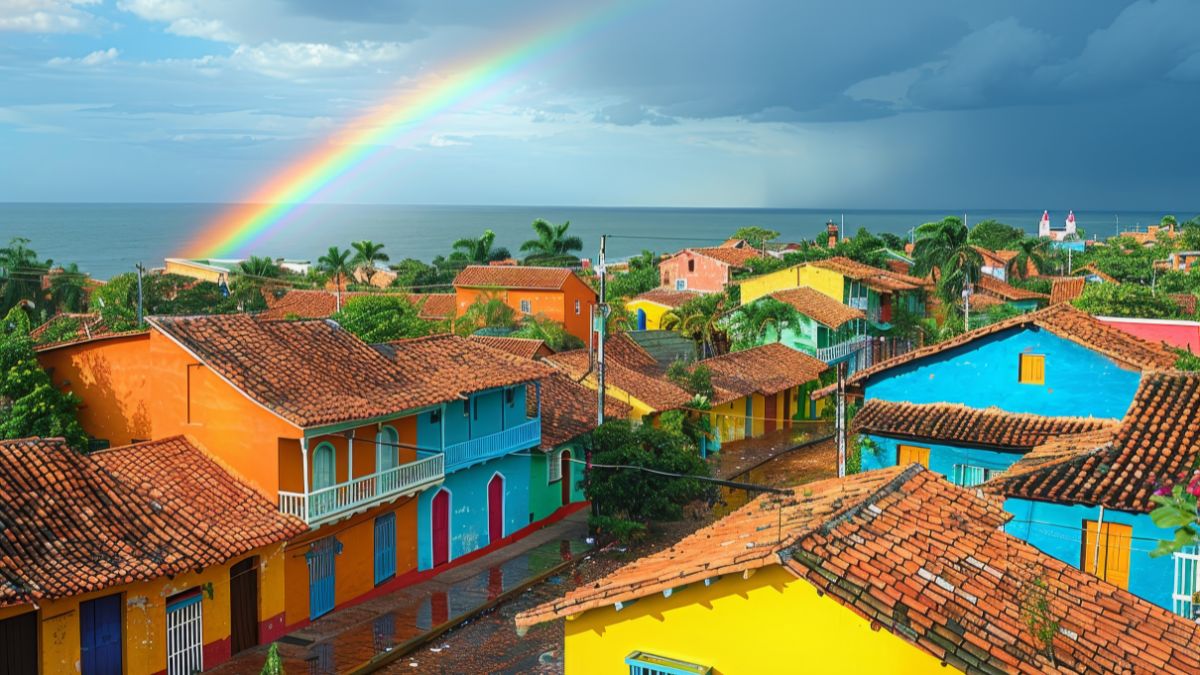
Founded in 1521 by Spanish colonizers who had excellent taste in real estate, San Juan is one of the oldest continuously inhabited European-established cities in the Americas. It looks the part: candy-colored colonial buildings stacked along cobblestone streets, fortresses the size of small towns perched over the Atlantic, and a culinary scene that will make you question every food decision you made before this trip. It's a city that rewards you for slowing down, but also for staying up way too late at a bar on Calle San Sebastián. We did both. Here's what we think is worth your time.
1. Wander Old San Juan Without a Plan
We have a rule on this team: if you fly all the way to San Juan and spend less than a full day just wandering Old San Juan without an itinerary, you've made a serious error. This is a neighborhood that punishes over-planning. The best moments happen when you duck down a side street chasing the smell of fresh bread from a panadería, or stumble into a tiny courtyard gallery you'd never have found on Google Maps.
Your Key to Effortless Travel
Meet Travelfika
Planning a trip should be exciting, not exhausting—and that's where Travelfika comes in! With our smart AI-powered tools, insider tips, and seamless planning features, we make travel easier than ever.
Whether you're crafting the perfect itinerary, discovering hidden spots, or getting real-time recommendations, Travelfika has your back. No more endless research or last-minute stress—just smooth, effortless travel planning tailored to you. So go ahead, dream big, explore more, and let Travelfika handle Read More
Planning a trip should be exciting, not exhausting—and that's where Travelfika comes in! With our smart AI-powered tools, insider tips, and seamless planning features, we make travel easier than ever.
Whether you're crafting the perfect itinerary, discovering hidden spots, or getting real-time recommendations, Travelfika has your back. No more endless research—just smooth, effortless travel planning tailored to you.Read More
Planning a trip should be exciting, not exhausting—and that's where Travelfika comes in! With our smart AI-powered tools, insider tips, and seamless planning features, we make travel easier than ever.
Whether you're crafting the perfect itinerary, discovering hidden spots, or getting real-time recommendations, Travelfika has your back.Read More
Planning a trip should be exciting, not exhausting—and that's where Travelfika comes in! With our smart AI-powered tools, insider tips, and seamless planning features, we make travel easier than ever. Read More
Planning a trip should be exciting, not exhausting— and that's where Travelfika comes in! With our smart AI-powered tools, insider tips, and seamless planning features. Read More
The cobblestones are the blue-gray kind made from adoquines, volcanic rock shipped over as ballast from Spain, and they are absolutely not designed for roller suitcases or thin-soled sandals. We learned the sandal lesson the hard way. We also watched a woman attempt Calle Fortaleza in kitten heels and wanted to say something but didn't know how. Walking these streets in the early morning, before the cruise ship crowds materialize and the air still carries that cool overnight breeze, is genuinely one of the best urban experiences in the Caribbean. The San Juan Cathedral and El Convento anchor the historic core, and the plazas fill up fast as the day heats up, with pigeons, coffee vendors, and locals moving with the particular unhurried confidence of people who live somewhere beautiful and know it.
2. Stand on the Walls of El Morro Fort
Castillo San Felipe del Morro is the kind of place that makes your normal life feel embarrassingly small. Built in the 16th century to hold off pirates, the British, and basically anyone who tried to take the island by sea, El Morro sits at the northwestern tip of Old San Juan with the Atlantic crashing against its base six stories below. One of us stood at the top of the main watchtower and just went quiet for a few minutes. The wind up there is constant and fierce, carrying salt air and the sound of waves that have been hitting those same walls for five hundred years.
This is a UNESCO World Heritage Site, and for once, that designation isn't bureaucratic housekeeping. The fort is genuinely immense and spectacularly preserved. The tunnels are cool, literally, which is a relief from the heat, and the exhibits do a solid job of contextualizing the Spanish colonial period without sanitizing it. On the lawn out front, people fly kites. Actual kites. We watched for longer than we'll admit. Go in the morning. By noon, the sun reflecting off the limestone gets punishing and the tour groups thicken considerably.
3. Spend an Afternoon at Condado Beach
Condado Beach is where we deposited ourselves for an entire afternoon and felt zero guilt about it. The sand is that particular shade of warm gold that photographs well and feels even better under your feet, and the water is clear enough that you can watch small fish darting around your ankles while you wade in. We arrived around 9am when the beach was still relatively quiet, ordered coconut water from a stand near the boardwalk, and collectively agreed we had been working too hard.
The surfing and paddleboarding here are solid if you want to actually do something with your body, but the beach also functions perfectly as a place to do absolutely nothing. It's flanked by hotels, restaurants, and casual snack shops that sell cold Medalla beer at a price that back home would only buy you a sad vending machine water. The late afternoon light is extraordinary, golden and slightly hazy, reflecting off the water in a way that makes everyone look like they're in a film. We burned through SPF 30 in one afternoon here and learned our lesson the itchy, peeling way. Bring factor 50. We said what we said.
4. Walk Paseo de la Princesa at Sunset
Paseo de la Princesa is a promenade that runs along the old city walls toward San Juan Bay, and the late afternoon there is something we still talk about. The trees provide actual shade, which matters more than it sounds, and the path opens out toward the water through a beautiful old gate where the bay spreads ahead of you and the stone fortifications rise on your left. Street vendors sell handmade jewelry, Puerto Rican spices, and small sculptures, and there's always someone nearby grilling pinchos, pork skewers over charcoal, the smoke drifting across the path in a way that makes it physically impossible to keep walking without stopping to buy one.
At sunset, the whole scene goes cinematic. The sky turns orange and pink over the water, couples park themselves on the seawall, and you can hear drums from the nearby plaza. It's one of those places that would feel worthwhile even if you showed up alone with a podcast. Which one of us did. He had a great time.
5. Visit the San Juan Cathedral
The Cathedral of San Juan Bautista is not the flashiest thing in Old San Juan, but it might be the most quietly affecting. Built in the 16th century, making it one of the oldest churches in the entire Western Hemisphere, it sits at the top of Calle del Cristo with a calm authority. Inside, the stained glass throws colored light across the stone floors in the early morning, and the silence is genuine: the kind you don't expect in a tourist-heavy neighborhood. The tomb of Ponce de León is here, which is either thrilling or just a historical footnote depending on how you feel about Spanish conquistadors, but either way it's a piece of history you can stand three feet from, and that's remarkable.
Go early, before the cathedral fills with tour groups. Ten minutes alone in that nave with the light coming through the windows is worth getting out of bed before 8am, and if you've been staying up too late on Calle San Sebastián, which again, we did, that is saying something.
6. Lose a Tuesday Afternoon at the Puerto Rico Museum of Art
The Museo de Arte de Puerto Rico is one of those places that sneaks up on you. We went in somewhat half-heartedly on a Tuesday afternoon when the heat outside had become genuinely unreasonable, and we came out two hours later having actually forgotten about the heat. The collection spans from 17th-century religious painting through to contemporary work, and what it does well is present Puerto Rican art as a conversation with itself across time, not as a footnote to European or American movements, which is how it often gets framed elsewhere.
The building itself is a neoclassical former hospital wrapped around a central garden, and that garden alone is worth the visit on a breezy day. The rotating exhibitions mean there's almost always something new, and weekday afternoons are calm enough that you can stand in front of a painting for more than thirty seconds without someone walking into your sightline. We went on a Tuesday. Highly recommended.
7. Get Slightly Lost Inside Castillo San Cristóbal
Here's what nobody tells you about Castillo San Cristóbal: it's actually bigger than El Morro. The largest fort built by the Spanish in the Americas, San Cristóbal was designed to defend the city from land attack rather than naval assault, and its system of interconnected walls, dry moats, and tunnels is genuinely maze-like in the best way. We spent an hour in there that we're still not entirely sure we've fully accounted for.
Because it plays second fiddle in most tourists' minds to El Morro, which is purely a fame issue and not a quality one, San Cristóbal tends to be quieter. The views of the Atlantic from the upper ramparts are spectacular, and the tunnel sections are cool, slightly damp, and eerie in a way that kids absolutely love. If you're visiting with family, do this one first. If you're visiting without family, do it anyway and embrace the feeling of being slightly lost underground in a 300-year-old Spanish fortification.
8. Take a Sunset Boat Tour of San Juan Bay
Seeing El Morro from the water is a completely different thing from seeing it from the land, and we say this having done both. From a boat out in San Juan Bay, the fort rises from the headland in a way that makes you genuinely understand why attacking ships thought twice. The walls look bigger, the cliffs look steeper, the whole city stretches back behind it in a panorama that no street-level vantage point can replicate.
Sunset tours are the obvious recommendation. The sky over San Juan does things at dusk that feel almost theatrical, and the sea breeze means the heat finally becomes irrelevant. We took a mid-sized catamaran with about twenty other people, the crew played old salsa loud enough that you had to lean in to talk, and someone brought out cold drinks about fifteen minutes in. By consensus, it was the most relaxed two hours any of us spent in San Juan, and we've been chasing that specific feeling on boat tours ever since.
9. Spend Time at the National Gallery of Puerto Rico
The Galería Nacional de Puerto Rico sits inside what was once a Dominican convent built in 1523, which means the art shares wall space with five centuries of architectural history. The collection focuses on Puerto Rican artists and makes a strong case that the island's visual culture has been doing interesting things for a very long time, largely without getting the international attention it deserves. The building itself, with its thick colonial walls and internal courtyard, is one of the more atmospheric spaces in Old San Juan. The architecture does as much work as the paintings.
It's a smaller institution than the Museo de Arte de Puerto Rico, which means it gets even less foot traffic and you can move through the galleries in near-solitude. We were the only people in one room for a solid twenty minutes, which gave us time to properly argue about a particular abstract landscape. We still disagree about it. That argument was better than most conversations we've had in more crowded museums.
10. Hike El Yunque National Forest
El Yunque is about 45 minutes east of San Juan, and if you skip it, we will judge you quietly but firmly from afar. It is the only tropical rainforest in the entire US National Forest System, and it looks exactly the way a rainforest should look: dense, improbably green, and loud. The coquí tree frog, Puerto Rico's unofficial mascot, makes a sound that's somehow both tiny and completely inescapable. You hear it before you see anything, this high-pitched chorus rising out of the undergrowth, and within ten minutes it becomes the sound of the whole island to you.
We hiked the La Mina trail down to the waterfall and swam in the pool at the base of it. The water was cold enough to be genuinely shocking after the heat and humidity of the trail. We also did one of the ridge trails for the views over the canopy to the coast, and the sight of the Atlantic glittering in the distance through a gap in the trees, with a Spindalis bird calling somewhere above us and the smell of wet earth rising off everything, is one of those moments that earns its place in your memory without any effort. Go in the morning, before the afternoon rain showers roll in and before the trails get crowded. Wear shoes that can get muddy. Not sandals. We have said this before and we will keep saying it.
Getting Around San Juan Without Losing Your Mind
Old San Juan is best done on foot, full stop. The streets are too narrow, parking is too miserable, and you'd miss half the good stuff if you were driving. Those cobblestones will destroy inadequate footwear with the enthusiasm of something that has a personal grudge against you, so plan accordingly. For getting between neighborhoods, Uber works well in San Juan, costs less than taxis, and saves you the awkward fare negotiation. Public buses are cheap and cover the main routes, but they require map-reading patience, which is either a feature or a bug depending on how you travel. If you want to get out to Condado, Isla Verde, or anywhere beyond the old city, a rental car opens up the beaches and makes El Yunque a much easier day trip. Just don't try to park it in Old San Juan unless you enjoy suffering.
Things We'd Tell a Friend Before They Go
Drink more water than you think you need. The humidity is real and it doesn't negotiate. The sun in Puerto Rico is not playing around, and we have the SPF regrets from Condado to prove it. Bring a hat, bring a higher SPF than feels necessary, and bring a light rain jacket if you're spending time in El Yunque, because the showers come fast, leave fast, and drench you completely in the interval.
On the food front: do not leave without eating mofongo. It's mashed plantains with garlic and pork, dense and savory and deeply satisfying, and it's everywhere. Also try arroz con gandules, rice with pigeon peas, and a pastel if you can find one. These are not optional. They are the point. And while most people in San Juan speak English, a few words of Spanish go a long way. 'Hola,' 'Gracias,' and 'Esto está delicioso' will earn you actual smiles from people who have clearly watched too many tourists walk through without trying.
For booking flights, hotels, and package deals, Travelfika offers a clean interface and competitive pricing that made our trip logistics significantly less painful than they could have been. Worth checking before you start clicking around the usual suspects.
Your San Juan Questions, Answered Honestly
What are the best things to do in San Juan Puerto Rico?
Walk Old San Juan before the cruise crowds arrive, give half a day to El Morro, and drive out to El Yunque National Forest. Those three alone justify the flight. Add Condado Beach for an afternoon, a sunset boat tour of the bay, and at least one long dinner involving mofongo and cold Medalla beer, and you've done San Juan correctly. Everything else is a bonus.
What should I do in San Juan Puerto Rico in November?
November is one of the best months to visit. The brutal summer heat has backed off, hurricane season is winding down, and the city isn't yet in peak holiday mode, so crowds are manageable and prices are better. Good uses of the time:
Hiking El Yunque without being cooked by 95-degree heat
Walking Old San Juan without sweating through your shirt before 9am
Beach afternoons when the light is golden and the water is still warm
Check local event listings before you arrive. The smaller cultural happenings in November rarely make travel roundups but are often the best thing happening in town.
Is Puerto Rico worth visiting?
Yes, without reservation, and this is a team that argues about destinations constantly. Puerto Rico generates no serious dissent. A UNESCO-listed colonial city, the only tropical rainforest in the US National Forest System, beaches that actually deliver, and food that will rearrange your priorities. The fact that no passport is required for US citizens makes it an easy decision to make and an impossible one to regret.
How many days do you need in San Juan Puerto Rico?
Three full days is the minimum to do San Juan properly without rushing. Day one covers Old San Juan, El Morro, and Castillo San Cristóbal. Day two is for El Yunque in the morning and Condado Beach in the afternoon. Day three is for the museums, Paseo de la Princesa, and a proper sunset boat tour. Five days lets you breathe, eat more, and stop checking your watch.
Is San Juan Puerto Rico safe for tourists?
Old San Juan and Condado are genuinely safe for tourists and well-patrolled. Like any city, common sense applies: don't flash expensive gear on empty streets at night, stay aware of your surroundings, and stick to well-lit areas after dark. The vast majority of visitors have no issues whatsoever. San Juan's tourism infrastructure is solid and the locals are, on the whole, very welcoming to visitors who make a small effort.
What food should I try in San Juan Puerto Rico?
Mofongo is non-negotiable. It's mashed plantains with garlic and pork crackling, served everywhere and priced fairly. Beyond that:
Arroz con gandules: rice with pigeon peas, the soul food of the island
Pasteles: masa and pork parcels wrapped in banana leaf
Tostones: twice-fried plantain slices that pair with everything
Cold Medalla beer: the local lager, best consumed at the beach
Skip the tourist-facing restaurants on the main drag and ask locals where they actually eat.