Unforgettable Experiences in Bali: Must-See Attractions & Tips
Best Things to Do in Bali: Top Attractions, Temples & Hidden Gems
5 min read
We have collectively spent more time in Bali than we care to admit on our tax returns. Between the six of us, we have visited this island over forty times, gotten lost on scooters in Ubud more than once, and yes, had a monkey steal a pair of prescription sunglasses (RIP, Ray-Bans). So when we say this guide covers the best experiences in Bali, we mean it in the most battle-tested way possible.
Bali is often called the "Island of the Gods," and honestly, that nickname holds up. Ancient temples sit on sea cliffs. Rice terraces cascade down hillsides like green staircases built for giants. And the sunsets? They are the kind that make you forget you have a return flight.
Whether you are chasing adventure, cultural depth, or just a really good photo for your dating profile, here is our honest, no-fluff guide to the experiences that actually matter.
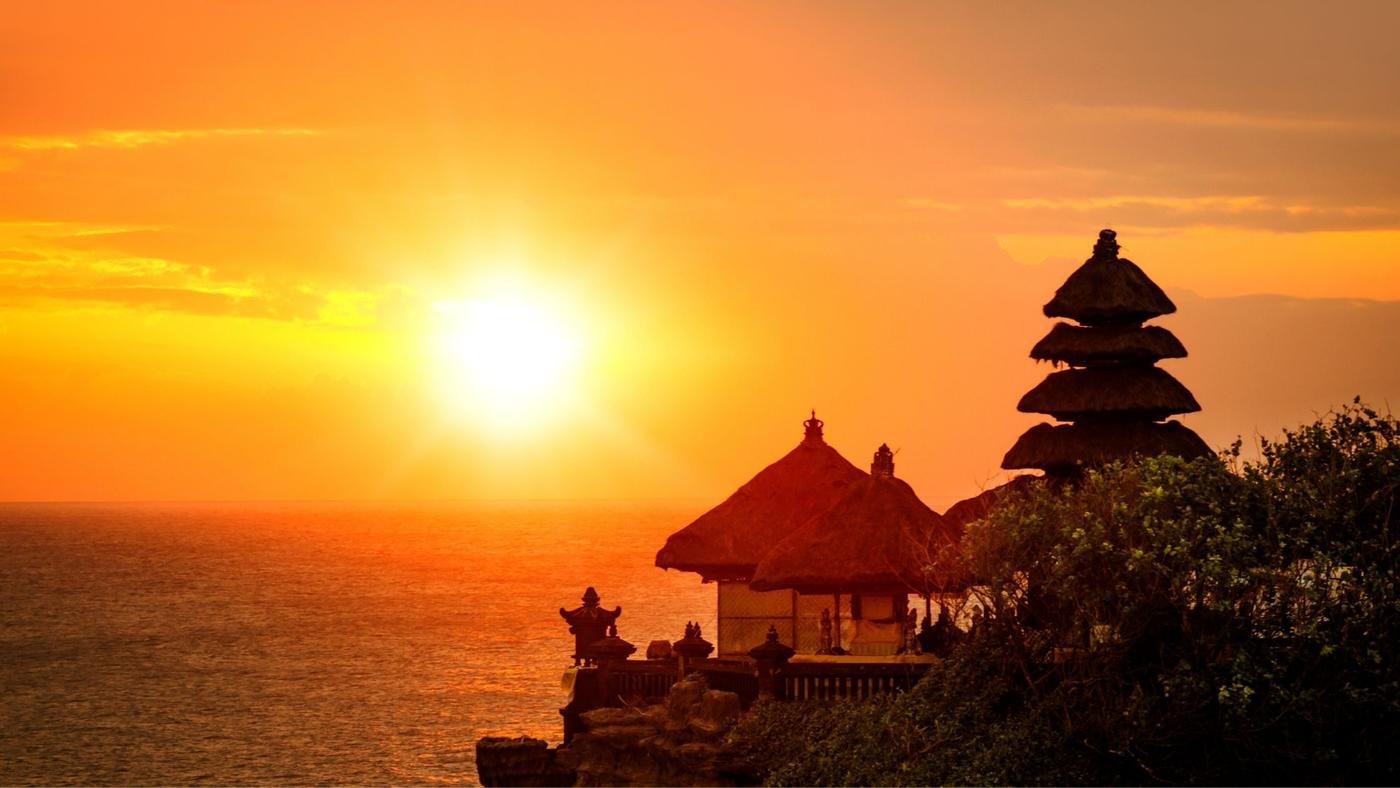
1. Witness a Legendary Sunset at Tanah Lot Temple
Why Tanah Lot Deserves the Hype
Your Key to Effortless Travel
Meet Travelfika
Planning a trip should be exciting, not exhausting—and that's where Travelfika comes in! With our smart AI-powered tools, insider tips, and seamless planning features, we make travel easier than ever.
Whether you're crafting the perfect itinerary, discovering hidden spots, or getting real-time recommendations, Travelfika has your back. No more endless research or last-minute stress—just smooth, effortless travel planning tailored to you. So go ahead, dream big, explore more, and let Travelfika handle Read More
Planning a trip should be exciting, not exhausting—and that's where Travelfika comes in! With our smart AI-powered tools, insider tips, and seamless planning features, we make travel easier than ever.
Whether you're crafting the perfect itinerary, discovering hidden spots, or getting real-time recommendations, Travelfika has your back. No more endless research—just smooth, effortless travel planning tailored to you.Read More
Planning a trip should be exciting, not exhausting—and that's where Travelfika comes in! With our smart AI-powered tools, insider tips, and seamless planning features, we make travel easier than ever.
Whether you're crafting the perfect itinerary, discovering hidden spots, or getting real-time recommendations, Travelfika has your back.Read More
Planning a trip should be exciting, not exhausting—and that's where Travelfika comes in! With our smart AI-powered tools, insider tips, and seamless planning features, we make travel easier than ever. Read More
Planning a trip should be exciting, not exhausting— and that's where Travelfika comes in! With our smart AI-powered tools, insider tips, and seamless planning features. Read More
We will be straight with you. A lot of "must-see" temples are underwhelming in person. Tanah Lot is not one of them.
The name translates to "Land on the Sea," and that is exactly what you get: a temple perched on a rocky offshore formation, surrounded by crashing waves, silhouetted against a sky that looks like someone spilled watercolors across it. Sea snakes carved into the temple's base are believed to guard it from evil spirits, which is a level of security we respect.
Tanah Lot is one of seven sea temples dotting Bali's southwestern coast. From its vantage point, you can see the Indian Ocean stretching west toward the town of Negara, with Uluwatu Temple visible on the southern cliffs. It is genuinely one of the best places to watch the sun disappear in all of Southeast Asia.
When to Show Up
Our advice: arrive around 4:30 PM. This gives you time to wander the temple grounds, grab a coconut from one of the vendors, and stake out a good viewing spot. The sunset peaks between 6:00 and 6:30 PM, and the crowds build fast, so early birds win here.
2. Soar Above the Jungle on a Bali Swing
The Real Deal on Bali's Famous Swings
Look, we were skeptical too. A swing? As a tourist attraction? But then we actually did it, and we have to admit: dangling above a river valley with nothing but jungle canopy below you is a genuine thrill. It is part adrenaline rush, part meditation, and entirely Instagrammable.
The main Bali Swing complex has 12 swings and 9 nest platforms at varying heights, each offering a different perspective of the surrounding forest. But there are several options across the island worth considering:
**Ubud Swing** (the original, most popular)
**Uma Pakel Swing** (quieter, great valley views)
**Alas Harum Swing** (combines swings with a coffee plantation tour)
**Wana Giri Hidden Hills Swing** (overlooking Lake Buyan, less crowded)
Photo Tips We Learned the Hard Way
Wear something bright. Seriously. We made the mistake of wearing earth tones our first time and basically blended into the foliage like camouflaged tourists. Bright reds, yellows, or whites pop against all that green. Also, go early in the morning. By 10 AM, the lines get long and the light gets harsh.
Before you book anything, make sure to check the latest Bali visa requirements for your nationality. Nothing kills a trip faster than paperwork problems at immigration.
3. Walk the Tegallalang Rice Terraces Near Ubud
What Makes Tegallalang Worth the Trip
About 20 minutes north of Ubud, the Tegallalang Rice Terraces sit at roughly 600 meters above sea level. The terraces use a traditional Balinese irrigation system called "subak," which UNESCO has recognized as part of Bali's cultural heritage. That is fancy talk for "these rice paddies are really, really old and really, really beautiful."
We love walking along the narrow paths between the paddies, chatting with local farmers who are usually happy to explain how the subak system works. On the road into Tegallalang, you will also pass the Pakudui hamlet, where artisans sell intricate woodwork carvings. Worth a stop if you want souvenirs that are not mass-produced keychains.
The cool breeze at this elevation is a welcome break from the coastal heat, and there are several cafes built right on the terrace edges where you can sit with a coffee and just... stare. We have lost entire afternoons doing exactly that.
Best Time to Visit and Photography Notes
Sunrise and the hour before sunset give you the best light. If you want the terraces at their greenest, visit between April and October during harvest season. A wide-angle lens is your best friend here; the terraces stretch so far that a standard lens cannot do them justice.
4. Hike Mount Batur for a Sunrise You Will Never Forget
What the Mount Batur Trek is Actually Like
Mount Batur (locally called Gunung Batur) is an active volcano that rises 1,717 meters above sea level. Before you panic, "active" in this context means it last erupted in 2000 and is closely monitored. The hike itself is challenging but manageable for anyone with reasonable fitness.
The real payoff comes at the summit. As the sun climbs above the horizon, it illuminates Lake Batur below, surrounded by the caldera rim and old black lava fields from the 2000 eruption. Our team's photographer nearly cried the first time she saw it. The rest of us were too out of breath to cry, but we understood the sentiment.
Practical Hiking Tips
**Start time:** 3:00 AM. Yes, it is painful. Yes, it is worth it.
**Footwear:** Proper hiking shoes with ankle support. We saw someone attempt it in flip-flops once. Do not be that person.
**Bring:** A flashlight or headlamp, a light jacket (it is cold at the top before sunrise), water, and snacks.
**Guides:** We strongly recommend hiring a local guide. The trail is not always well-marked in the dark, and local guides know the terrain intimately. Most tours include breakfast cooked using volcanic steam at the summit, which is a fun novelty.
5. Meet 600 Monkeys at the Sacred Monkey Forest Sanctuary
Why This Place is More Than a Tourist Trap
We will admit we expected this to be a cheesy tourist stop. We were wrong. The Sacred Monkey Forest Sanctuary in Ubud is home to over 600 Balinese long-tailed macaques living among 115 different tree species and three ancient Hindu temples. The forest canopy is dense, the air is noticeably cooler, and the walking paths wind through moss-covered stone carvings that look like something from an adventure film.
You can buy bananas at the entrance to feed the monkeys, and watching them delicately peel each one is oddly entertaining. The temples within the forest, particularly the Pura Dalem Agung Padangtegal, date back to the 14th century and are still used for ceremonies.
Survival Tips
**Secure everything.** Monkeys will grab sunglasses off your face, phones from your hands, and snacks from your pockets. We speak from expensive experience.
**Do not make direct eye contact** with the macaques. They interpret it as a challenge, and you will not win that argument.
**Visit before 10 AM** to beat the tour bus crowds. The morning light filtering through the canopy is also far better for photos.
Want to hit all of Bali's highlights without the planning headache? Our team put together a 5-day Bali tour itinerary that covers these spots and more.
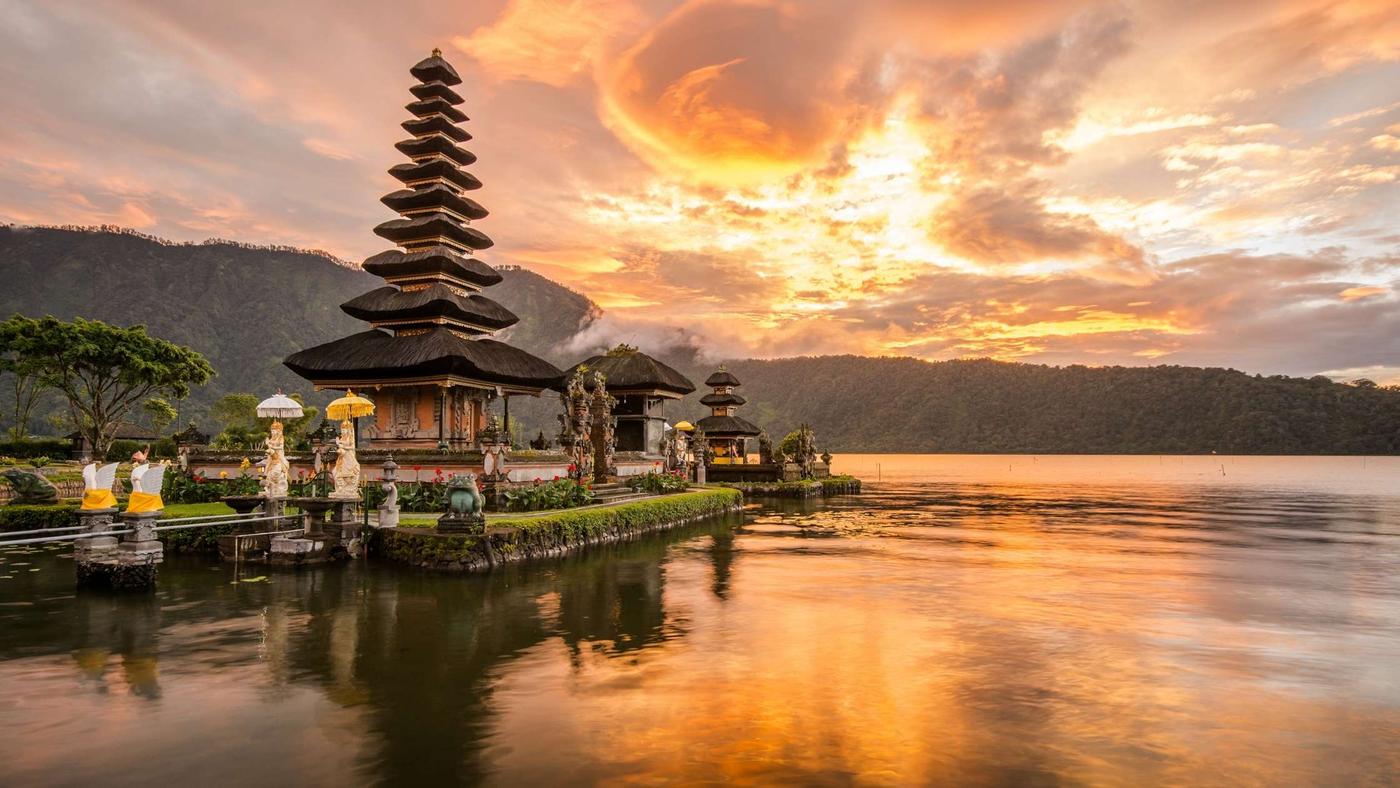
6. See the Floating Temple of Pura Ulun Danu Bratan
A 17th-Century Temple That Looks Like It Hovers on Water
Pura Ulun Danu Bratan sits on the shores of Lake Beratan in the Bedugul highlands, and on a still morning, the temple's reflection on the lake surface creates the illusion that it is floating. We have seen a lot of temples across Southeast Asia, and this one consistently ranks among our favorites for sheer visual impact.
Built in 1633, the temple honors the Hindu trinity of Brahma, Vishnu, and Shiva. The architecture is classic Balinese, with multi-tiered meru (pagoda-like shrines) set against a backdrop of misty mountains. It is the kind of place that makes you understand why Bali earned its "Island of the Gods" nickname.
When to Visit
Early morning is best. The mist rolling off the lake gives the temple an almost otherworldly quality that burns off by mid-morning. If you visit during the rainy season (November through March), the lake is at its fullest, which makes the floating effect even more dramatic. We have visited in both seasons and honestly enjoy the rainy season version more, though we seem to be in the minority on that opinion.
Best Time to Visit Bali: A Season-by-Season Breakdown
Bali is a year-round destination, but your experience will differ significantly depending on when you go. Here is what we have learned from visiting across every month of the year.
Dry Season: April to October
This is peak season for good reason. Skies are clear, temperatures hover between 27 and 32 degrees Celsius, and humidity is manageable. It is the best window for beach days, surfing, snorkeling, hiking, and temple hopping.
The catch? July and August bring the heaviest tourist traffic, which means higher hotel prices, longer lines, and more crowded beaches. If you can swing April, May, or September, you get nearly identical weather with far fewer people.
Rainy Season: November to March
Do not write this off. The rain typically falls in heavy afternoon bursts, leaving mornings clear and pleasant. Hotel prices drop significantly, and popular sites are noticeably less crowded. The rice terraces and jungles are at their most lush and green during these months, which makes for incredible photography.
This is also a great time for spa retreats, cooking classes, and indoor cultural experiences. We have had some of our best Bali trips during the rainy season, and we paid about 40% less for accommodation.
Shoulder Months: April, May, September, October
These are our favorite months to visit. You get the good weather of the dry season, the lower prices of the off-season, and excellent underwater visibility for diving and snorkeling. If we had to pick one month, we would say September. The weather is reliable, the crowds have thinned after the European summer holidays, and flight deals are plentiful.
Practical Tips for Your Bali Trip
We have made plenty of mistakes in Bali so you do not have to. Here is what we wish someone had told us before our first trip.
**Currency:** Bali uses the Indonesian Rupiah (IDR). Exchange money at authorized counters, not the sketchy booths with "no commission" signs. Check the current IDR to your home currency conversion rate before you go so you have a baseline for spotting bad rates.
**Visa:** Most nationalities can get a Visa on Arrival (VoA) for 30 days, extendable once for another 30 days. Double-check the latest rules before booking flights, as regulations change periodically.
**Getting Around:** Renting a scooter is the cheapest and most flexible option for short distances, but Bali traffic is genuinely chaotic. If you are not an experienced rider, use Blue Bird taxis (the reputable ones with meters) or ride-hailing apps like Grab and Gojek.
**Temple Etiquette:** Cover your shoulders and knees when visiting temples. Most temples provide sarongs for rent or purchase at the entrance, but bringing your own is cheaper and more hygienic.
**Bargaining:** In markets like Ubud Art Market or Sukawati, the first quoted price is typically two to three times the actual value. Negotiate politely but firmly. A good starting counter-offer is about 40% of the asking price.
**Water:** Drink bottled water only. We learned this the hard way during our second trip, and we will spare you the details.
**Budget Range:** Bali genuinely caters to every budget. You can find clean guesthouses for under 20 USD per night or blow 500 USD on a cliff-side villa. Both experiences are valid, and both are authentically Bali.
Frequently Asked Questions About Visiting Bali
What is Bali famous for?
Bali is famous for its ancient Hindu temples (like Tanah Lot and Uluwatu), terraced rice paddies, world-class surf breaks, and a deeply rooted cultural scene that blends Hindu traditions with Balinese customs. It is also known for adventure activities like volcano hiking, white-water rafting, and diving, plus a growing reputation for yoga retreats and wellness tourism. We always tell people: Bali is not just beaches. The interior of the island, around Ubud and the central highlands, is where the real character lives.
Are 5 days enough for a Bali trip?
Five full days gives you enough time to hit the major highlights without feeling completely rushed. A reasonable itinerary would include Ubud (Sacred Monkey Forest, rice terraces, local markets), the Mount Batur sunrise hike, Tanah Lot or Uluwatu for a sunset temple visit, and a beach day in Seminyak or Nusa Dua. You will not see everything, but you will get a solid taste of what makes the island special. If you can stretch it to seven days, even better.
Which is the best month to visit Bali?
The dry season from April to October offers the most reliable weather for outdoor activities. Our team's personal pick is September: great weather, thinner crowds after peak summer, lower prices, and excellent diving visibility. If you prefer lush green scenery and do not mind afternoon rain showers, the rainy season months of November through March have their own appeal and are significantly cheaper.
What should I wear in Bali?
Pack lightweight, breathable clothing. Cotton and linen work well in the tropical heat. Comfortable walking shoes are a must for temple visits and rice terrace walks. Bring sandals or flip-flops for the beach, modest clothing that covers shoulders and knees for temple visits, swimwear, and a light jacket or sweater for cooler highland areas and evening breezes. We also recommend a small daypack for carrying water, sunscreen, and a rain poncho during the wet season.