Tonight’s Super Hunter’s Moon: Where Are the Best Places to See It in the USA?
Tonight’s Super Hunter’s Moon: Where Are the Best Places to See It in the USA?
6 min read
We are not dramatic people. But when someone tells us the Super Hunter's Moon on October 17, 2024 will sit a mere 222,056 miles from Earth, its closest point of the entire year, and that it'll be 14% bigger and 30% brighter than your average full moon, we cancel dinner plans without a second thought. This is not something you watch through a window with a glass of wine you're barely paying attention to. You go outside. You drive if you have to. You find a dark patch of sky and you wait for it.
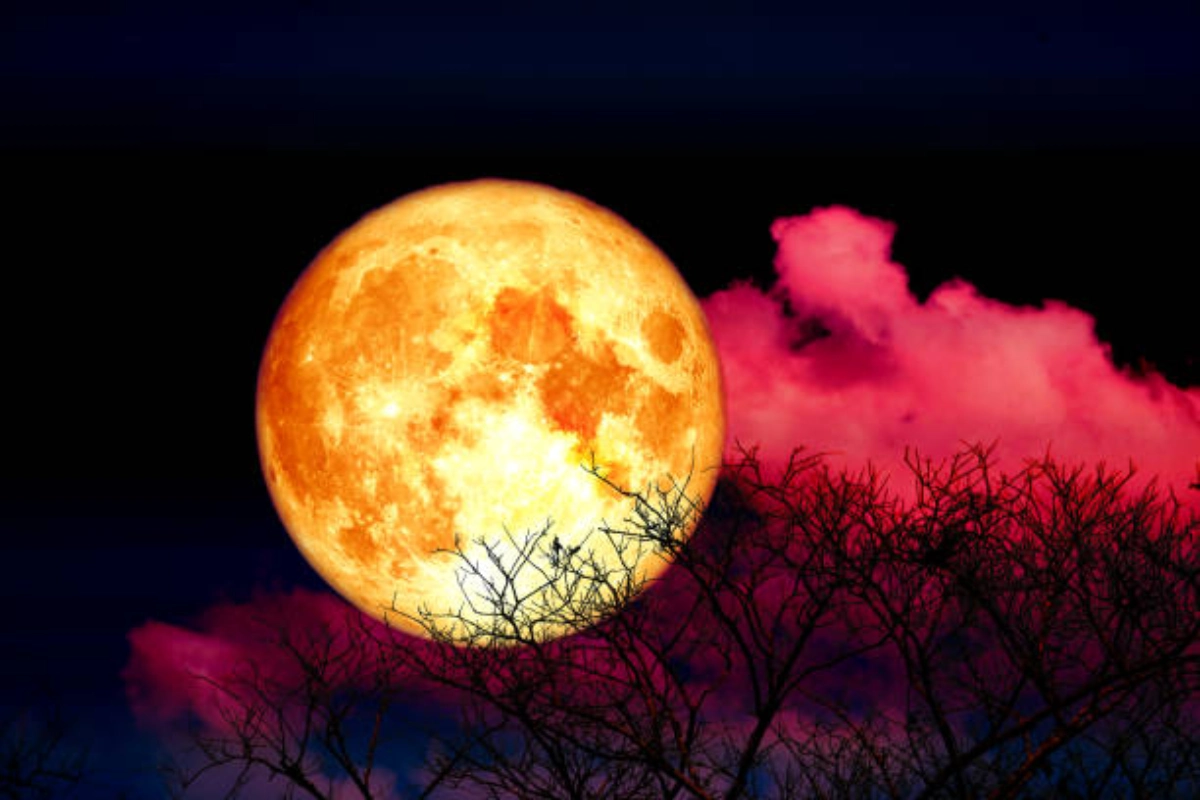
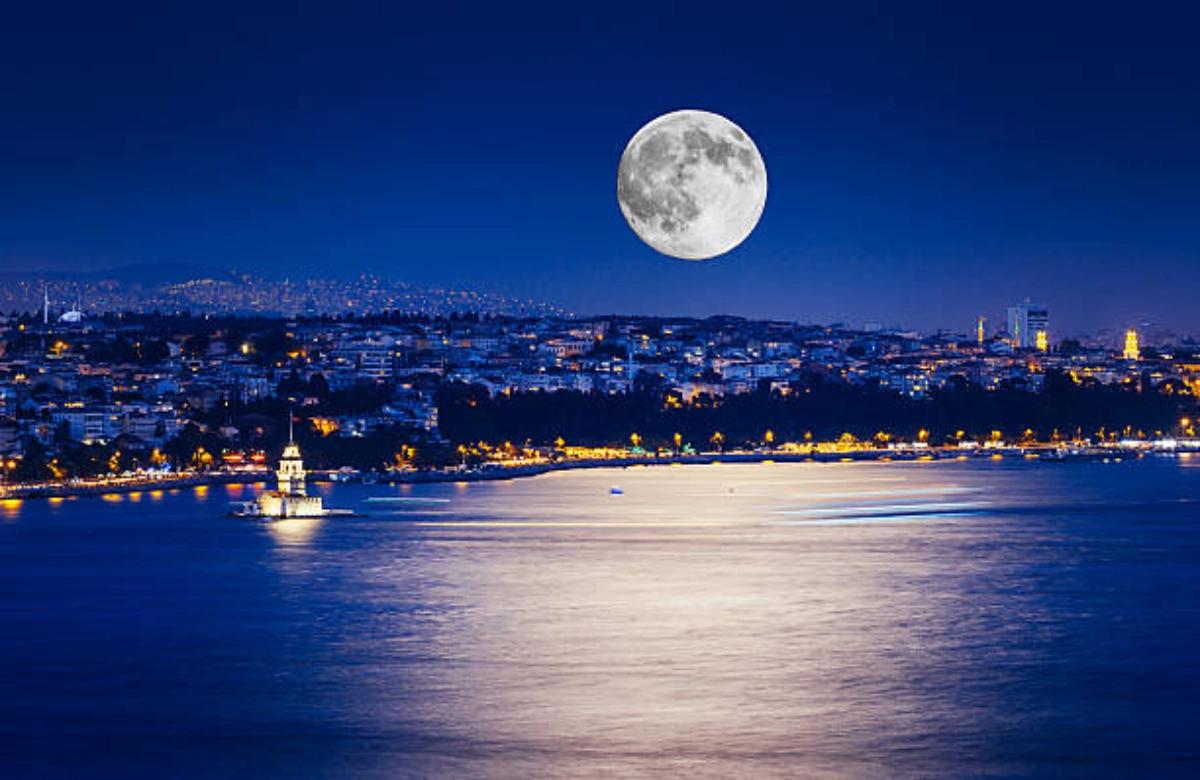
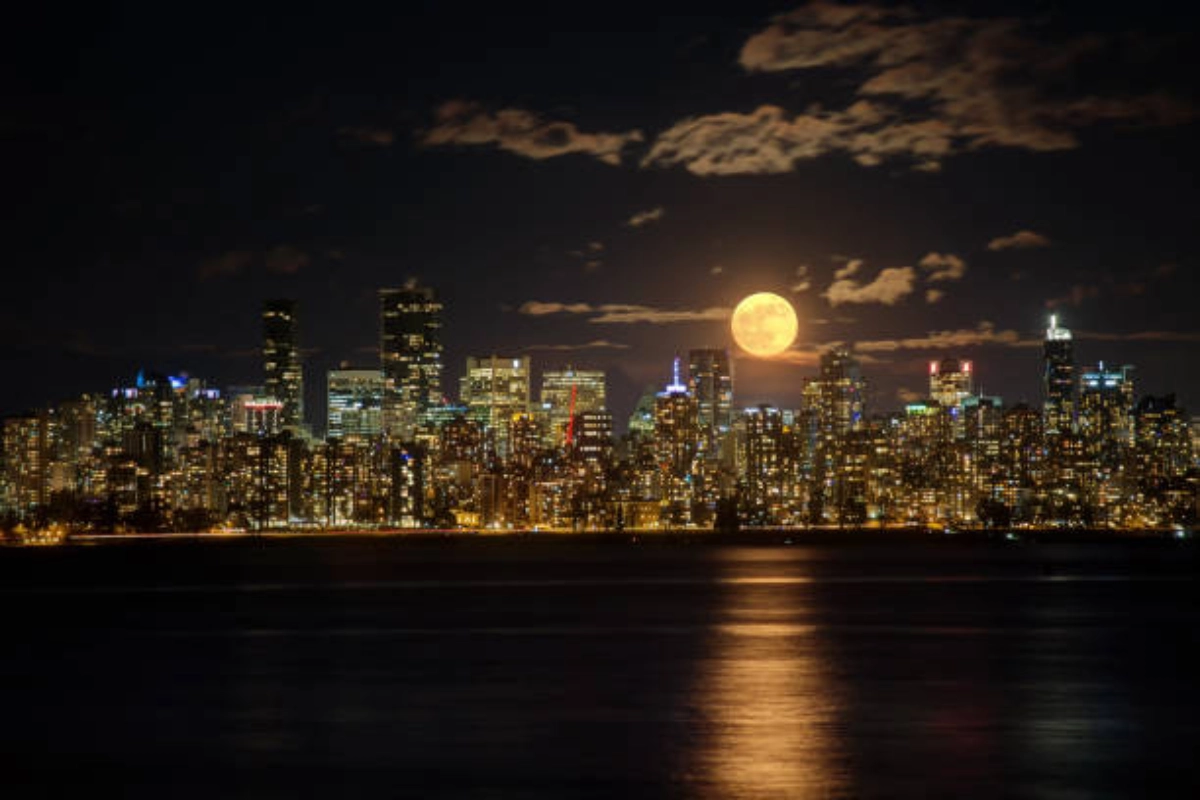
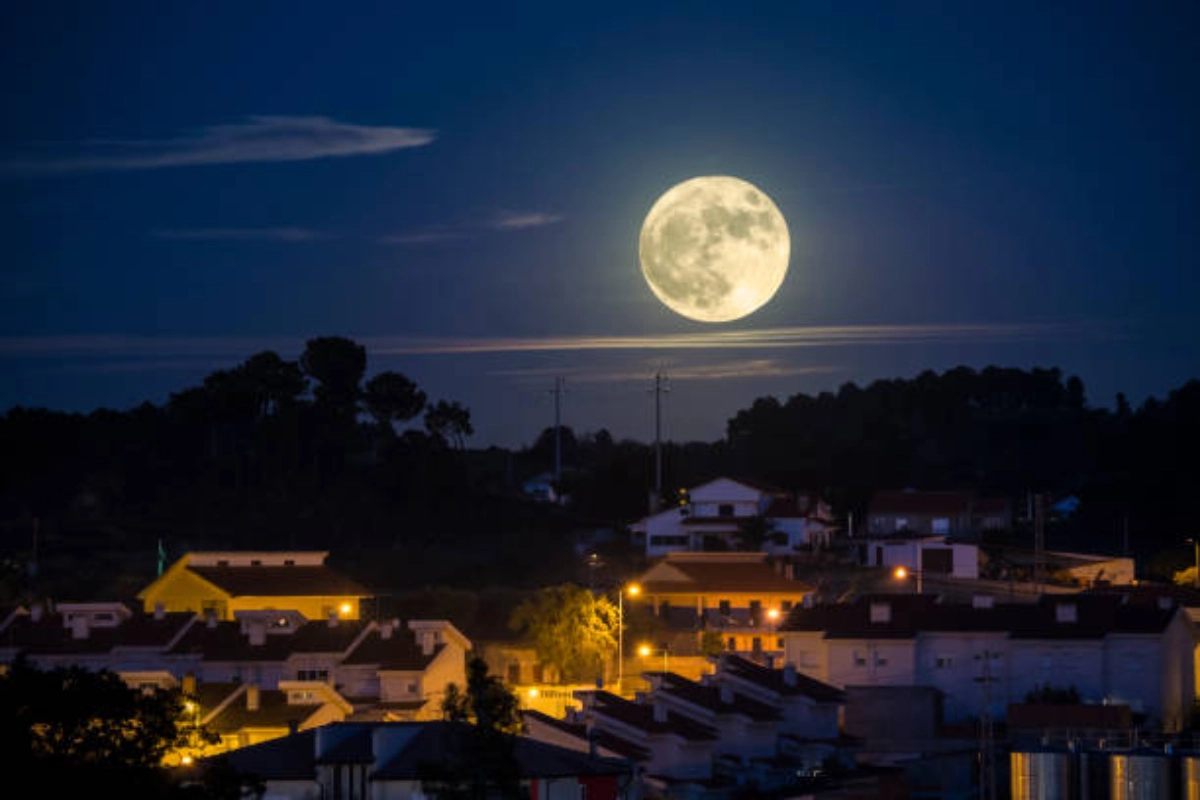
The Hunter's Moon is always the first full moon after the Harvest Moon, and it earned its name from centuries of hunters who used its early, bright rise to track prey across frost-hardened fields. This year it also happens to be a supermoon, meaning it hits perigee, the closest point in its elliptical orbit to Earth, right as it goes full. The result is a moon so absurdly orange and enormous on the horizon that the first time you see it, you'll genuinely question whether something has gone wrong with the sky. It hasn't. That's just physics being generous for once.
When to Watch the Super Hunter's Moon
Your Key to Effortless Travel
Meet Travelfika
Planning a trip should be exciting, not exhausting—and that's where Travelfika comes in! With our smart AI-powered tools, insider tips, and seamless planning features, we make travel easier than ever.
Whether you're crafting the perfect itinerary, discovering hidden spots, or getting real-time recommendations, Travelfika has your back. No more endless research or last-minute stress—just smooth, effortless travel planning tailored to you. So go ahead, dream big, explore more, and let Travelfika handle Read More
Planning a trip should be exciting, not exhausting—and that's where Travelfika comes in! With our smart AI-powered tools, insider tips, and seamless planning features, we make travel easier than ever.
Whether you're crafting the perfect itinerary, discovering hidden spots, or getting real-time recommendations, Travelfika has your back. No more endless research—just smooth, effortless travel planning tailored to you.Read More
Planning a trip should be exciting, not exhausting—and that's where Travelfika comes in! With our smart AI-powered tools, insider tips, and seamless planning features, we make travel easier than ever.
Whether you're crafting the perfect itinerary, discovering hidden spots, or getting real-time recommendations, Travelfika has your back.Read More
Planning a trip should be exciting, not exhausting—and that's where Travelfika comes in! With our smart AI-powered tools, insider tips, and seamless planning features, we make travel easier than ever. Read More
Planning a trip should be exciting, not exhausting— and that's where Travelfika comes in! With our smart AI-powered tools, insider tips, and seamless planning features. Read More
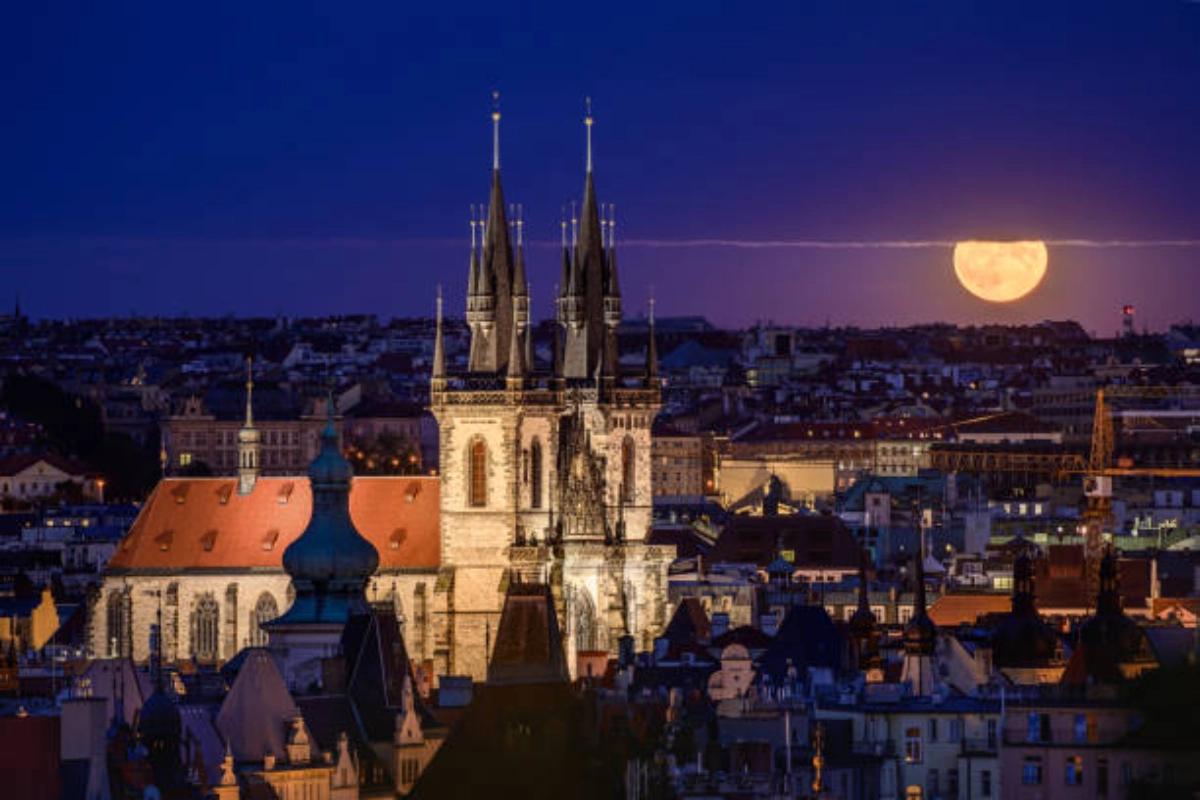
Peak illumination hits at 7:26 a.m. ET on October 17, which is technically correct but practically useless. The real show is the nights of October 16 and 17 when the moon clears the horizon. Eastern time zone folks get moonrise around 6:13 p.m. ET. West Coasters, you're looking at about 6:25 p.m. PT. Set an alarm. Moonrise is where the drama lives, that low-horizon, atmosphere-filtered, impossibly warm orange glow that makes you reach for your phone and immediately realize no phone camera on Earth is going to do it justice. Do it anyway. Then put the phone down.
The Best Places in the USA to See the Super Hunter's Moon
Where you watch from matters enormously. Parking lot asphalt under a sodium streetlight is not the move. We've done this enough times to know.
The Grand Canyon in Arizona is almost unfair as a viewing spot. We stood at Mather Point once during a full moon and lost track of conversation mid-sentence because the light was doing something to the rock walls below that we didn't have language for. The canyon fills with a cold silver glow, the shadows get theatrical, and the moon illusion, where the moon looks disproportionately huge near the horizon, gets amplified by the sheer scale of the landscape around you. Yaki Point works beautifully too, especially if you want slightly fewer people breathing on your shoulder. The air up there in October smells like pine resin and cold stone, and if you've timed it right, the moon crests the far rim right around when your eyes have fully adjusted to the dark. That is the moment. Do not be on your phone for it.
On the East Coast, Acadia National Park in Maine has a specific claim that most people completely sleep on: Cadillac Mountain is one of the first places in the entire continental United States to see the moonrise. We've hauled ourselves up there in early October before, bundled in more layers than was probably dignified, thermoses of coffee going cold faster than expected in the Atlantic wind, and watched the Hunter's Moon pull itself up over the ocean like it had somewhere important to be. The water catches the light. The granite catches the light. Everything smells like salt and cold pine. It is, without exaggeration, one of the better decisions we've made as a team.
Clingmans Dome in the Great Smoky Mountains, straddling Tennessee and North Carolina, gives you the kind of sky that makes you understand why people used to navigate by it. The elevation strips away much of the atmospheric haze, and the surrounding forest keeps the horizon naturally dark. There's a particular silence at altitude in the Smokies at night that's almost aggressive. No traffic, no hum of anything. Just wind and, if October is cooperating, a moon so bright you can read by it. We've tested this. You genuinely can.
If you want something otherworldly, Badlands National Park in South Dakota does things to a moonlit night that we still talk about. The rock formations cast shadows that look like something designed for a film set, sharp, strange, prehistoric. Under a supermoon, the whole landscape goes silver-grey and the air, which smells faintly of dry grass and something ancient we've never been able to name, feels charged. The Pinnacles Overlook gives you a wide-angle panorama that no amount of describing will fully prepare you for. Just go.
And then there's Yosemite National Park in California, where Glacier Point puts you eye-level with Half Dome and the moon simultaneously, which is the kind of coincidence that makes you briefly philosophical. Tunnel View works too, framing the valley in a way that feels almost compositionally impossible, especially when the full moon hangs over it like it was placed there on purpose. Yosemite at night in October is cold, colder than people expect, and the air is so clear it almost feels thin. Bring a real jacket. Not a fashion jacket. A jacket.
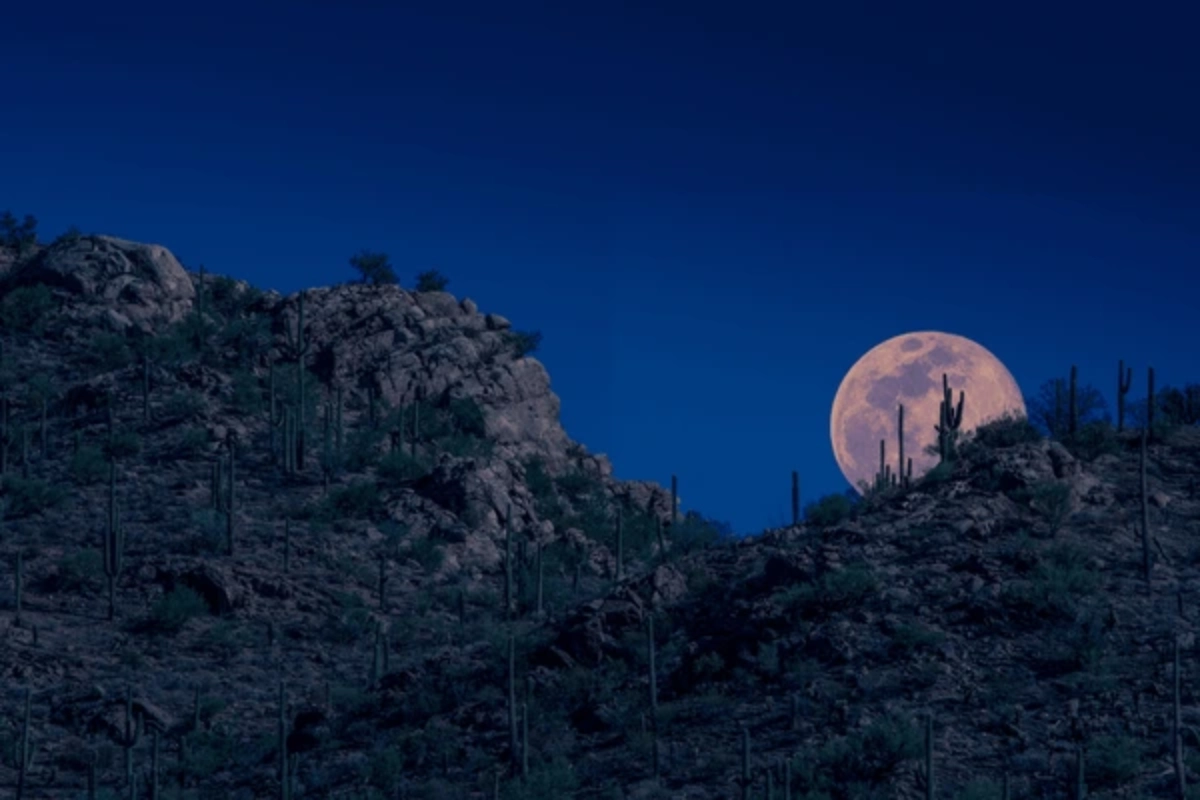
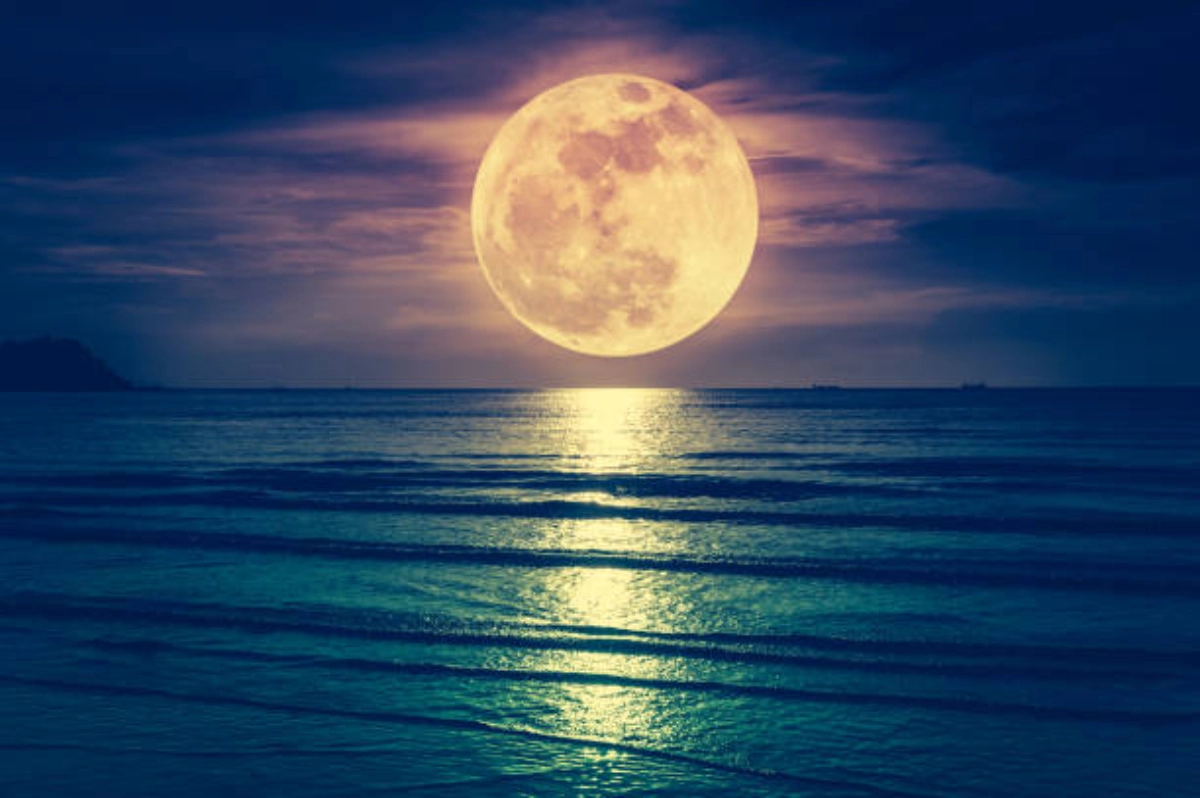
Beyond the marquee spots, don't underestimate a dark rural road two hours outside your city. We've pulled over on the side of a Kansas highway with zero plan and had one of the best moon-watching nights of our lives. No crowds, no parking stress, no one asking you to move so they can get their shot. Just flat horizon, a sky that goes all the way to the ground, and a moon so big it seems structurally implausible. Rural areas work precisely because nobody's expecting anything from them. Atlantic coast beaches deliver in ways that are hard to overstate too, the reflection on the water turns the whole ocean into a mirror, and the sound of waves makes the whole thing feel earned.
If you have access to an observatory doing a public viewing night for the Super Hunter's Moon, go. The moon through a proper telescope looks like a place, not a light source. Craters you've seen in photographs suddenly have depth. It recalibrates something in your brain about the scale of what you're looking at.
What to Bring and How Not to Ruin It
Get to your spot before moonrise, not after. The moon moves faster than intuition suggests and you'll miss the horizon moment entirely if you're still looking for parking. Bring something to sit on because cold ground through thin pants is the number one vibe-killer of outdoor astronomical events. Binoculars are genuinely worth throwing in a bag. You don't need a telescope, but binoculars will show you surface detail that makes the whole thing feel more real. Take photos in the first ten minutes, then put the phone away and actually look at the thing you drove somewhere to see.
What Exactly Is the Hunter's Moon, and Why Is This One Different?
The Hunter's Moon is the first full moon that follows the Harvest Moon, which is the full moon closest to the autumnal equinox. Historically, it gave hunters in the northern hemisphere an extended window of bright evening light. The moon rises earlier than usual in the days surrounding it, shortening the gap between sunset and moonrise. Fields and forests stayed lit long enough to track prey by. The name stuck because it was useful, not because anyone was being romantic about it.
What makes the October 17, 2024 version worth the drive is the supermoon coincidence. A supermoon happens when a full moon lands at or near perigee, the closest point in the moon's elliptical orbit around Earth. This one sits at approximately 222,056 miles out, and the difference between this and an average full moon is not subtle. Fourteen percent larger in apparent diameter. Thirty percent brighter. If you've ever been outside during a full moon and had the passing thought that something seemed different about the sky tonight, this is exactly what was happening.
The orange color you'll see at moonrise isn't a supermoon effect specifically. It's the atmosphere doing what it always does when any large object sits low on the horizon. Light traveling through more air gets scattered, the shorter wavelengths drop out, and you're left with warm reds and oranges. The moon will cool to white as it climbs. That orange window is maybe twenty minutes. Don't miss it.
The next supermoon cycle comes in 2025, and we'll cover it when it does. But the 2024 Super Hunter's Moon carries the added weight of being the last supermoon of the year. There's something about calendar-year finality that makes events like this feel more significant than they technically are. We lean into it.
If you're making a proper trip of this, flying somewhere specifically to watch from a national park or coastal viewpoint, TravelFika can handle the logistics. They're good at last-minute flight and hotel combinations, and their travel advisors at 855-650-3452 have helped us put together enough spontaneous trips to know they don't flinch at short timelines. Worth a call if you're scrambling to make October 16 or 17 happen.
The Super Hunter's Moon of 2024 requires minimal equipment and maximum willingness to just go stand outside in the dark. We've seen it from canyon rims and mountain peaks and the roofs of cars pulled off on rural highways, and it has never once been not worth it. October 17. Moonrise. Be somewhere dark, be somewhere with a clear horizon, and let a 222,000-mile-away rock do something genuinely spectacular to your Thursday night.
FAQs About the Super Hunter's Moon 2024
Is tonight actually a supermoon, or is that just hype?
It's real, and it's the biggest full moon of 2024. On October 17, the Hunter's Moon reaches perigee at approximately 222,056 miles from Earth. That translates to a 14% larger apparent diameter and 30% more brightness than an average full moon. That's not marketing language. That's orbital mechanics doing its thing.
What exactly makes a supermoon super?
The moon orbits Earth in an ellipse, not a circle, so its distance from us changes constantly. Perigee is the closest point in that orbit. When a full moon coincides with perigee, you get a supermoon. The October 17, 2024 Hunter's Moon is the closest full moon of the entire year, which puts it at the top of the 2024 supermoon rankings.
When should I actually go outside to watch it?
Forget the technical peak illumination at 7:26 a.m. ET on October 17. The nights of October 16 and 17 are both excellent for viewing. Moonrise on October 17 falls around 6:13 p.m. ET on the East Coast and approximately 6:25 p.m. PT on the West Coast. Get to your spot before moonrise. The first twenty minutes, while the moon is still low and orange on the horizon, is the best of it.
Where in the USA are the best places to see the Super Hunter's Moon?
Dark skies and a low, unobstructed horizon are all that matter. Our top picks:
Grand Canyon (Mather Point or Yaki Point) for scale and shadow drama
Cadillac Mountain in Acadia, Maine for the earliest continental US moonrise over open ocean
Clingmans Dome in the Great Smoky Mountains for high elevation and total silence
Glacier Point in Yosemite to frame Half Dome and the moon simultaneously
Pinnacles Overlook in Badlands National Park for a genuinely surreal landscape
Any rural road with a flat horizon and zero streetlights works fine too.
Do I need any special equipment to enjoy this?
No. Eyes and a dark location are the only requirements. Binoculars are worth bringing if you have them because they reveal surface craters and give the moon real depth rather than just brightness. A blanket or folding chair is honestly more essential gear than a telescope. Don't let not having equipment stop you from going.
When is the next supermoon after this one?
The next supermoon cycle arrives in 2025. We'll cover it. But the October 17, 2024 Super Hunter's Moon is the closest full moon of this calendar year, which gives it a significance the 2025 events will need to earn on their own terms.
How do I book a last-minute trip to catch the best views?
TravelFika handles exactly this kind of spontaneous travel. They put together flight and hotel combinations quickly and their advisors, reachable at 855-650-3452, are experienced with short-timeline trip planning. If you're trying to get to a national park or coastal location for October 16 or 17, call sooner rather than later.