We'll be honest — when someone says "Montana," most people picture fly fishing in August, maybe a Yellowstone road trip with bison traffic jams. We used to be those people. Then we went in January, and the state basically grabbed us by the collar and said, You have no idea what I can do.
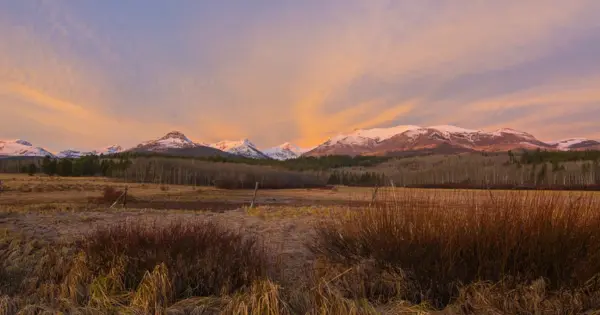
Montana in winter is a completely different animal. The air hits your lungs like cold water — not metaphorically, actually like plunging your face into a creek. The silence in the backcountry is so total it makes your ears ring. And the range of things you can do in all that snow is, frankly, absurd. We spent weeks across multiple trips testing eight winter activities, from the deeply peaceful to the genuinely terrifying, and what follows is the unfiltered version. No rankings, no star ratings, no pretending we weren't scared at several points.
We Let Dogs Pull Us Through 12 Miles of Frozen Forest
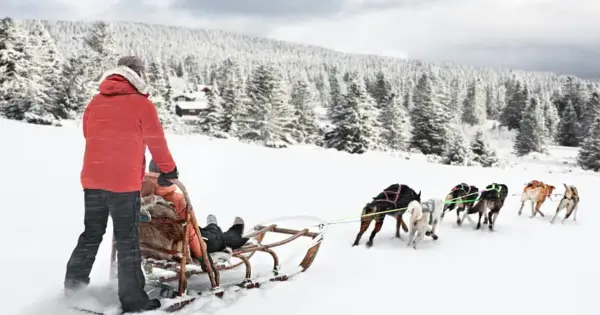
Dog sledding was the first thing we tried, and it almost ruined everything else by setting the bar too high on day one. We went with Dog Sled Adventures in Olney, a small outfit north of Whitefish, and ran their "Eskimo Roller Coaster" trail — 12 miles of swooping, dipping terrain through lodgepole pine forest. The dogs were beside themselves with excitement at the start line, howling and lunging against their harnesses, and the sound of eight huskies collectively losing their minds in the frozen morning air is something we still talk about at dinner. It wasn't just loud. It was the kind of noise that vibrates in your chest.
Your Key to Effortless Travel
Meet Travelfika
Planning a trip should be exciting, not exhausting—and that's where Travelfika comes in! With our smart AI-powered tools, insider tips, and seamless planning features, we make travel easier than ever.
Whether you're crafting the perfect itinerary, discovering hidden spots, or getting real-time recommendations, Travelfika has your back. No more endless research or last-minute stress—just smooth, effortless travel planning tailored to you. So go ahead, dream big, explore more, and let Travelfika handle Read More
Planning a trip should be exciting, not exhausting—and that's where Travelfika comes in! With our smart AI-powered tools, insider tips, and seamless planning features, we make travel easier than ever.
Whether you're crafting the perfect itinerary, discovering hidden spots, or getting real-time recommendations, Travelfika has your back. No more endless research—just smooth, effortless travel planning tailored to you.Read More
Planning a trip should be exciting, not exhausting—and that's where Travelfika comes in! With our smart AI-powered tools, insider tips, and seamless planning features, we make travel easier than ever.
Whether you're crafting the perfect itinerary, discovering hidden spots, or getting real-time recommendations, Travelfika has your back.Read More
Planning a trip should be exciting, not exhausting—and that's where Travelfika comes in! With our smart AI-powered tools, insider tips, and seamless planning features, we make travel easier than ever. Read More
Planning a trip should be exciting, not exhausting— and that's where Travelfika comes in! With our smart AI-powered tools, insider tips, and seamless planning features. Read More
The ride itself is fast enough to make you white-knuckle the sled rail and quiet enough between turns to hear nothing but the hiss of runners on packed snow and the rhythmic panting of dogs who are absolutely living their best lives. One of us fell off on a sharp curve (we won't say who, but his name rhymes with "Bark"). If Olney feels too remote for your itinerary, Big Sky has dog sledding options closer to the resort cluster. But make the drive — Olney's operation felt rawer, more real, less polished-for-tourists.
If you're visiting in late January or February, try to time it with the Darby Dog Derby or the Race to the Sky, a 350-mile endurance race that draws mushers from across the country. We stood at the start line at dawn with gas station coffee going cold in our hands, watching teams disappear into the wilderness one by one, and it was one of those "oh, so this is why people move to Montana" moments that sneak up on you.
Fat Biking the Whitefish Trail Made Us Feel Like Absolute Idiots (The Good Kind)
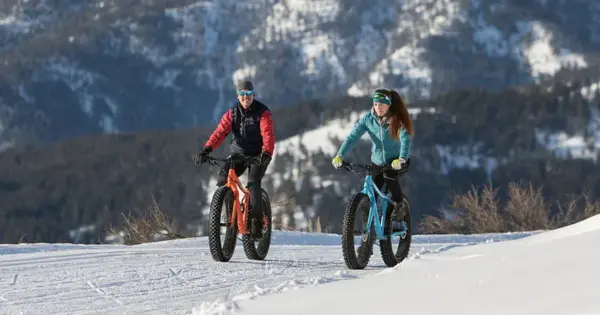
We were skeptical about fat biking. The tires look cartoonishly wide, like someone inflated a regular mountain bike with a bicycle pump and then just kept going out of spite. Then we actually rode one through snow, and within about ninety seconds, every single one of us was grinning like a kid who just figured out they can stay up past bedtime.
Whitefish is the epicenter of Montana's winter fat biking scene, and the 22-mile Whitefish Trail is the crown jewel. The trail winds through forest with periodic views of Whitefish Lake and the ski resort perched above, and riding it in winter — packed snow crunching under those ridiculous tires, steam rising off your jacket, the occasional muffled thud of snow dropping from a branch overhead — is genuinely meditative in a way cycling rarely is. We rode a section that hugged the lakeshore and the light coming through the trees was the kind of thing that makes you stop pedaling and just stand there with your mouth slightly open, feeling very stupid and very lucky.
For total beginners, Whitefish Bike Retreat runs a three-day winter fat biking clinic that covers technique, bike setup, and trail etiquette. We'd recommend it if you've never ridden one, because the handling is different enough from a regular mountain bike that a little instruction genuinely saves you from some embarrassing spills in front of strangers. Also, the retreat's lodge smells permanently of wood smoke and coffee, which is the exact atmosphere you need when you come in from the cold with frozen eyebrows and questionable decision-making abilities.
Big Sky Resort: Where We Thawed Out, Regrouped, and Ate Too Much
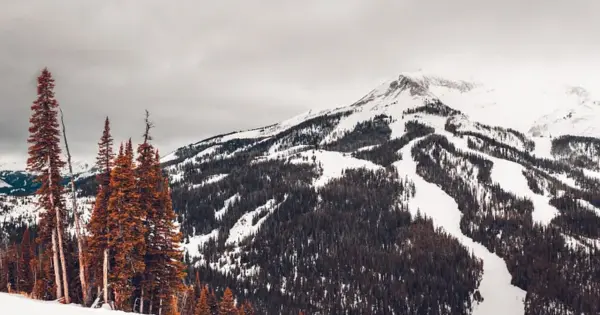
We need to talk about Big Sky Resort, because it served as our base camp for a chunk of these adventures and it earned that role without trying. The ski-in/ski-out lodging situation is legitimately convenient — we're talking "roll out of bed, click into bindings, be on a lift in eight minutes" convenient, the kind that makes you realize you've been wasting years on resorts that make you ride a shuttle first. The communal fireplaces in the lodge buildings aren't decorative; they're functional, smoke-slightly-in-your-face gathering points where strangers swap honest opinions about which runs were icy that morning and which patrol put the rope up in the wrong spot.
We spent more time than we'd like to admit in the outdoor hot tubs, watching snowflakes dissolve into the steam while the mountains turned pink and then purple at sunset. Nobody spoke much during those sessions. There was nothing to say.
Beyond Big Sky's own ski terrain — which is massive, 5,800 acres — we used the resort as a launching pad for guided backcountry trips into the Bitterroot Mountains. A private guide took two of us into terrain we had absolutely no business navigating on our own, through old-growth forest and across open bowls where our tracks were the only ones in every direction. It's not cheap, but if your budget allows it, the Bitterroots in winter are the kind of quiet that physically recalibrates your brain. You come out of there speaking slower and blinking more.
Snowshoeing Glacier and Yellowstone Without the Crowds Is Real and You Need to Do It
Here's a secret that somehow still surprises people: Montana's national parks are open in winter, and they're practically empty. We snowshoed in both Glacier National Park and Yellowstone, and the contrast with summer is staggering enough to feel slightly illegal, like you've been let backstage at a show everyone else has to pay full price for.
In Glacier, we joined a ranger-led snowshoe hike that covered maybe three miles but took the better part of a morning because the ranger kept stopping to point out animal tracks pressed perfectly into the powder, explain how trees survive under ten feet of snow without snapping, and tell stories about the park's geological history in the specific way only park rangers can — like they're just sharing something they find personally fascinating, which they clearly do. The only sounds were our snowshoes squeaking on dry powder and the occasional deep crack of a tree somewhere in the forest adjusting to the cold, which sounds like a rifle shot and makes everyone flinch simultaneously.
Yellowstone's winter snowshoe hikes are similarly ranger-led and similarly uncrowded. We saw a total of eleven other people across a four-hour hike. Eleven. In Yellowstone. In summer you'd see eleven people in eleven seconds, then eleven more bus tours, then a traffic jam caused by someone photographing a distant brown dot that may or may not be a bison.
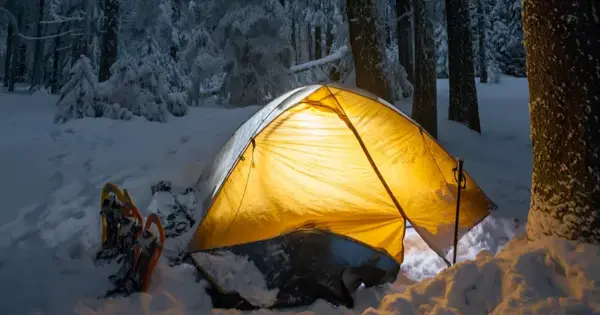
For the committed, Glacier Adventure Guides runs multi-day snowshoe tours that include — and we are not exaggerating — building your own igloo and sleeping in it. We did a two-night version. The igloo was warmer inside than you'd expect, hovering around 32°F, which feels tropical when it's negative 15 outside and the stars are so bright and sharp they look like a mistake. Falling asleep in a structure you built yourself, in a national park that's usually wall-to-wall RVs and Instagram tripods, felt genuinely like getting away with something.
Skijoring: The Most Montana Thing We Have Ever Witnessed With Our Own Eyes
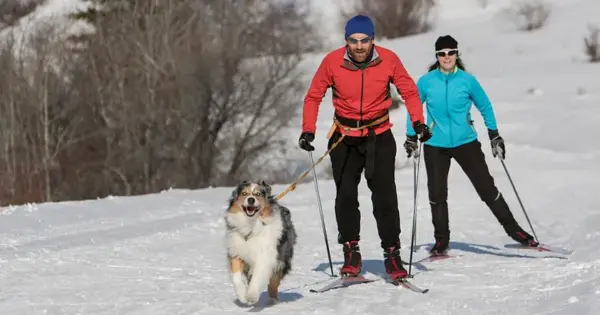
If you've never heard of skijoring, here's the pitch: a person on skis gets towed by a horse through a course with jumps and gates, at speeds that look genuinely inadvisable from the sideline. It's like waterskiing on snow, except the boat is a 1,200-pound animal that does not care about your comfort or your insurance deductible.
We watched the World Skijoring Invitational in Whitefish in January, and it was one of the most entertaining sporting events any of us has ever attended, including things we've paid real money for. The crowd energy sits somewhere between a rodeo and a ski race, with the added chaos of horses galloping full-speed down a snow-packed street while skiers launch off jumps behind them at angles that look medically inadvisable. People near us were placing friendly bets. Someone was eating a deep-fried something on a stick. The whole thing felt beautifully, chaotically, specifically Montanan — like it could not exist anywhere else and was not trying to.
The Whitefish Winter Carnival happens around the same time and layers on a disco party, a "penguin plunge" into freezing water (we watched; we did not participate; we have no regrets about this decision), and a Grand Parade through downtown Whitefish that shuts down the main street and draws the whole town out. If you can engineer your trip around the last week of January in Whitefish, do it. It's peak fun in the best possible way.
Ice Fishing on Flathead Lake: Slower Than You'd Think, Better Than You'd Expect
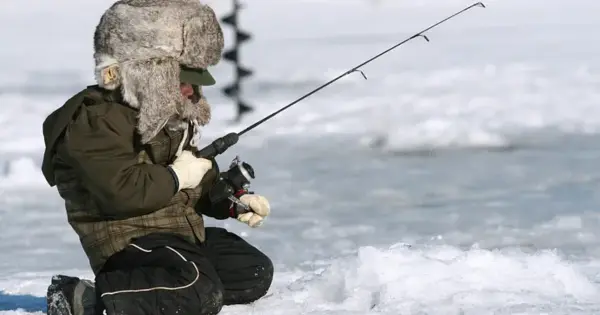
We'll level with you — ice fishing sounded boring to at least half the team. Sitting on a frozen lake, staring at a hole, waiting for something to happen. The pitch doesn't sell itself. But something happens when you're actually out there on Flathead Lake, surrounded by nothing but white and the enormous silence of a frozen Montana winter, and then the ice beneath you lets out a low, resonant groan that travels through your boots and up into your spine. We were assured this is completely normal. We did not feel reassured.
We went with Flathead Lake Charters, not far from Whitefish Mountain Ski Resort. They set us up in a heated shelter with tip-ups rigged for Northern Pike and perch, poured us bad thermos coffee, and then left us largely to our own devices. We told stories. We sat with the quiet. We watched the little flags on the tip-ups with the focus of people who have nothing else to watch. When the first flag popped, three grown adults sprinted across the ice like children chasing an ice cream truck, and the pike on the other end of that line fought hard enough to make us genuinely earn it — cold hands, slipping on the ice, laughing too hard to focus. We caught four fish that day and cooked two of them that night in a cabin, and that dinner — pike we'd pulled through a hole in a frozen lake six hours earlier — tasted better than it had any right to. Bring more hand warmers than you think you need. Then bring more.
Ice Climbing Hyalite Canyon Nearly Broke Us, and We Mean That as a Compliment
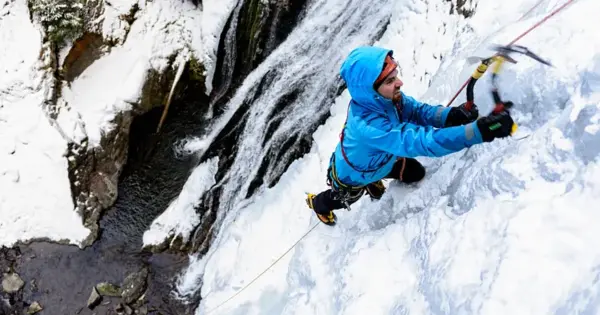
This one is not for everyone, and we say that with genuine respect rather than the condescending kind. Ice climbing in Hyalite Canyon — about 30 minutes south of Bozeman — is physically exhausting, mentally demanding, and completely exhilarating if you are wired for the particular pleasure of doing something difficult and slightly frightening. Two of us took a beginner course with Montana Alpine Guides, and by "beginner" they mean you will still be swinging ice axes and kicking crampons into the frozen face of a waterfall — you'll just be doing it on easier routes, with a guide who has seen the exact panic expression you are currently making many times before.
Hyalite Canyon has over 150 ice climbing routes, ranging from manageable for first-timers to routes that make experienced climbers stop and audibly reconsider their relationship with risk. The season runs from roughly October to April depending on conditions. What surprised us most wasn't the physical difficulty — it was the beauty, which felt like a cruel joke given the circumstances. Halfway up a frozen cascade called Winter Dance, one of us stopped — clinging to ice screws, breathing like a freight train, forearms screaming in a language with no translation — and looked out over the canyon below. Frozen waterfalls stacked on every wall. Sun hitting the ice at a low angle and throwing blue light across everything like the whole canyon had been lit by someone who cared too much. It was the most beautiful thing we saw on the entire trip, and we saw it while terrified, which made it better.
Montana Alpine Guides' intro course provides all the gear and enough instruction to keep you functional and safe. Just know going in that your forearms will be completely useless for approximately 48 hours afterward. Plan accordingly. Do not schedule anything that requires gripping on day two.
Hot Springs: The Only Correct Way to End Any Day in Montana Winter
After all of it — the dog sledding, the fat biking, the ice climbing, the fishing, the standing outside in negative temperatures watching a horse drag a skier over a jump at speeds that defy sensible judgment — we ended almost every day the same way: in hot springs, motionless, until our bones stopped arguing with us.
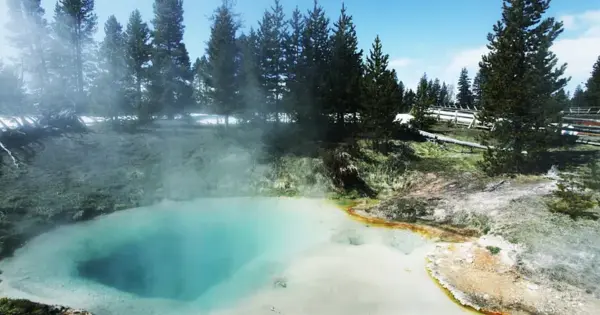
Montana has natural hot springs scattered across the state in a way that suggests the geology is apologizing for the winters. Slipping into one after a full day of winter adventure is the kind of pleasure that borders on spiritual and definitely borders on loud sighing from strangers. The steam curls up around your face. Your muscles unclench one by one, like a fist slowly opening. If it's snowing — and in Montana in January, it often is — the flakes land on your hair and dissolve while the rest of you is submerged in water pushing 104°F. The contrast is almost hallucinatory. We tried springs near both Bozeman and Missoula, and the experience was excellent across the board. Some are developed with proper pools and changing rooms; others are more rustic, more "you found this on a hand-drawn map someone gave you at a gas station and you feel extremely smug about it." Both versions are the right answer.
We won't pretend Montana's winter is comfortable in any conventional sense. It's cold in ways that seriously test your gear, your resolve, and your commitment to the idea that this was a good plan. But that's exactly what makes every warm moment feel earned rather than ambient. The contrast between the sharp, biting outdoor hours and the moments of heat — a fireside beer, a lodge hot tub, a spring that shouldn't be this perfect — creates a daily rhythm that feels satisfying in a way that's almost impossible to replicate in a warm-weather destination. We came for eight activities and left with the kind of stories that require a second drink before you can really tell them right. Montana in winter isn't just worth the cold. For our money, it might be the better season.
Plan your Montana winter trip with Travelfika and skip the logistical headaches.
What are the best winter activities in Montana?
We tried eight and they all delivered, which honestly annoyed us because we were hoping to cut this down to a shorter list. The standouts: dog sledding in Olney on the 12-mile Eskimo Roller Coaster trail with Dog Sled Adventures is the kind of morning that sets an unfair benchmark for everything else. Ice climbing in Hyalite Canyon outside Bozeman is the most physically demanding thing on this list and produced the single best view of the entire trip. Snowshoeing in Glacier National Park in winter, practically alone, with a ranger who actually knows things, is something everyone should do at least once. Fat biking the Whitefish Trail is meditative in a way we did not expect and would not have believed if someone told us in advance. And watching skijoring at the World Skijoring Invitational in Whitefish is pure chaotic Montana joy. Ice fishing on Flathead Lake and hot springs afterward make the perfect recovery day. Big Sky Resort ties everything together as a base of operations.
Is Montana a good destination for a winter vacation?
It's genuinely phenomenal, but be honest with yourself about cold tolerance before you book. We're talking days that don't crack 10°F and nights that slide to negative 15 or below without apology. If that range of temperature excites you — or at minimum doesn't scare you off — Montana in winter is one of the best adventure destinations in the country right now. The crowds essentially vanish. The landscapes are so dramatically different from summer that it feels like a different park system entirely. And the range of activities spans from genuinely extreme (ice climbing, backcountry skiing) to deeply peaceful (hot springs, snowshoe hikes), which means you can build a week that matches your exact energy level without compromise.
When is the best time to visit Montana in winter for snow activities?
January and February are peak season, full stop. Snow coverage is most reliable, ice climbing conditions in Hyalite Canyon are typically at their best, and the skijoring and dog sled racing events happen in late January. The Whitefish Winter Carnival runs in the same window and adds a whole layer of local chaos to the trip. December works well for skiing at Big Sky — sometimes the snow is excellent that early — but some of the more specialized activities like multi-day guided snowshoe tours in Glacier and igloo-building trips tend to run January through March when conditions are most consistent. We'd aim for the last two weeks of January if you can only go once.
Can you actually visit Glacier National Park and Yellowstone in winter?
Absolutely, and we'd argue it's the best time by a significant margin. Glacier's Going-to-the-Sun Road closes to vehicles in winter, but ranger-led snowshoe hikes operate on the accessible portions of the park and the whole place is eerily, beautifully empty. You hear animal tracks explained in detail instead of having someone's selfie stick in your peripheral vision. Yellowstone runs winter snowshoe programs throughout the season and you can access large portions of the park via snowcoach or guided tour. For context: we saw eleven people total across a four-hour Yellowstone snowshoe hike. In summer, you'd encounter eleven people in eleven seconds, followed by a traffic jam caused by someone photographing a possibly-bison-shaped brown dot on a distant hillside.
What is skijoring and where can I see it in Montana?
Skijoring is a sport where a skier is towed by a horse — or sometimes a dog — through a course featuring jumps and gates, at speeds that look completely irresponsible and are extremely entertaining to watch from the sideline. The World Skijoring Invitational takes place in Whitefish every January and draws competitors from across the region. The atmosphere is part rodeo, part ski race, part small-town festival where everyone seems to know everyone. The Whitefish Winter Carnival typically overlaps the same weekend, adding parades, parties, and a polar plunge into the lake that we watched with great appreciation and zero personal participation.
Do I need prior experience for ice climbing in Hyalite Canyon?
No prior experience required, but reasonable fitness is not optional. Montana Alpine Guides runs beginner courses that include all gear and instruction, and they're good at calibrating the day to your ability level. What they cannot prepare you for is the specific forearm failure that kicks in around hour two, which is why we tell everyone: your arms will stop working for approximately 48 hours after the course, so schedule accordingly and do not plan anything grip-dependent the next morning. Hyalite has over 150 routes ranging from beginner-friendly to routes that give experienced climbers pause, so there's real progression available if you come back. The season runs October to April depending on conditions.
Is ice fishing on Flathead Lake worth doing?
If you go in with the right expectations, genuinely yes. It is not a fast-paced activity. It is slow and cold and meditative and punctuated by brief, genuine bursts of excitement when a tip-up flag pops and everyone moves faster than they should on a frozen lake. Flathead Lake Charters handles all the setup and provides heated shelters, which makes the whole experience dramatically more comfortable than the words "ice fishing" suggest to someone who has never done it. We caught Northern Pike and perch, cooked two of the fish in a cabin that night, and the whole day had a satisfying arc to it that a lot of adventure activities don't manage. Bring extra hand warmers. More than you think. Then add one more pocket's worth.
Where should I stay for a Montana winter trip?
It depends entirely on what you're optimizing for. Big Sky Resort is the right choice if skiing is your primary activity — the ski-in/ski-out access is genuinely as convenient as advertised, and it's a strong base for backcountry trips into the Bitterroots. Whitefish is the better hub if you want fat biking, dog sledding, skijoring, ice fishing, and the Winter Carnival all within reach of each other without significant driving. Bozeman is the call for ice climbing in Hyalite Canyon and has the most developed restaurant and nightlife scene of the three, which matters after a day where your forearms stopped functioning. If you have a week or more, we'd split time between at least two of these towns — they're different enough in character that the contrast is worth the logistics.