Discovering London on a Budget: A Journey of Thrift and Wonders
Discovering London on a Budget: A Journey of Thrift and Wonders
6 min read
London on a budget is not a compromise. That's the first thing to get straight. London has a reputation for being expensive, rainy, chaotic, and worth every penny, but the part the travel industry skips over is that you don't actually need that many pennies to have a genuinely great time here. We've done this city the broke way, the smart way, and the "somehow ended up with change left over for a pint" way, and honestly, some of our best days in London have cost us almost nothing.
The Oyster Card: Your First Move for London on a Budget
We made the mistake exactly once of buying a single paper ticket on the Tube. It cost £6.70 to go from Zone 1 to Zone 2. One stop. One. The guy behind us at the machine physically winced on our behalf. The Oyster card fixes all of that. The same journey drops to £2.70 in off-peak hours, and there's a daily cap of around £8.10 for Zones 1 and 2, which means once you've hit that ceiling, every journey you take for the rest of the day is completely free. London is essentially handing you free rides and most tourists don't even know it.
If you're staying a full week, the weekly cap of £40.70 is your best friend. We once did six straight days of Tube-hopping, park-walking, and market-diving and never came close to blowing past it. Buses are covered too, and there is something deeply satisfying about tapping in and gliding through the city like you've lived here for years. Pick up the card at any Tube station when you land, load it up, and never look back.
Your Key to Effortless Travel
Meet Travelfika
Planning a trip should be exciting, not exhausting—and that's where Travelfika comes in! With our smart AI-powered tools, insider tips, and seamless planning features, we make travel easier than ever.
Whether you're crafting the perfect itinerary, discovering hidden spots, or getting real-time recommendations, Travelfika has your back. No more endless research or last-minute stress—just smooth, effortless travel planning tailored to you. So go ahead, dream big, explore more, and let Travelfika handle Read More
Planning a trip should be exciting, not exhausting—and that's where Travelfika comes in! With our smart AI-powered tools, insider tips, and seamless planning features, we make travel easier than ever.
Whether you're crafting the perfect itinerary, discovering hidden spots, or getting real-time recommendations, Travelfika has your back. No more endless research—just smooth, effortless travel planning tailored to you.Read More
Planning a trip should be exciting, not exhausting—and that's where Travelfika comes in! With our smart AI-powered tools, insider tips, and seamless planning features, we make travel easier than ever.
Whether you're crafting the perfect itinerary, discovering hidden spots, or getting real-time recommendations, Travelfika has your back.Read More
Planning a trip should be exciting, not exhausting—and that's where Travelfika comes in! With our smart AI-powered tools, insider tips, and seamless planning features, we make travel easier than ever. Read More
Planning a trip should be exciting, not exhausting— and that's where Travelfika comes in! With our smart AI-powered tools, insider tips, and seamless planning features. Read More
The British Museum Will Ruin You (In the Best Way)
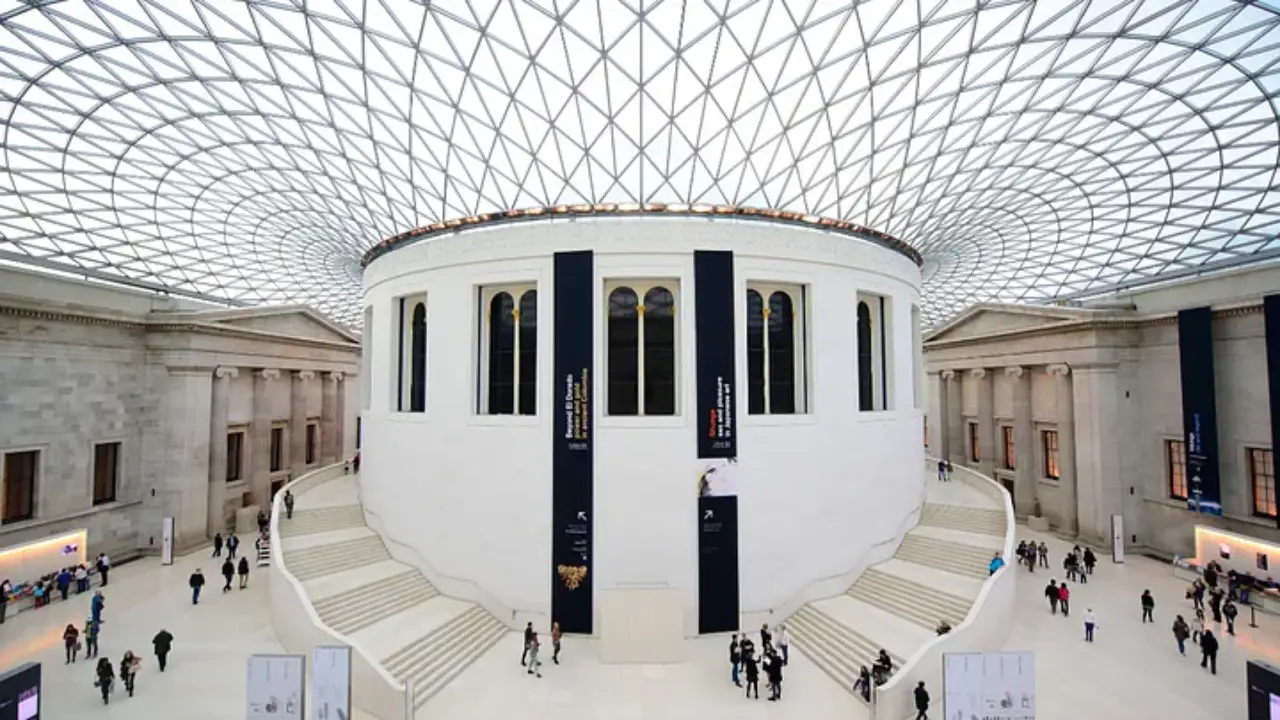
We walked into the British Museum expecting to spend an hour. We walked out four hours later, slightly dazed, having stared at the Rosetta Stone so long one of us genuinely got emotional about ancient Egypt. Admission is completely free, which feels almost absurd when you're standing a few feet from artifacts that are literally thousands of years old. Egyptian mummies, Roman treasures, the Easter Island Moai. It's the kind of collection that makes you realize a single museum in London contains more history than entire countries.
You can pay for a guided tour or an audio guide if you want, but we've wandered these halls both ways and the free-roaming approach has its own magic. You can linger in rooms nobody else is visiting, get weirdly fixated on a single object, and leave whenever you feel like it. No rush, no schedule, just history, and it costs nothing.
Hyde Park and Kensington Gardens: London's Best Free Therapy
There's a particular kind of afternoon we've had in Hyde Park that we keep chasing everywhere else and never quite finding. It smells like cut grass and distant coffee carts. There are dogs everywhere. Somebody nearby is reading something that looks extremely important. And at Speakers' Corner, there's always at least one person delivering an intensely passionate monologue about something, politics, philosophy, the price of housing, the moral failings of the modern world, while a small crowd nods along or heckles. It's free theatre and it's better than most paid-for entertainment in this city.
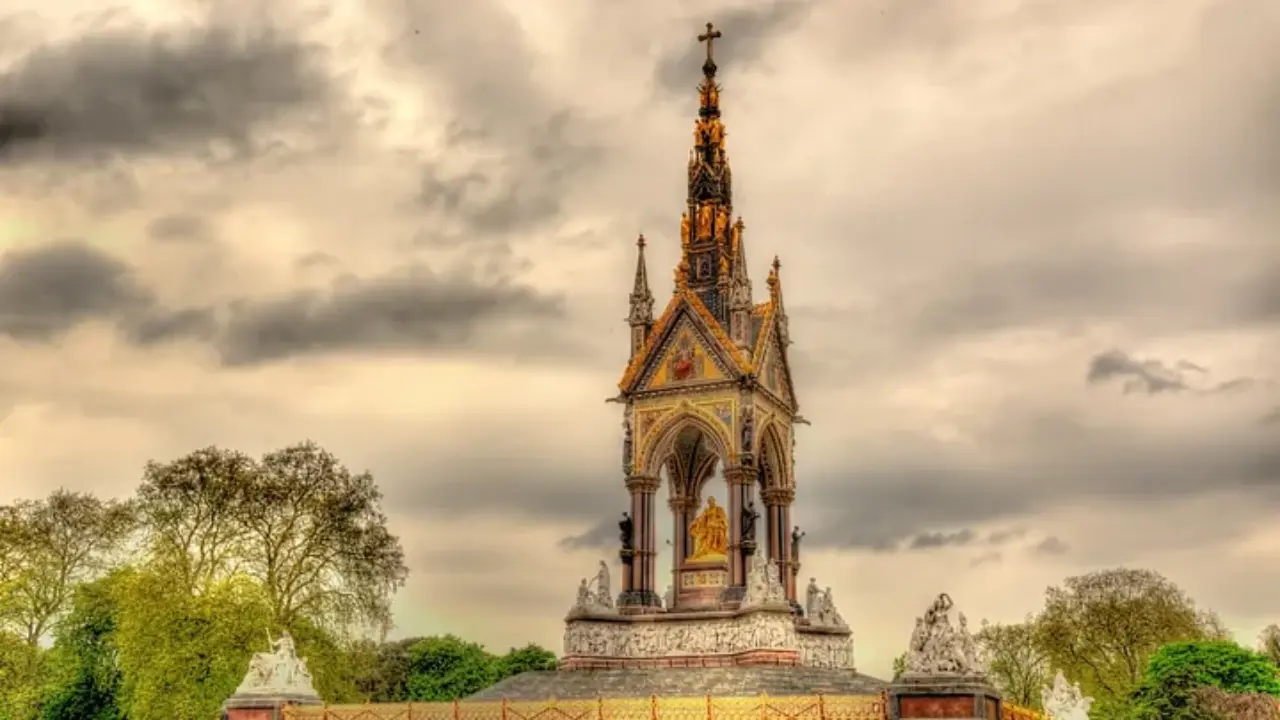
Kensington Gardens flows directly from Hyde Park without any obvious border, and together they form an enormous green lung in the middle of one of the most expensive cities on earth, entirely and gloriously free. We've spent whole afternoons here doing nothing more than walking, grabbing a kebab from a cart near the park entrance (do not skip this, it's cheap and it hits harder than it has any right to), and sitting by the Serpentine lake watching swans cause problems for the pedalo boats.
Portobello Market: Controlled Chaos and Excellent Chaos
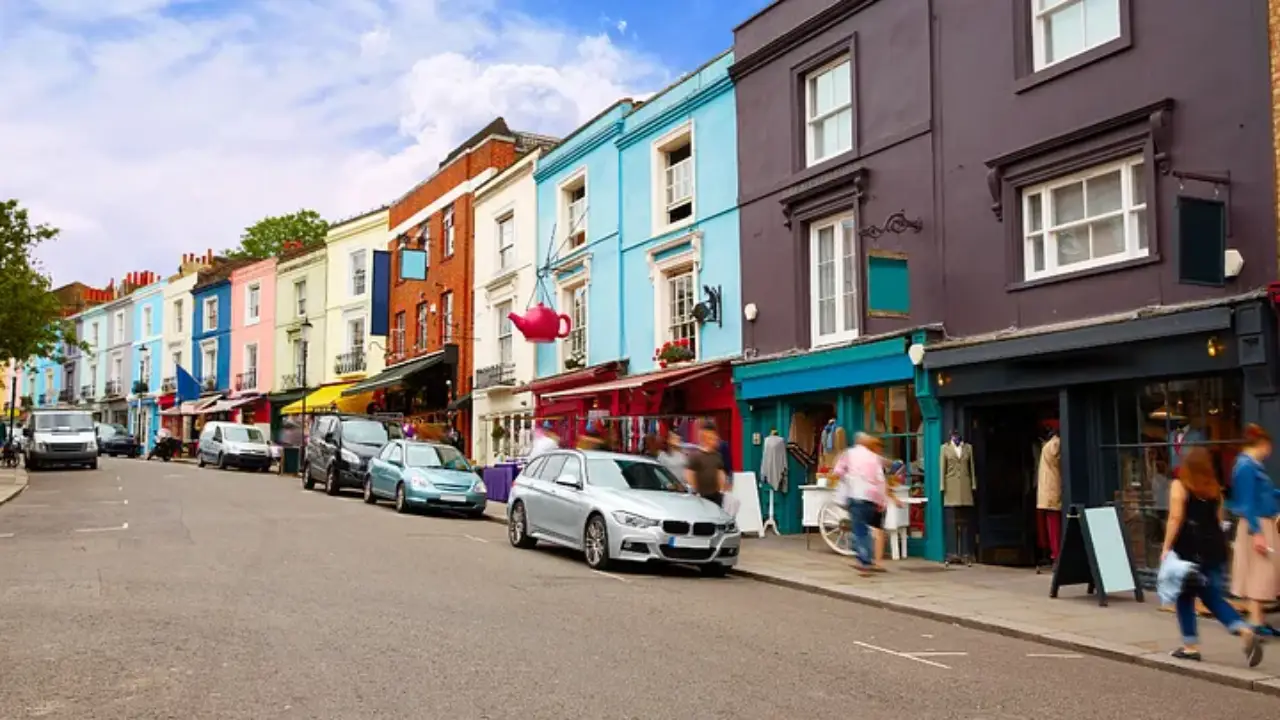
Saturday morning at Portobello Market is sensory overload in the best possible way. The smell hits you first, fried something, old wood, someone burning incense nearby that is slightly too strong. Then the noise: vendors calling out, records playing from stalls, the general roar of a few thousand people all convinced they're about to find something brilliant.
And sometimes they do. We found an antique camera for £12, a leather jacket for £20 that looked like it had a whole story already attached to it, and street food we still think about months later. Portobello runs through Notting Hill and changes character as you walk north to south. Antiques at the top, street food in the middle, vintage clothing further down. You don't even need to buy anything. Half the joy is walking through it, watching the negotiation, eating something wrapped in paper while standing on a cobblestone street. It's one of those London experiences that feels both deeply local and totally cinematic at the same time.
The Free Landmarks London Basically Hands You
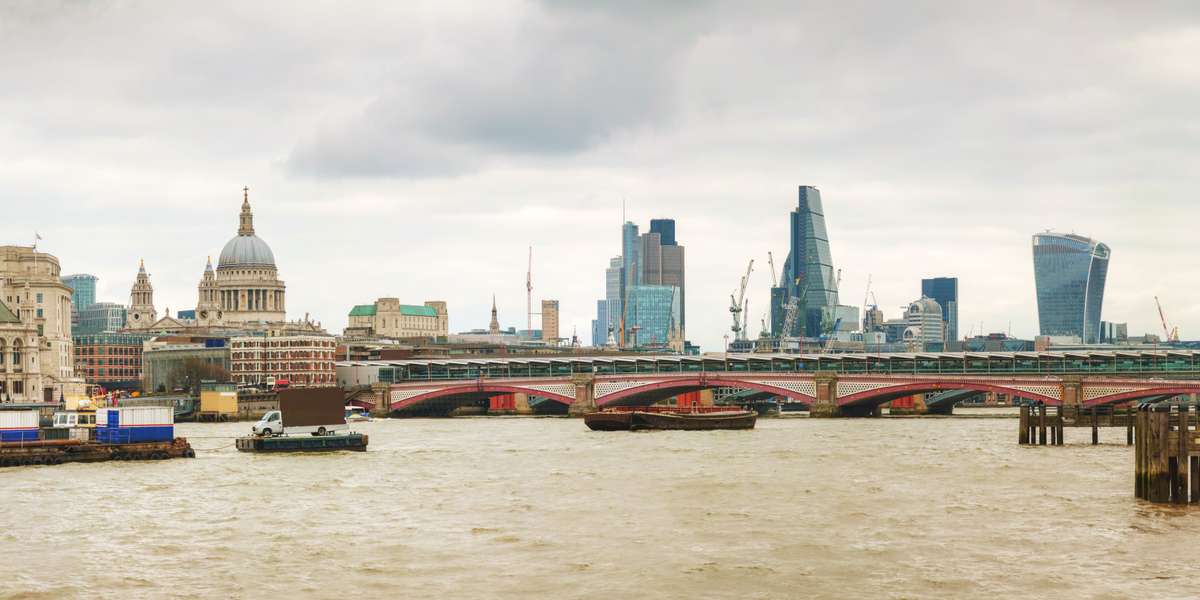
Here's something it took us a while to properly appreciate: an enormous amount of London's most iconic sights cost absolutely nothing to see. Big Ben and the Houses of Parliament are right there, free, massive, and so aggressively photogenic you'll take seventeen photos before you realize you've stopped walking. Getting inside Parliament requires a ticket, but standing on Westminster Bridge watching the whole scene reflected in the Thames at golden hour costs nothing, and honestly it's the better experience anyway.
Trafalgar Square is another one. Nelson's Column, the fountains, the pigeons with extremely poor boundaries, and right there on the north side, the National Gallery, one of the genuinely great art collections in the world, completely free. We've ducked in there to escape the rain and ended up staying two hours, standing in front of Van Goghs and Monets we'd only ever seen in textbooks.
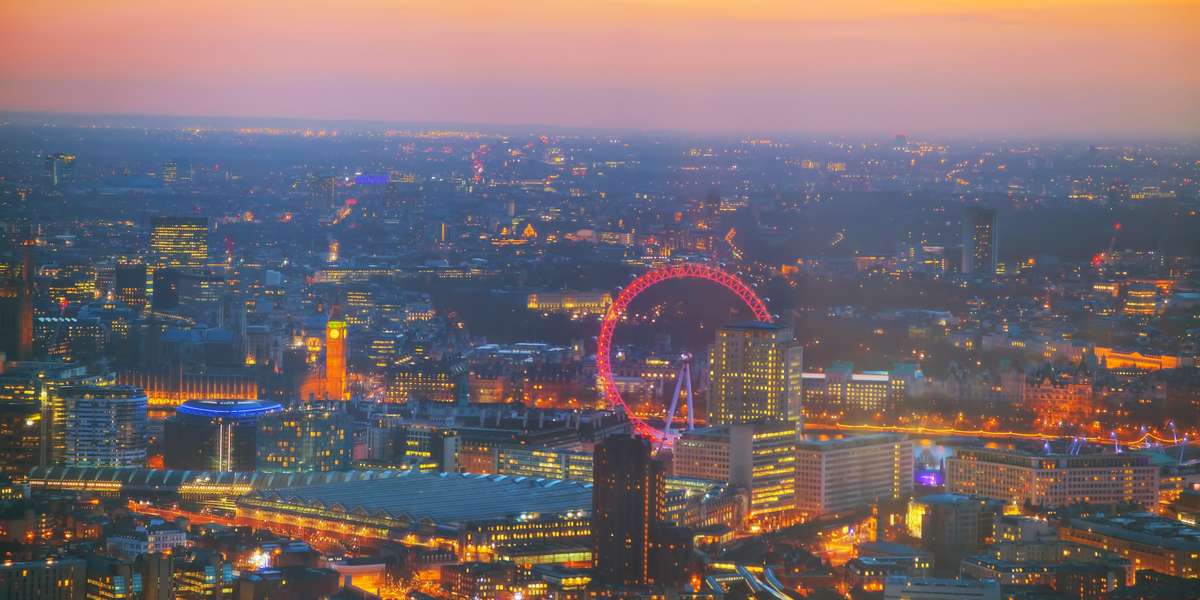
The South Bank deserves its own afternoon. Walk east along the Thames from the London Eye, past street performers and food stalls and the smell of crepes mixing with river air, and you'll pass the Tate Modern (also free), the Globe Theatre, Borough Market, and eventually Tower Bridge, all without spending a single pound on admission. It is one of the great free walks in Europe and it's not close.
Eating in London Without Financing Your Meal on a Payment Plan
London has a reputation for expensive food, and that reputation is earned if you eat in the wrong places. But we've stuffed ourselves absolutely senseless in this city for the cost of a coffee back home, and the trick is knowing where to go.
Borough Market near London Bridge is the obvious answer and it deserves every bit of the hype. We're talking a pulled pork sandwich the size of your head, fresh pasta tossed in front of you, Ethiopian food, Venezuelan arepas, wheels of cheese you'll want to propose to, all at prices that make sitting in a proper restaurant feel genuinely foolish. Go hungry. Go on a weekday if you want fewer elbows in your face, but the Saturday crowd is part of the experience and you shouldn't try to avoid it.
Brick Lane is where you go when you want curry that costs less than a bus fare and tastes like it took someone's grandmother three hours to make. The curry houses here are competitive in a way that works entirely in your favor. Restaurants negotiate. They offer deals and wave menus at you from the doorways. It is chaotic and delicious and one of those pure London experiences that no other city quite replicates.
Camden Market is worth the trip too, less for the market itself and more for the food stalls in the back section: falafel wraps, Japanese street food, Jamaican jerk chicken with rice and peas. And if all else fails, the supermarkets here are stocked with incredible ready-made food. We once had a full Marks and Spencer picnic in Regent's Park for under a tenner between four of us, and it was genuinely one of the better meals of the trip.
Where to Sleep Without Selling a Kidney
This is where a lot of budget London trips fall apart. The city has no shortage of cheap accommodation: hostels, guesthouses, chain budget hotels, serviced apartments. But finding the right one at the right price takes some digging. For backpackers, the hostel scene in areas like Elephant and Castle, King's Cross, and Bethnal Green has gotten genuinely good. Clean, social, run by people who understand their guests are not there to pay £200 a night. Book ahead if you're coming in peak summer. London fills up fast and the good cheap beds go first.
The Honest Truth About London on a Budget
London rewards people who are willing to walk, explore, and eat like locals. The tourist traps are obvious and expensive and you should skip them without guilt. The city's best moments, the ones we still talk about, cost almost nothing: an afternoon in Hyde Park, getting lost in the British Museum's Egyptian rooms, eating a curry on Brick Lane while rain hammered the window, stumbling onto a free concert outside the National Theatre on a Tuesday evening.
You don't need to be flush to love London. You need an Oyster card, decent shoes, and the willingness to follow your nose. The city will do the rest.
Discovering London on a Budget: FAQs
What's the best way to save on getting around London?
Get an Oyster card the moment you land. A single Tube journey without one costs £6.70. With the Oyster card, that same trip drops to £2.70 in off-peak hours. There's a daily cap of around £8.10 for Zones 1 and 2, meaning every journey after that point is free. The weekly cap sits at £40.70, which covers buses too. Stop buying paper tickets immediately.
Are there genuinely free things to do in London, or is that a myth?
Completely real, and better than most cities come close to offering. The British Museum, National Gallery, Natural History Museum, and Tate Modern are all free. Then add:
Hyde Park and Kensington Gardens
The South Bank walk along the Thames
Trafalgar Square
The view of Big Ben from Westminster Bridge
We've had full, genuinely great days in London spending nothing on admission. The free offer here embarrasses most other European capitals.
How do we find affordable flights to London without spending hours searching?
Set a price alert a few weeks out and be flexible on dates. London is one of the most well-connected cities in the world, so deals exist if you're not locked into specific travel days. Budget carriers from most European cities make it even cheaper. Avoid school holiday windows and you'll almost always find something reasonable.
Where can we find cheap hotels in London that aren't depressing?
The budget hotel market has genuinely improved. Premier Inn and Travelodge both punch above their price point and are consistently clean. For hostels, look at:
Bethnal Green
Elephant and Castle
King's Cross
These neighbourhoods have solid, social hostel scenes without the Zone 1 price premium. Book early if you're traveling in summer. The good cheap beds go first and they go fast.
Where should we actually eat in London without spending a ridiculous amount?
Borough Market gives you the best food-per-pound ratio in the city: pulled pork sandwiches, global street food, cheese worth getting emotional over. Brick Lane delivers curry under a tenner that tastes like it took all day to make. Camden Market covers international street food when you want variety. And a supermarket picnic in one of London's parks, specifically Marks and Spencer with a bench in Regent's Park, beats a mediocre tourist-area lunch every single time.