What is the Natural Pool in Aruba and how do you get there?
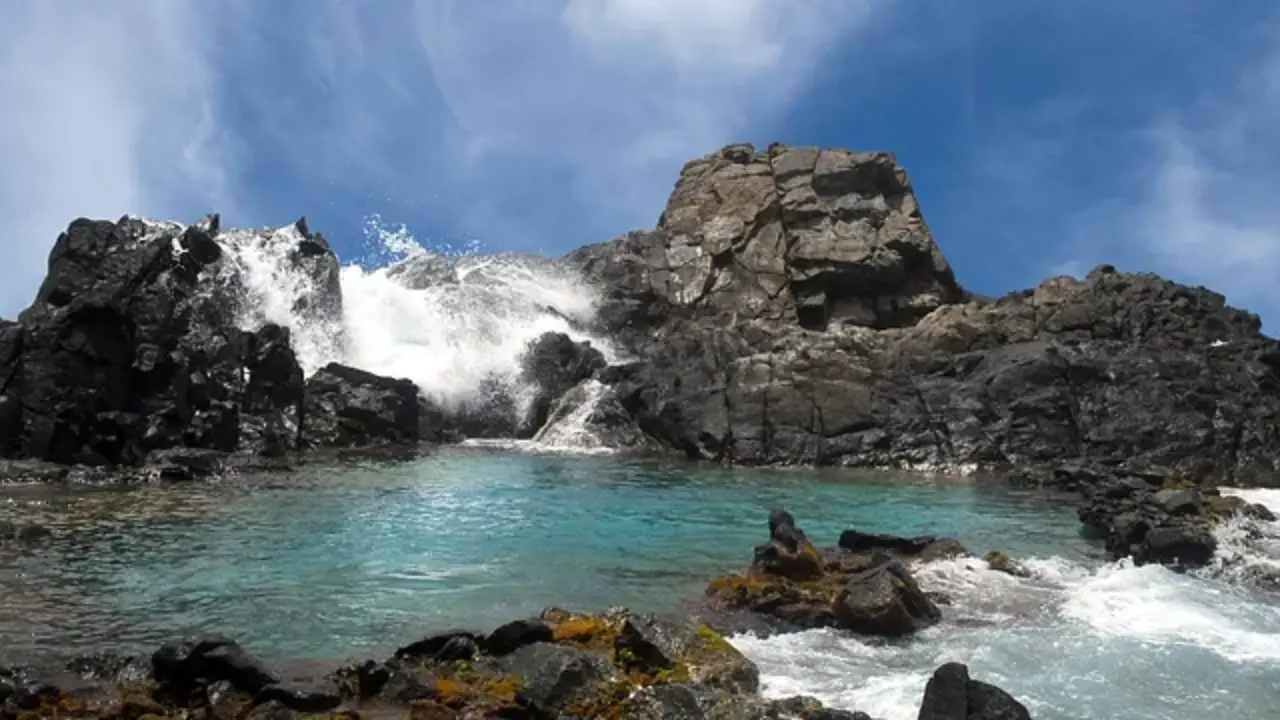
The Natural Pool — known locally as Conchi — is a secluded swimming hole inside Arikok National Park on Aruba's northern coast. It's essentially a circular pool of calm, clear water sitting inside a ring of volcanic lava rock, with the open Atlantic hammering the outside of those rocks while the pool itself stays protected and eerily tranquil. You can only reach it by 4x4, either on a guided tour or in a rental if you're genuinely comfortable driving seriously rough terrain. The road — and we use that word generously — crosses lava fields and dry riverbeds and takes roughly 30 to 45 minutes from the park entrance. Every single minute of it reminds you why you rented the 4x4 instead of a sedan. Bring waterproof shoes, snorkel gear if you have it, water, and realistic expectations for your back. The park entrance fee applies.
Is the Alto Vista Chapel worth visiting, and when is the best time to go?
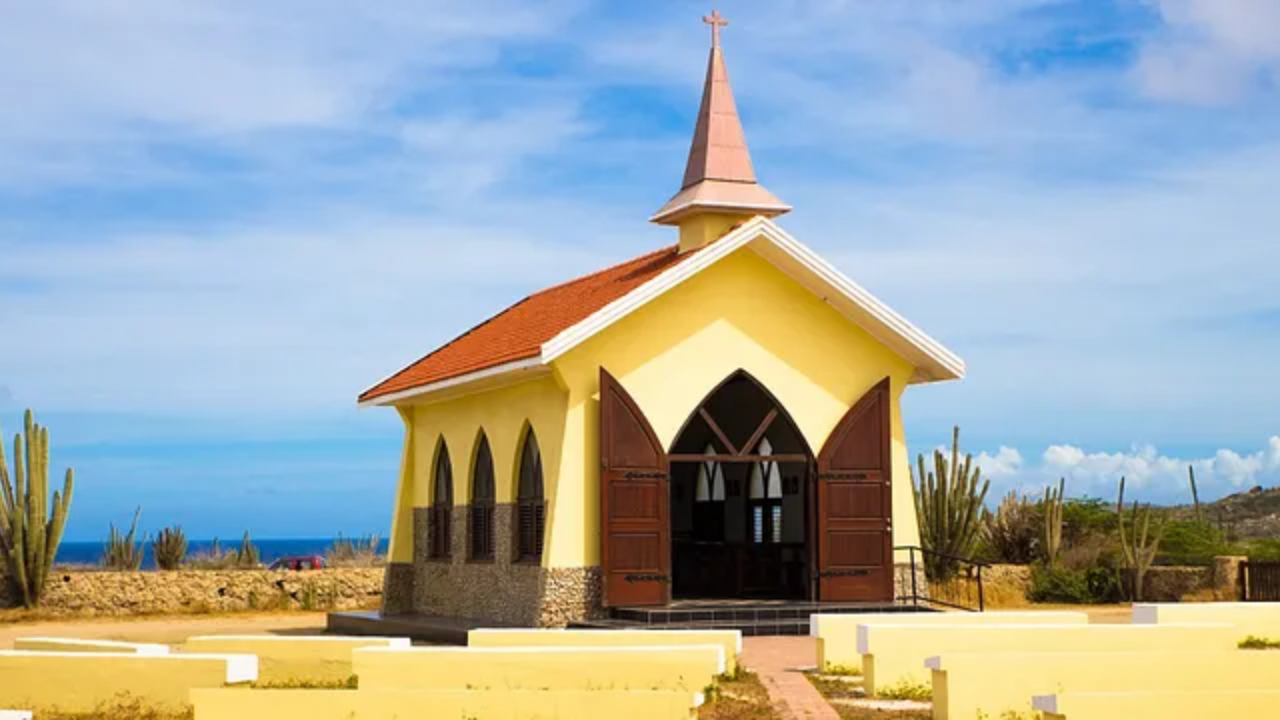
Yes, unequivocally. The Alto Vista Chapel is one of the oldest religious sites in Aruba — roots going back to 1750 — and it sits alone on a desert hillside in the island's northeast, ringed by cacti and a road lined with crosses leading up to it. It's small, it's quiet, and it has the kind of atmosphere that tends to stop people mid-sentence without warning. Sunrise is the move: golden light over the desert, almost no other tourists around, and a stillness that feels genuinely rare. It's free to visit and takes maybe 20 minutes out of your morning, but it has a way of lingering in your memory considerably longer than that. Do not skip this because you want to sleep in.
Can you tour the Balashi Brewery in Aruba, and do you need to book in advance?
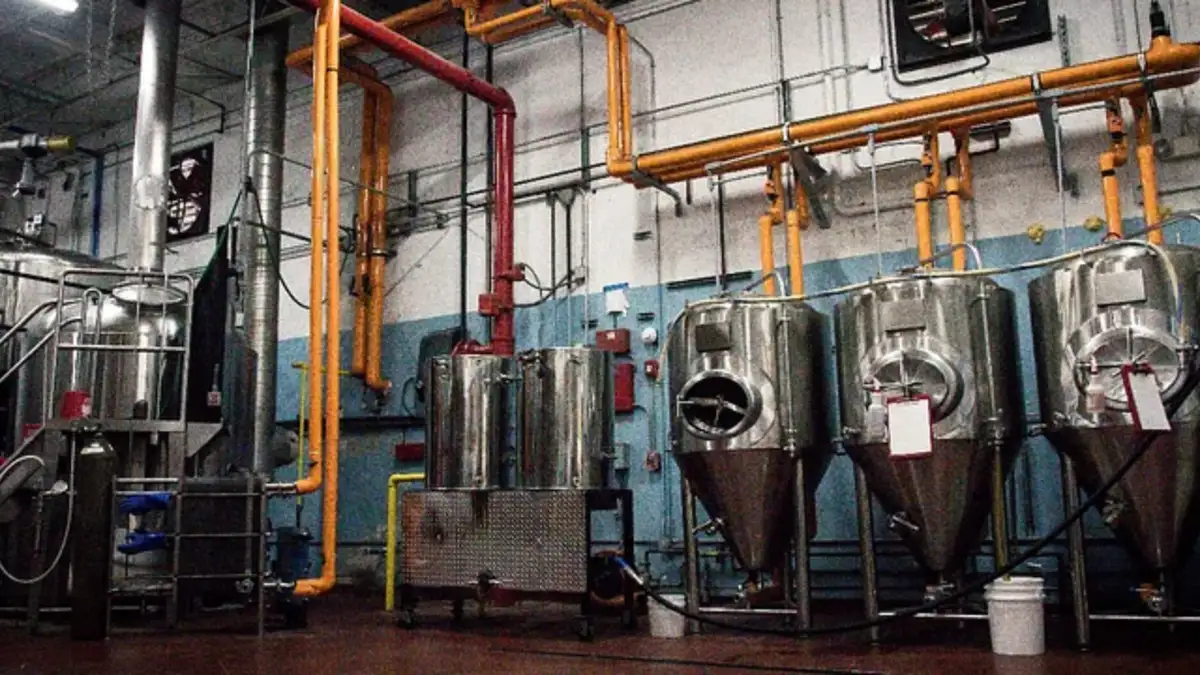
Yes, Balashi Brewery offers guided tours, and it's one of the more enjoyable couple of hours you can spend when you're not on the beach. The tour covers the full brewing process — Balashi uses local water, Scottish malt, and German hops, a combination that sounds unlikely on paper but produces a genuinely solid lager — and ends with tastings in the open-air beer garden. Closed-toed shoes are required for the production floor portion, so don't show up in flip-flops thinking you'll charm your way through. Booking ahead is a good idea during peak season, though walk-ins are sometimes accommodated. The brewery sits near the airport on the island's south side and pairs well on a half-day loop with the California Lighthouse or Natural Bridge.
What happened to Aruba's Natural Bridge, and is it still worth seeing?
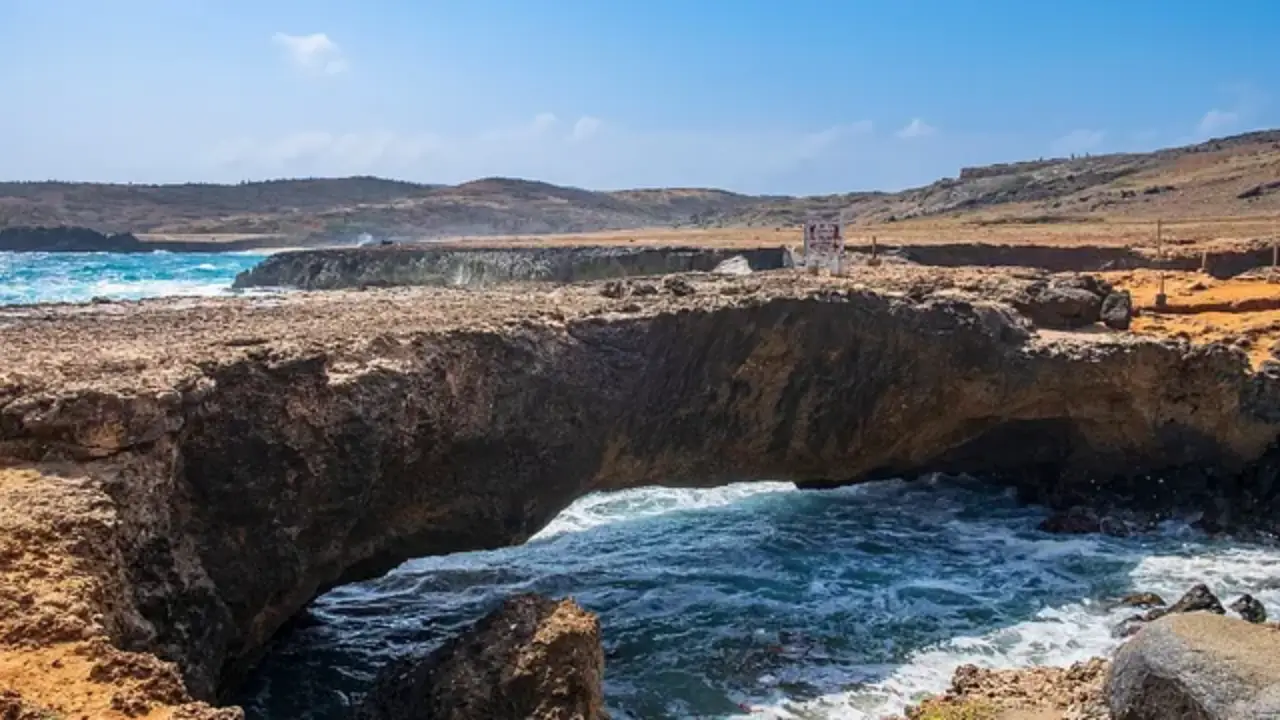
Aruba's famous Natural Bridge — once the largest coral rock arch in the Caribbean — collapsed in September 2005 after centuries of being relentlessly worked over by the Atlantic Ocean. What remains is a smaller intact secondary bridge nearby and the rubble of the original along the rocky coast. Whether it's worth seeing depends entirely on what you're after. If you want a dramatic arch to photograph, manage your expectations hard. If you're interested in what raw coastal geology actually looks like when a ocean has been doing its thing undisturbed for centuries, it's genuinely interesting. The eastern coastline there is dramatic and windswept, the contrast with the calm western beaches is striking, and the whole thing is free and quick — easy to fold into a drive along the coast.
What is the history behind the California Lighthouse in Aruba?
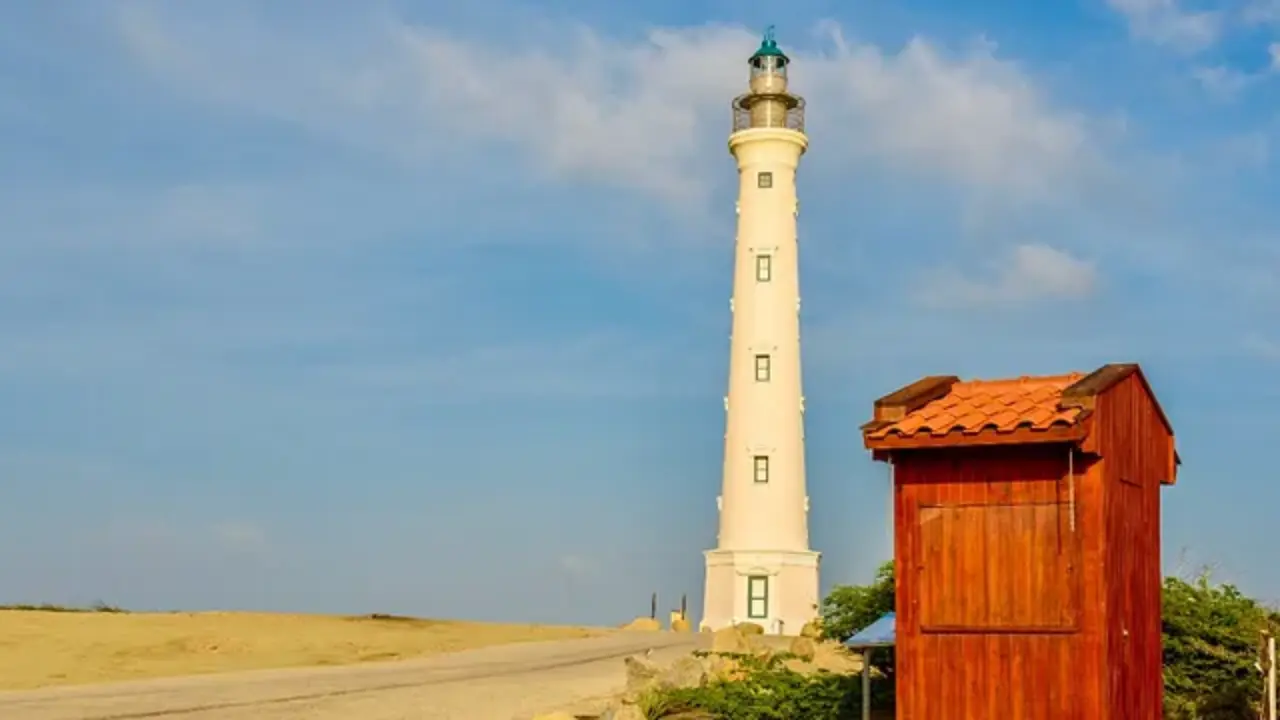
The California Lighthouse was built in 1916 and takes its name from the SS California, a passenger ship that ran aground just offshore in 1891. The wreck is still out there on the seabed. The lighthouse sits on the island's northwest tip, and the views from the base and surrounding area are some of the best on Aruba — you get the full sweep of the western coastline and open water in both directions. Climbing the lighthouse itself isn't currently permitted, which remains a genuine shame, but the restaurant operating in the former lighthouse keeper's house is a serious spot for a meal with extraordinary views. Go at sunset. The light goes from golden to silver in about twenty minutes, the wind off the ocean picks up like it means it, and the whole thing feels a bit cinematic in a way that doesn't embarrass itself.