Which Hawaiian island is best for a winter vacation?
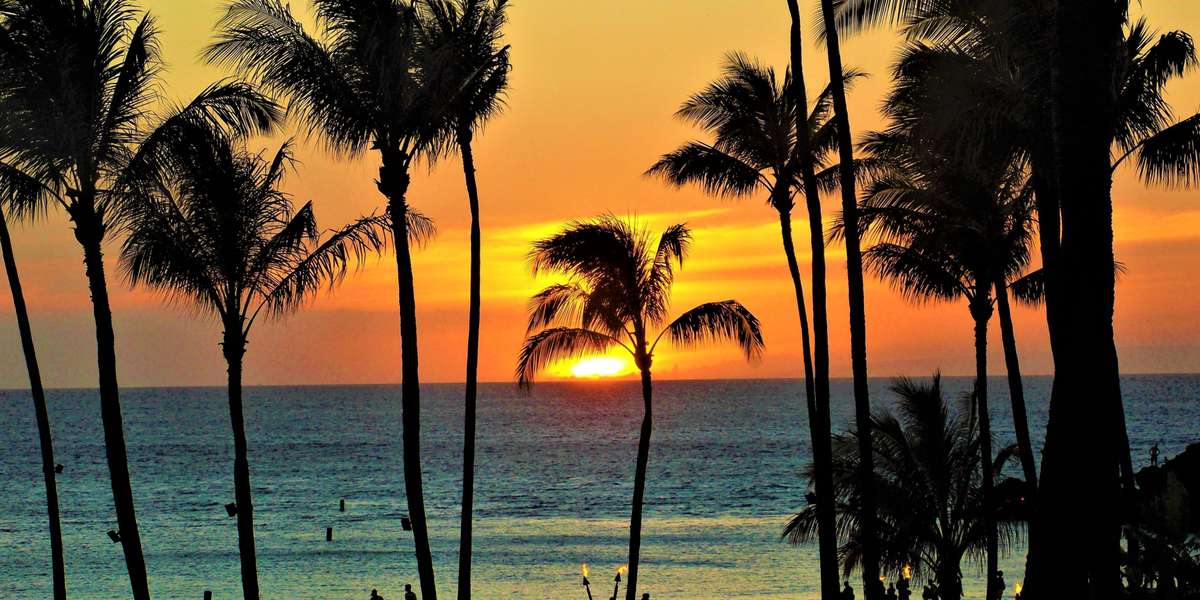
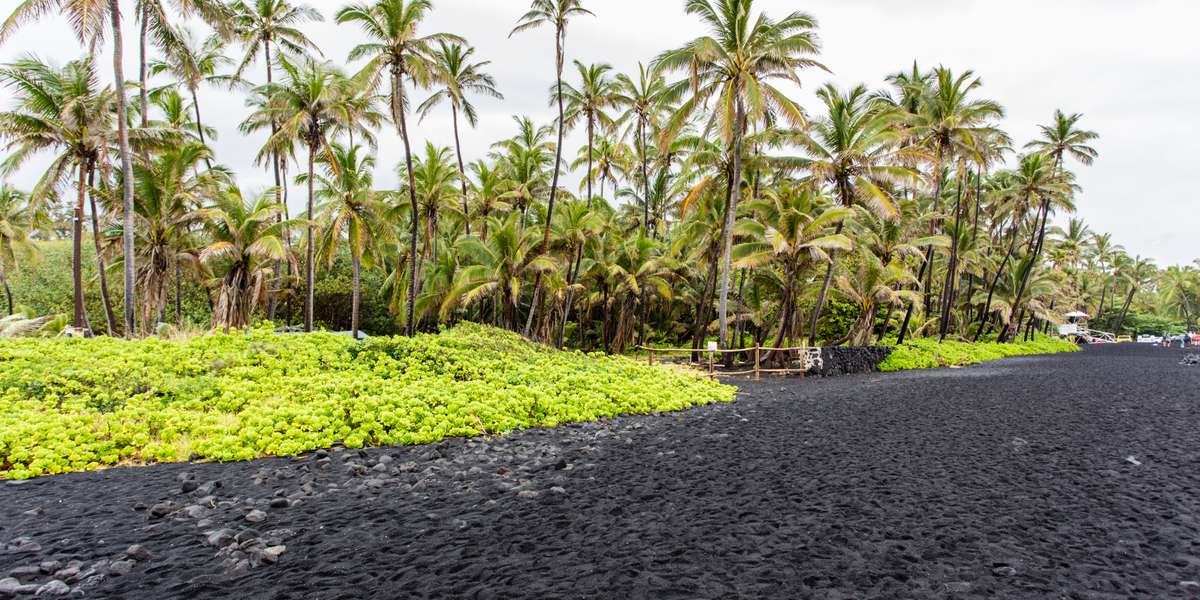
Honestly, it depends on what you're after, and we've argued about this at length over airport beers. If you want pure beach relaxation with gorgeous weather and one genuinely transcendent nature experience, Maui wins. If you want to feel like you're on another planet — active volcanoes, black sand beaches, manta rays at night — the Big Island is the one. And if you want the most things happening in one place, history mixed with surf culture mixed with serious food, Oahu delivers. We usually tell people to pick two if the budget allows. Winter is the right time for all three.
What is the weather like in Hawaii in December, January, and February?
Surprisingly pleasant, and that's the whole point of going. Most of the island coastlines sit between 70°F and 82°F (21–28°C) across December through February. It's not summer-hot, but it is absolutely swim-in-the-ocean warm. There's more rainfall in winter than summer, especially on the windward (east-facing) sides of each island, but it tends to come in short bursts rather than all-day drizzles. The North Shore of Oahu gets serious winter swells — great for watching surf, less great if you're a beginner trying to paddle out. On Maui, January kicks off humpback whale season, which is a genuinely ridiculous bonus that costs you nothing extra.
Is Hawaii expensive in winter?
Yes, and we won't pretend otherwise. Winter is peak season for Hawaii, which means flights and resorts cost more than they do in, say, September. That said, the experience justifies the price in ways that a lot of expensive destinations don't. You can manage costs by booking flights and accommodations well in advance — we're talking three to four months out for the better properties. Eating like a local helps too: plate lunches from roadside spots on any island run you maybe ten to twelve dollars and are often better than the forty-dollar hotel restaurant version. Hawaii is not a budget destination, but it's also not a trip you do halfway.
What should I pack for a Hawaii winter vacation?
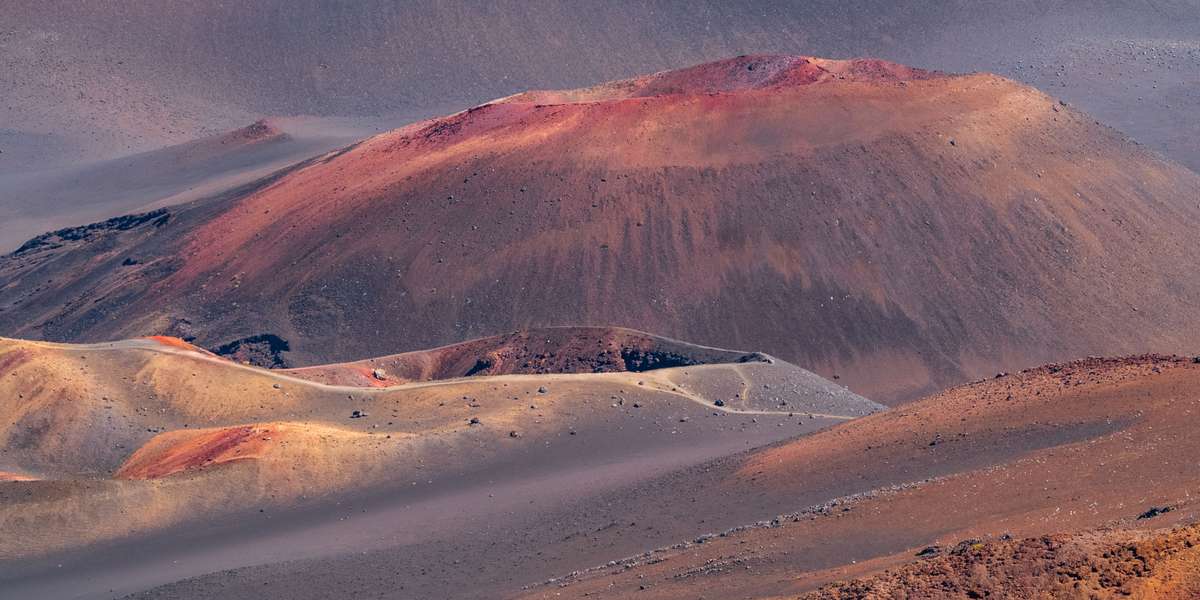
Light layers are the move. The beach is warm, but Haleakalā at sunrise is genuinely cold — we had one teammate in a sundress at the summit and she has not forgiven herself. Pack a real jacket or fleece for any volcano or mountain excursion. Otherwise: reef-safe sunscreen (required by law and actually important), a solid pair of water shoes for lava coastlines and rocky snorkel entries, and one outfit that's slightly nicer than a t-shirt for the restaurants worth going to. Leave the formal wear at home. Hawaii doesn't need it, and neither do you.
When is the best time to see whales in Hawaii?
January through March is peak humpback whale season around Maui, specifically the Maui Nui basin between Maui, Molokai, and Lanai. The whales come from Alaska to breed and give birth in the warm shallow waters, and the numbers are genuinely staggering — Hawaii's humpback population in peak season can exceed ten thousand animals. You can see them from the beach (they breach and slap their tails regularly enough that it's not unusual to spot one from your hotel room), or take a whale watching boat for a closer look. December arrivals sometimes catch early-season sightings. February and March are statistically the most active. It's one of the best free shows in nature, and it's a very good reason to be in Maui in winter specifically.