We arrived in George Town, Penang for the first time on a Tuesday afternoon, and the heat felt personal. The kind of heat that makes your camera strap stick to your neck and your judgment about 'just one more temple' deteriorate rapidly. Within twenty minutes of dropping our bags at a creaky colonial guesthouse on Armenian Street, we'd completely forgotten about the temperature, because the smell of char kway teow frying in a carbon-black wok three doors down had rearranged our priorities entirely.
George Town is one of those rare cities that rewards the curious and punishes the impatient. If you like things clean, obvious, and served with an information placard, this probably isn't your place. But if you're the kind of traveller who wants to turn a corner and not know what you'll find, a century-old clan house, a jaw-dropping mural, a coffee shop crammed into a 1920s shophouse with jazz playing at a respectful volume, then George Town might be the best city you've never properly considered.
The History You Can Actually Touch in George Town Penang
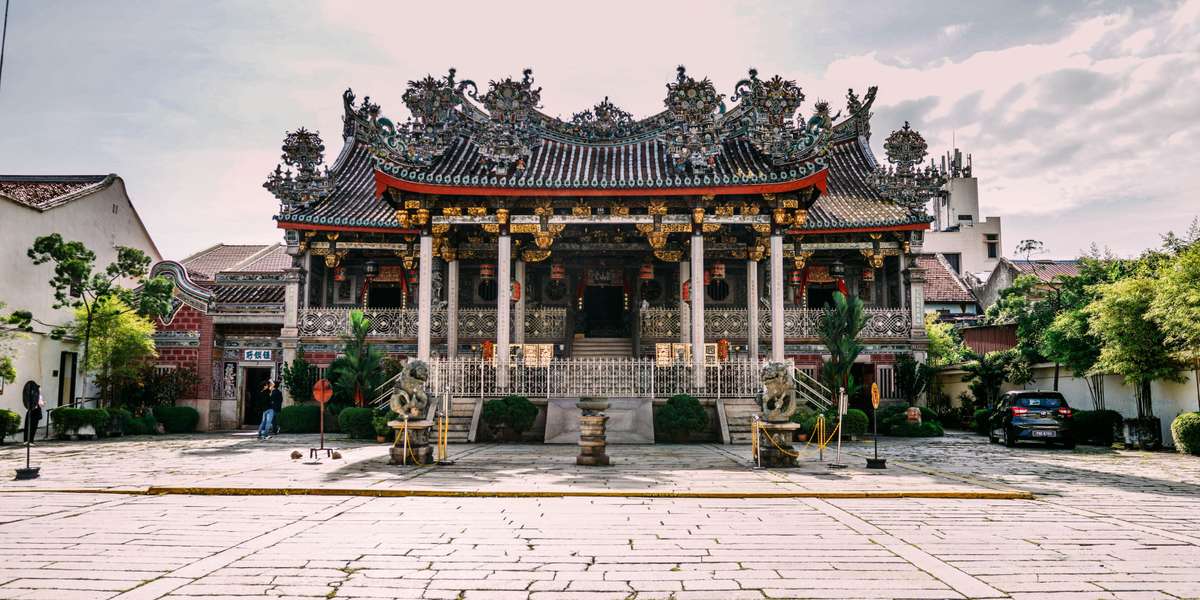
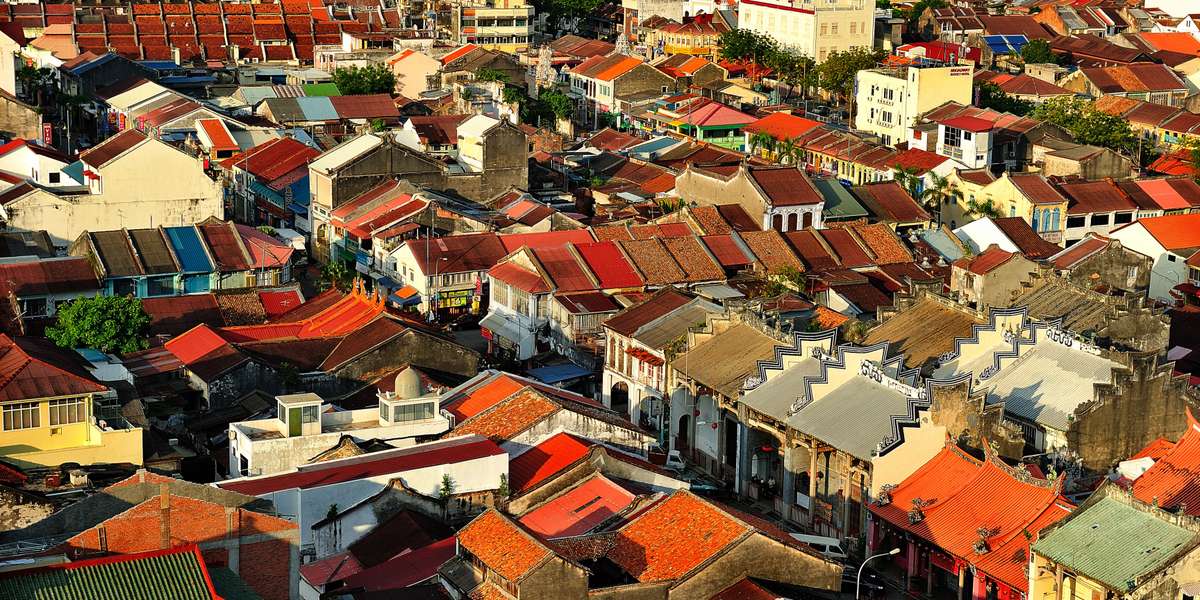
The history here isn't behind glass. It's what the city is made of. Over 500 years, George Town evolved from a modest Malay fishing settlement into one of Asia's most layered port cities. The British arrived, the Chinese came in waves, the Indians followed, and the result is a place where a Hindu temple, a mosque, a Buddhist hall, and an Anglican church can exist on the same block without anyone considering it remarkable. UNESCO certainly considered it remarkable. The organisation awarded George Town World Heritage Site status in 2008, and honestly, it was long overdue.
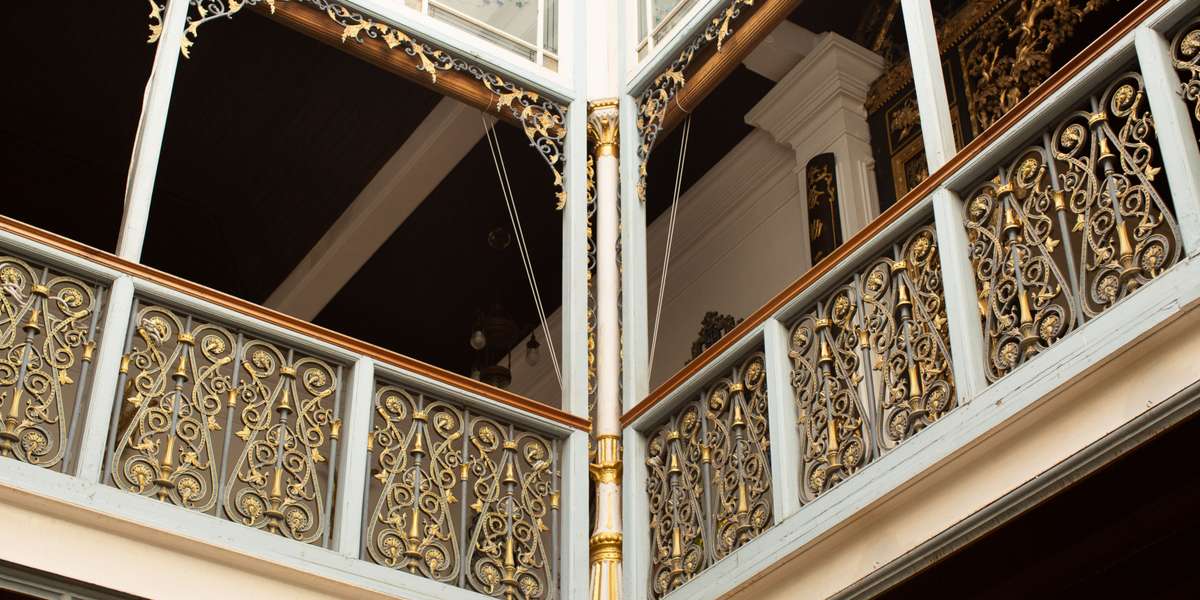
The city has approximately 12,000 pre-war buildings still standing. Twelve thousand. Walking through the core heritage zone, you'll pass British colonial facades with iron-lacework balconies, Chinese shophouses with five-foot walkways built specifically to shade pedestrians, and clan jetties that have been home to the same families for generations. The architecture alone is worth the flight. We spent three hours one morning just photographing doorways, which sounds insufferable until you see the doorways.
Frequently Asked Questions About George Town, Penang
Why should I visit George Town in Penang?
Because nowhere else in Southeast Asia stacks history, street art, and street food at this density and at this price. George Town is a UNESCO World Heritage Site with 12,000 pre-war buildings, murals that stop you mid-stride, and a food scene so serious that people book flights just to eat here. A Chinese shophouse, a Hindu temple, a colonial facade, and a mosque can all share one block. That combination is nearly impossible to find anywhere else.
What is George Town most famous for?
Three things, and all three are genuinely worth the trip:
Its UNESCO-listed heritage architecture, including 12,000 pre-war shophouses and colonial buildings
The street art murals, especially the work of Lithuanian artist Ernest Zacharevic, painted directly onto heritage walls since 2012
The street food, particularly Penang Char Kway Teow and Assam Laksa, which are considered the benchmarks by which the same dishes elsewhere are judged
When is the best time to visit George Town, Penang?
December through February is the most comfortable window. Temperatures sit around 28 to 32°C and humidity dips just enough to make walking tolerable. If you visit in July, you'll catch the George Town Festival, which fills the heritage zone with art installations, live performances, and cultural events. Avoid April and May if you're planning to do serious walking. The heat that month is not your friend.
How many days do you need in George Town?
Three full days is the minimum if you want to do it properly. One day for the heritage core and street art, one day for deep food and coffee exploration, and one day for Penang National Park or Penang Hill. Five days is the sweet spot. That's enough time to slow down, revisit the hawker stalls you loved, and actually let the city sink in rather than just tick it off.
Is George Town safe for solo travellers?
Your Key to Effortless Travel
Meet Travelfika
Planning a trip should be exciting, not exhausting—and that's where Travelfika comes in! With our smart AI-powered tools, insider tips, and seamless planning features, we make travel easier than ever.
Whether you're crafting the perfect itinerary, discovering hidden spots, or getting real-time recommendations, Travelfika has your back. No more endless research or last-minute stress—just smooth, effortless travel planning tailored to you. So go ahead, dream big, explore more, and let Travelfika handle Read More
Planning a trip should be exciting, not exhausting—and that's where Travelfika comes in! With our smart AI-powered tools, insider tips, and seamless planning features, we make travel easier than ever.
Whether you're crafting the perfect itinerary, discovering hidden spots, or getting real-time recommendations, Travelfika has your back. No more endless research—just smooth, effortless travel planning tailored to you.Read More
Planning a trip should be exciting, not exhausting—and that's where Travelfika comes in! With our smart AI-powered tools, insider tips, and seamless planning features, we make travel easier than ever.
Whether you're crafting the perfect itinerary, discovering hidden spots, or getting real-time recommendations, Travelfika has your back.Read More
Planning a trip should be exciting, not exhausting—and that's where Travelfika comes in! With our smart AI-powered tools, insider tips, and seamless planning features, we make travel easier than ever. Read More
Planning a trip should be exciting, not exhausting— and that's where Travelfika comes in! With our smart AI-powered tools, insider tips, and seamless planning features. Read More
The Street Art Scene That Grew Out of a UNESCO Designation
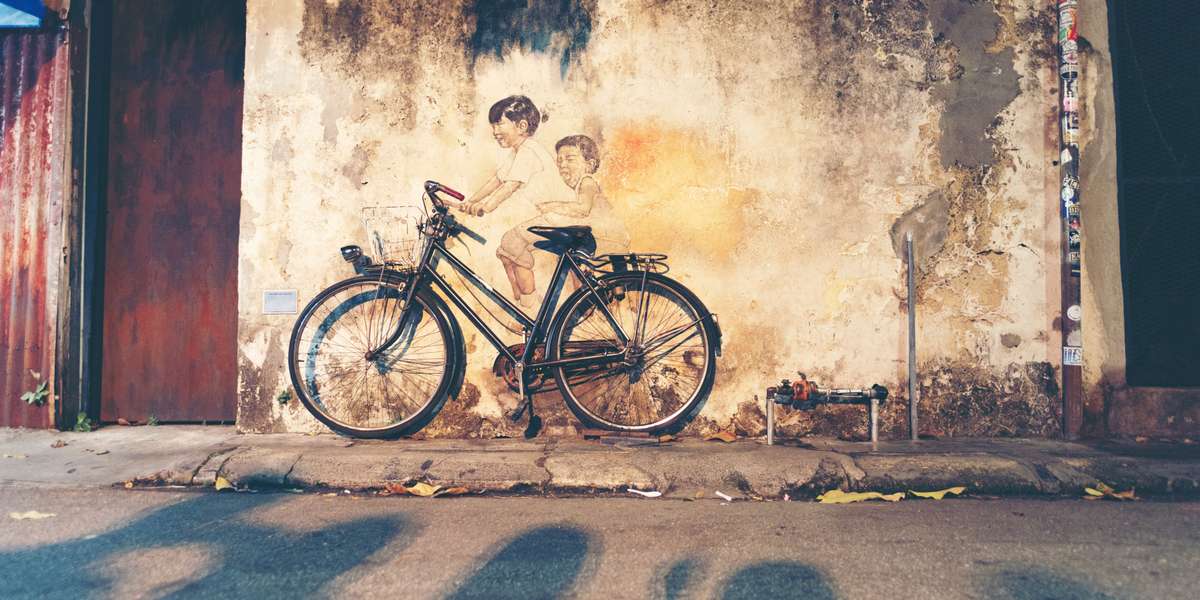
George Town's street art scene didn't exist before the Heritage Site designation, and now it's one of the most photographed collections of outdoor art in Southeast Asia. It started in 2012 when Lithuanian artist Ernest Zacharevic was commissioned to paint murals on the walls of the old quarter. His work, kids riding bicycles, a boy balanced on a chair, a girl on a swing, is painted directly onto the crumbling plaster of heritage buildings, and the effect is striking in a way that Instagram genuinely cannot do justice to. You have to stand in front of them.
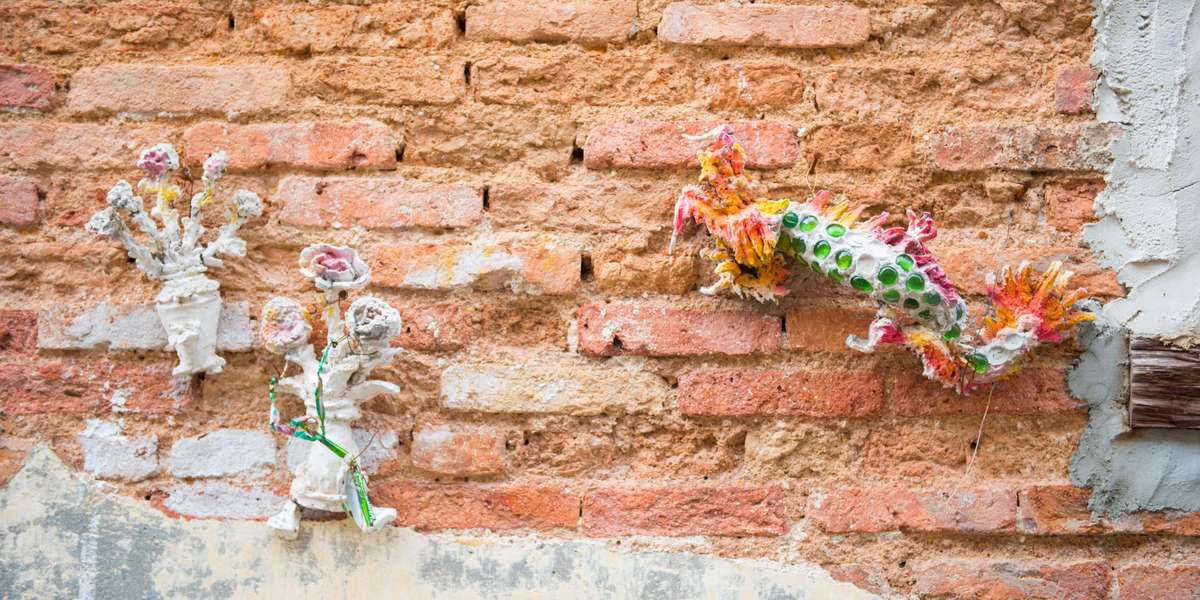
Since then, artists including Julia Volchkova have added their own pieces, and the Lebuh Acheh historical enclave in particular reads like an open-air gallery that also happens to be a functioning neighbourhood. There are steel rod sculptures, interactive installations, and murals that tell the story of the city's Chinese, Malay, Indian, and European communities in ways that no museum exhibit ever quite manages.
Do yourself a favour and hire a local guide for the street art walk. We are not usually people who join tours. The group dynamic, the waiting, the person who asks seventeen questions. But we'll make an exception here. A good local guide in George Town doesn't just point at paintings. They'll walk you down alleys that aren't on any map, explain the cultural references embedded in the artwork, and then, almost accidentally, take you to a Nasi Kandar spot that serves the best curry you'll eat in Malaysia. Our guide, a quietly hilarious man named Rafiq, made us stand in front of one particular mural for ten minutes explaining the layers of political subtext. We thought he was overdoing it. He was not.
The Coffee Situation Is Out of Control, in the Best Way
Somewhere around 2015, the artsy energy spilling out of the street art scene found its way into the food and drink scene, and the result is a coffee culture that gives specialty roasters in London or Melbourne a legitimate run. You'll find espresso bars tucked into 1930s shophouses where the exposed brick still smells faintly of the spice merchants who worked there a century ago. You'll find third-wave pour-over cafes where the baristas talk about single-origin beans with the intensity of sommeliers. And then, two streets away, you'll find a traditional Kedai Kopi serving Ipoh White Coffee in a glass, condensed milk swirling through it like smoke, for less than the cost of a bus fare. We drank both. We have no regrets.
The Real Reason Everyone Flies to George Town: The Food
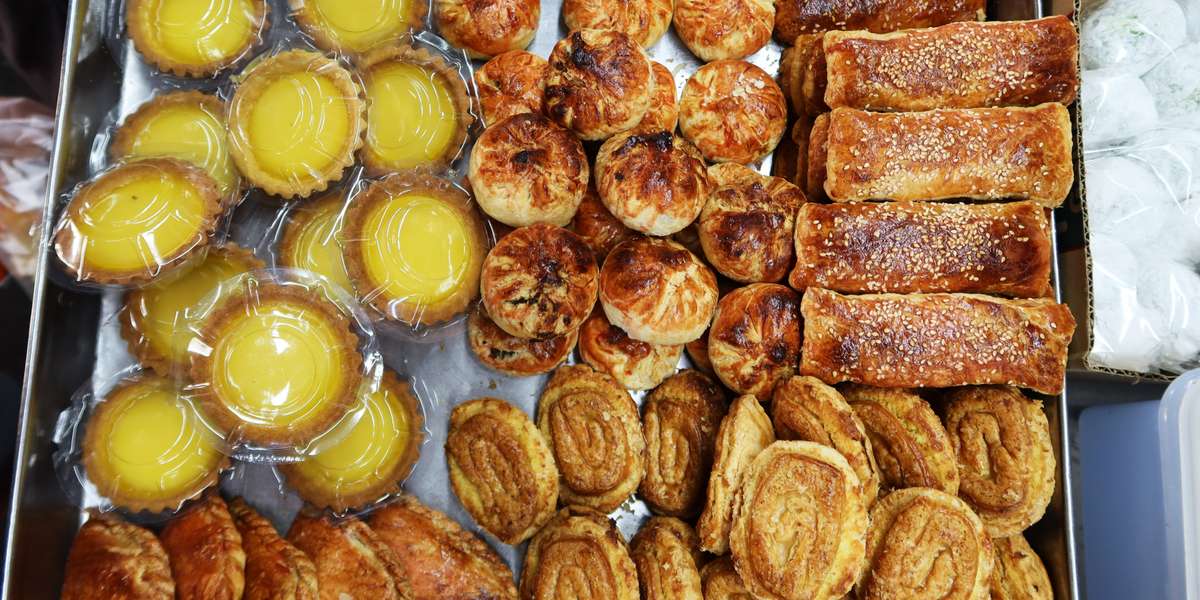
Penang has a legitimate claim to being the street food capital of Malaysia, and George Town is where that claim is most loudly made. The first time one of our team tasted Assam Laksa here, that sour, tamarind-fish broth with thick noodles and a hit of shrimp paste, they went back for a second bowl immediately. Not eventually. Immediately. The Char Kway Teow is smoky and slightly charred and arrives in a way that makes you understand why people fly to Penang specifically to eat it. The Cendol, shaved ice with coconut milk, palm sugar syrup, and green rice flour jelly, is the correct response to an afternoon of walking in 33-degree heat.
The hygiene standards at George Town's street food stalls have improved dramatically in recent years, and the variety is staggering. Popiah fresh rolls, Pasembur salad drenched in sweet potato sauce, Nasi Kandar piled with curries that stain your fingers yellow. We once spent four hours eating our way down one street. We consider this time well spent.
Little India at Dusk Is One of Those Moments You Don't Plan For
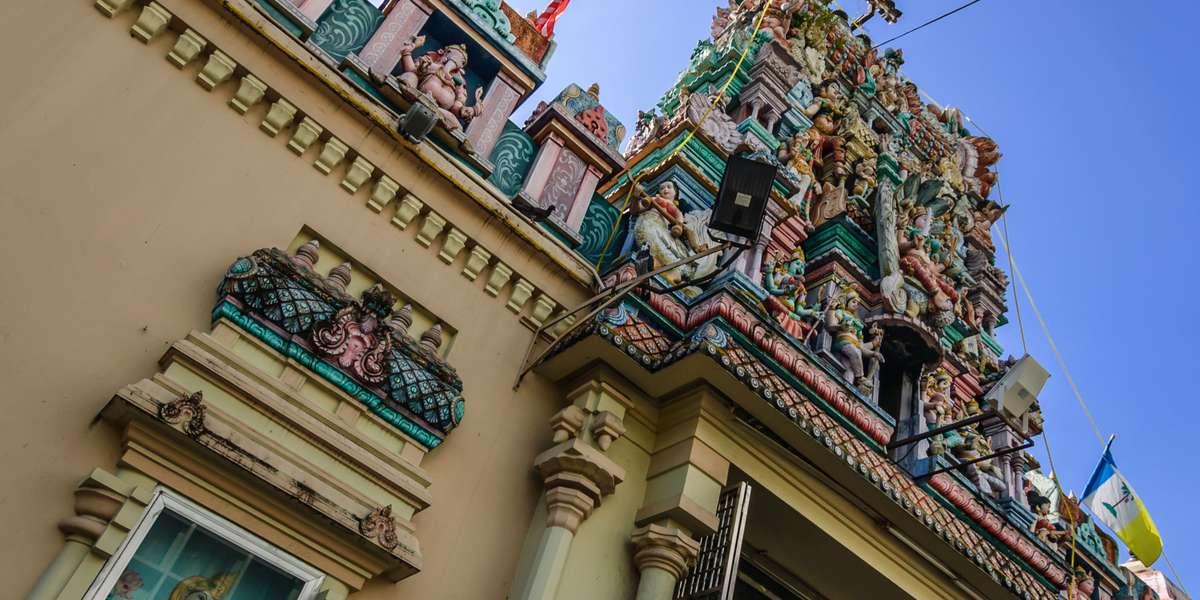
George Town's Little India sits within the heritage core and is one of the most sensory-overloading neighbourhoods we've ever walked through, and we mean that as pure praise. The street smells of jasmine garlands and cumin and something sweet we've never been able to identify. The sari shops spill bolts of silk and georgette onto the pavement in colours that make your eyes adjust. There are Hindu temples tucked between grocery stores selling fresh curry leaves and tamarind paste by the kilo. In the evening, the whole neighbourhood is strung with coloured lights, and the sound of devotional music mixes with the clatter of a nearby restaurant kitchen. We sat on a plastic chair outside a banana-leaf rice place at 7pm and ate until conversation became physically difficult. It was perfect.
Shopping in George Town Operates on Its Own Logic
Forget the mall for a moment, though Komtar, sitting on the edge of the old town, has five levels of everything from local brands to international names if you genuinely need retail therapy. The more interesting shopping is in the heritage zone itself: boutiques selling batik and pewter goods from inside former shophouses, galleries showing local contemporary art, quirky design stores run by young Penangites who clearly love what they do. You will buy something you didn't plan to buy. This is simply what happens.
Where You Sleep Is Part of the Experience
The city has no shortage of hotels, from efficient business-class properties to budget hostels where you'll meet travellers who've been on the road so long they've lost track of the year. But if you want to actually feel George Town rather than just be near it, look for a room in a restored heritage building. We stayed in one, a former clan association hall repurposed into a guesthouse, and the experience of lying under a ceiling fan in a room with four-metre teak beams, listening to the neighbourhood settle into its evening rhythms through slatted wooden shutters, is genuinely difficult to replicate at a chain hotel. The creaky floorboards will wake you at 3am when someone else uses the bathroom. This is part of it.
When You Need Air, Jungle, and the Sound of the Sea: Penang National Park
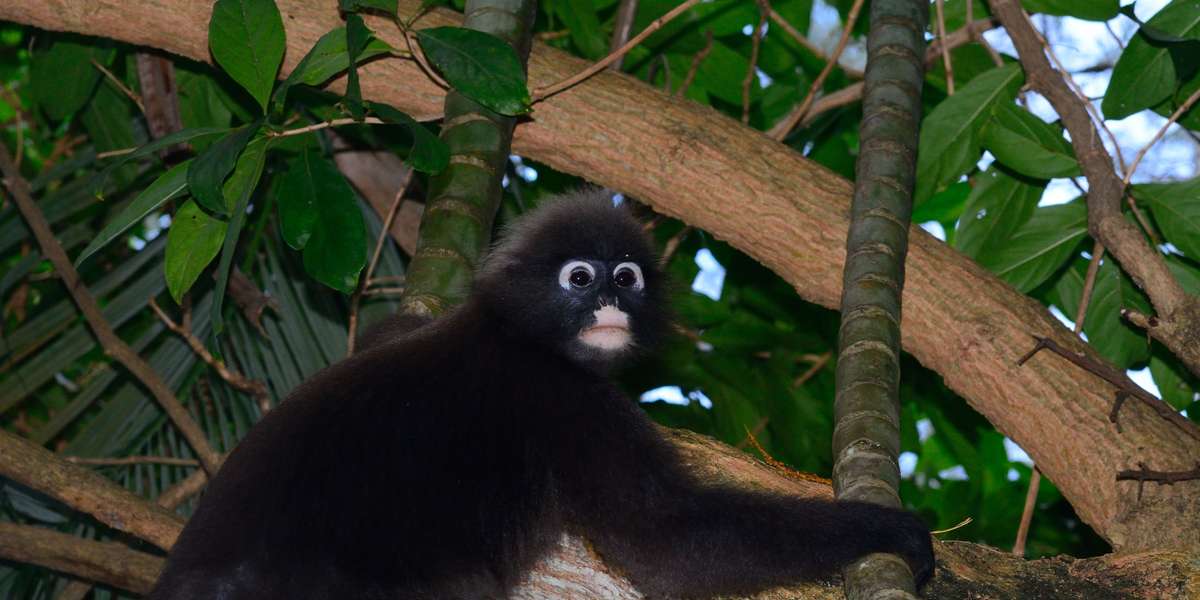
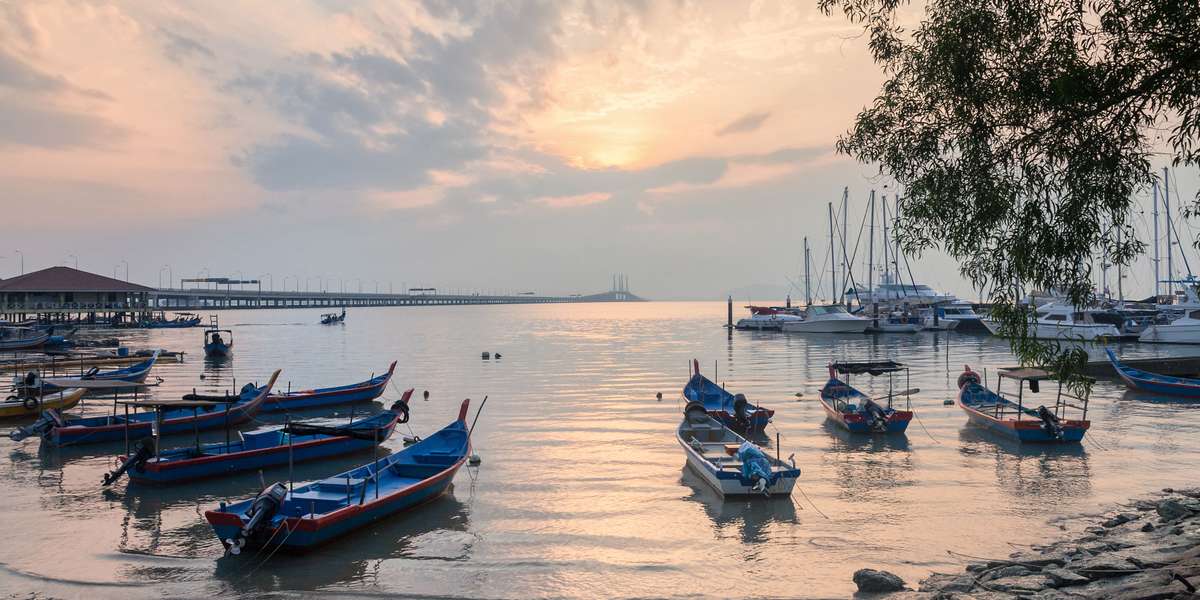
About 90 minutes from the old town by bus, then a short boat ride or a solid jungle trek depending on your energy levels and how much Char Kway Teow you've eaten, sits Malaysia's smallest national park. Don't let the 'smallest' part fool you. The trail to Monkey Beach cuts through proper rainforest, humid and green and loud with insects, and the beach at the end of it is the kind of place that makes you briefly consider abandoning your life and staying. Turtle Beach is quieter still. We took the boat back, sunburned and satisfied, and slept for the entire bus ride to town.
Go Now. We're Serious About the 'Now' Part.
George Town right now sits at a rare and fragile point: famous enough that the infrastructure works, the food scene is strong, the guided tours are excellent, the guesthouses are well-run, but not so overrun that the streets feel performative. The locals still use the hawker centres we use. The coffee shops still have room to sit. The murals still have stretches where you can stand in front of them without negotiating around a tour group.
That won't last forever. Cities like this don't stay still. Which is not a reason to feel sad about it. It's a reason to book the flight, eat the laksa, get lost in Lebuh Acheh at golden hour, and let George Town do what it does best: make you feel like you've found somewhere real.
Yes, including for solo women travellers. The heritage core is walkable, well-populated through the day, and well-lit at night. Street harassment is minimal. The biggest risk, and we say this with complete sincerity, is overeating.
What is the best street food to try in George Town?
Assam Laksa: sour tamarind-fish broth with thick noodles, not for the timid
Cendol: shaved ice, coconut milk, palm sugar syrup. Mandatory after any afternoon walk
Nasi Kandar: rice piled with rotating curries at a proper Indian Muslim restaurant
Pasembur and Popiah: excellent walking snacks
Where can I see street art in George Town?
The highest concentration is in the historic core, particularly around Armenian Street, Lebuh Acheh, and the surrounding lanes. Ernest Zacharevic's murals are the most photographed, but there are hundreds of smaller pieces scattered throughout the heritage zone. A guided street art tour is genuinely worth the cost. A good local guide finds pieces you'd walk straight past and gives you context that makes the art land completely differently.
Is George Town worth visiting for a day trip from Kuala Lumpur?
A day trip is better than nothing, but George Town will feel like an unfinished sentence if you only give it one day. The flight from KL takes about an hour, and the overnight train is a solid option too. If a day trip is truly all you have, concentrate on the heritage core: Armenian Street, Lebuh Acheh, the clan jetties, and one long, unhurried lunch at a hawker centre. Then start planning the return trip.